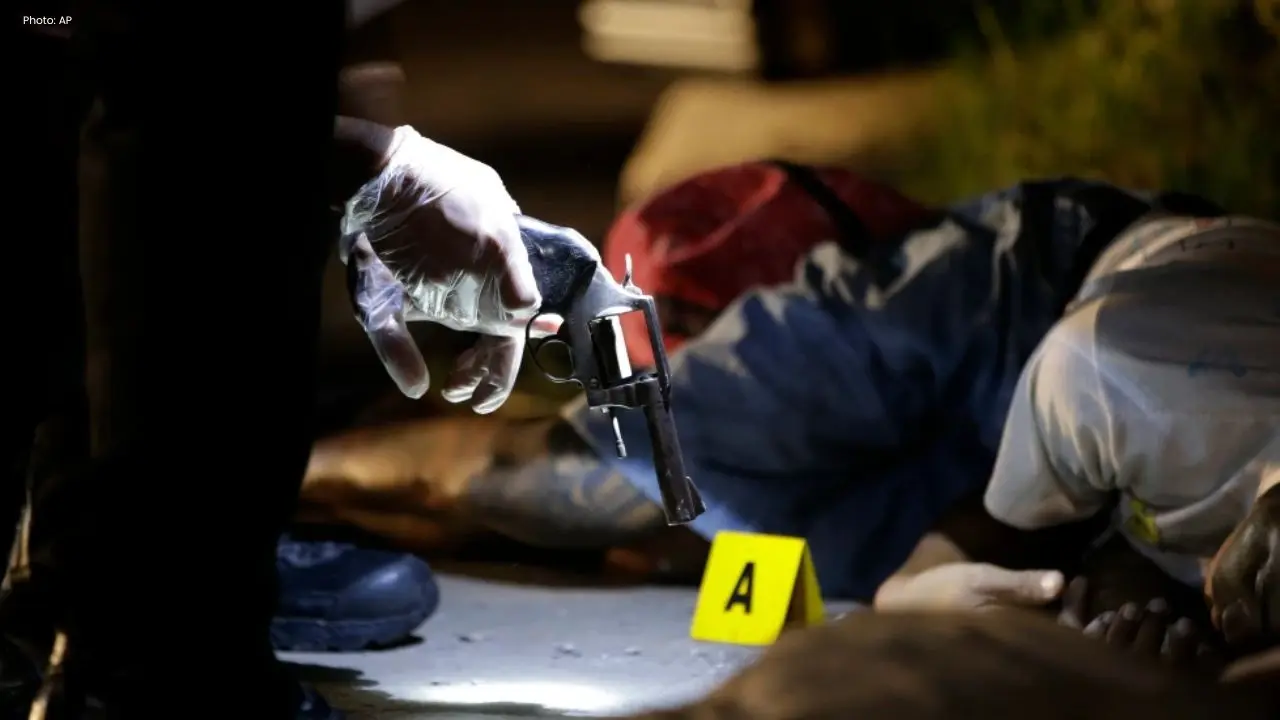
In a significant move, the Philippine government has initiated a fresh investigation into alleged extrajudicial killings associated with former President Rodrigo Duterte's contentious anti-drug initiatives. Interior Secretary Juanito Victor Remulla Jr. announced that former national police chief Ronald dela Rosa will be called for questioning as part of the probe. This represents a crucial step in addressing the thousands of fatalities recorded during the anti-drug campaign.
These killings occurred both during Duterte’s tenure as mayor of Davao City and later after he assumed the presidency in 2016. Numerous human rights organizations and international entities have criticized the anti-drug operations for reportedly leading to the deaths of many individuals without legal due process. Most victims were impoverished individuals alleged to be connected to illegal drug activities. Despite this, Philippine authorities have continually defended the operations, asserting that police acted out of self-defense during their raids and arrests.
Ronald dela Rosa, a key figure in Duterte's anti-drug initiative, previously served as the police chief of Davao City before taking on the national role and is recognized as one of Duterte's closest supporters. He currently holds a position as senator in the Philippines. Officials indicate that he is being summoned to clarify the actions of police leadership during the anti-drug crackdown, amidst earlier reports suggesting that dela Rosa could face possible arrest linked to the International Criminal Court's investigations.
Duterte himself was detained in March 2025 and sent to the Netherlands, facing proceedings at the International Criminal Court for alleged crimes against humanity. The ICC’s inquiry spotlights thousands of killings tied to the anti-drug campaign. Both Duterte and former police officials have staunchly denied any orders for unlawful killings, maintaining that law enforcement targeted highly dangerous criminal suspects.
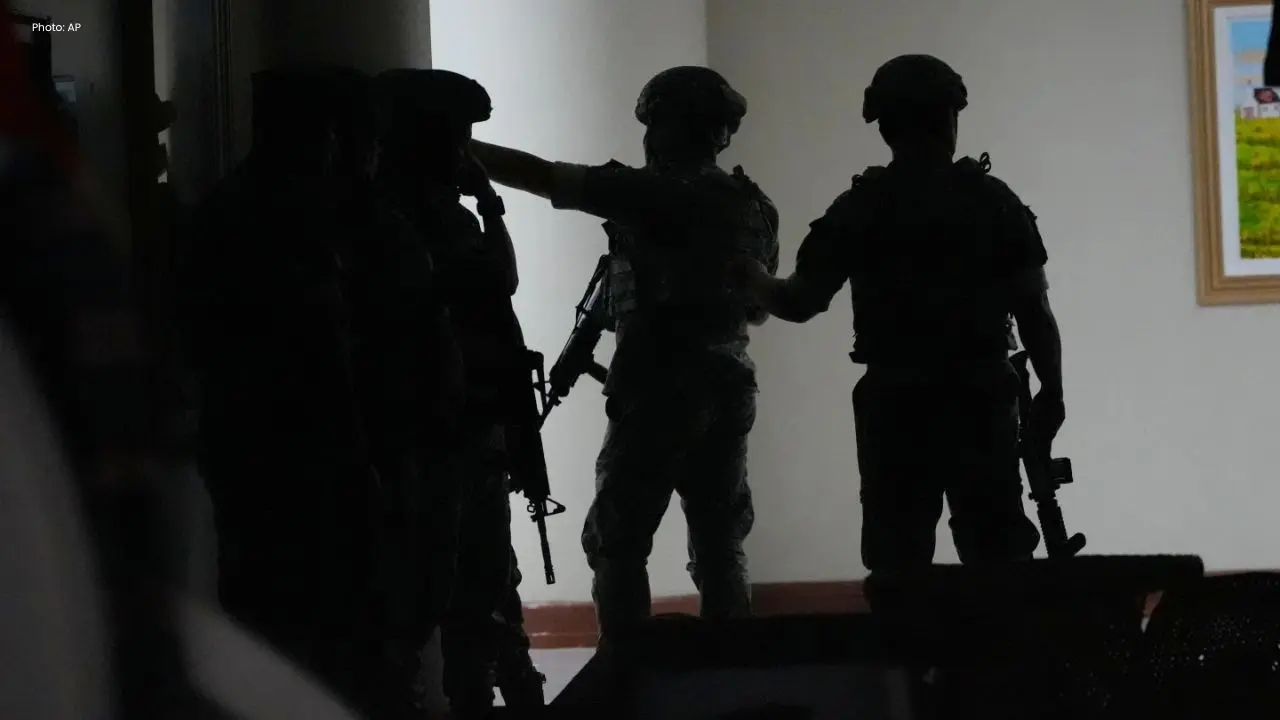
The Philippine government clarified that this investigation is distinct from the ICC proceedings. Interior Secretary Remulla expressed that the objective is to ascertain accountability for what he termed one of the most troubling periods in the nation’s contemporary history. He indicated a desire to evaluate the contributions of senior police officers and whether governmental policies inadvertently promoted illegal conduct during the anti-drug operations. Authorities have also heightened security measures at airports, seaports, and other exit points nationwide as the inquiry progresses.
A congressional investigation in 2024 had already suggested criminal charges against Duterte and several police officials in connection with the anti-drug operations. Human rights advocates have welcomed this new inquiry, viewing it as a pivotal move towards justice for the victims' families. Political analysts anticipate that this investigation may hold significant implications for Philippine politics, particularly as many of Duterte’s supporters remain powerful.
This investigation is anticipated to draw international scrutiny, as the Philippines faces persistent global concern regarding its human rights stance. While Duterte's supporters argue that the anti-drug campaign successfully curtailed crime and restored order, opponents assert that the operations instilled widespread fear and undermined the rule of law. The weeks ahead promise further legal and political developments as authorities continue to interrogate former officials linked to the controversial campaign.