Iran has confirmed that talks with the United States are progressing, yet a conclusive agreement has not been achieved. This statement emerges at a time of escalating regional tensions and growing global concern about the future dynamics between Tehran and Washington.
Officials from Iran emphasized that communication lines remain open as diplomatic negotiations advance. However, significant disagreements persist between both parties, showcasing the complexity of addressing regional security, sanctions, and nuclear matters.
Global interest has surged following developments in Iran-U.S. relations, which have been tumultuous for years. Political divides, economic sanctions, military confrontations, and nuclear issues have repeatedly shaken stability in the Middle East.
Iranian officials have reiterated that they favor diplomatic solutions to disputes. Ongoing discussions involve both direct and indirect interactions facilitated by international mediators and regional stakeholders. Nevertheless, neither government has announced any groundbreaking progress.
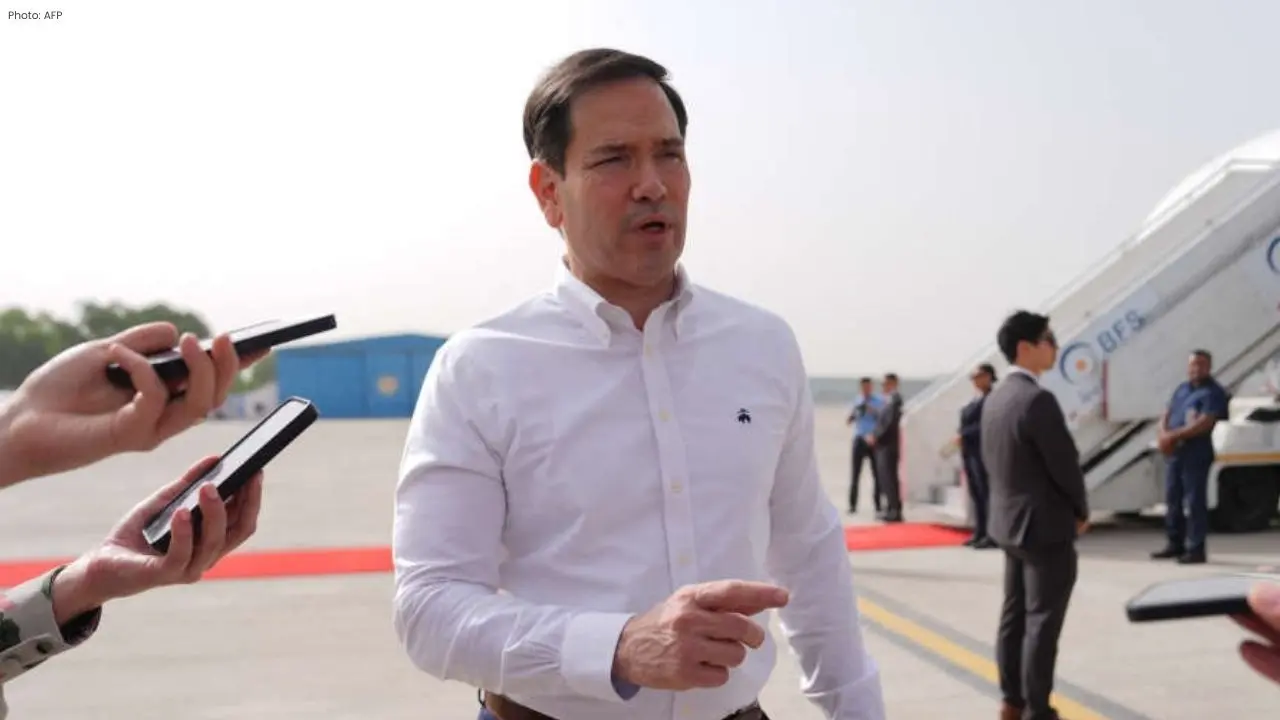
The United States has also shown openness to continued diplomatic efforts while maintaining pressure on Iran regarding nuclear activities and matters of regional security. American policymakers view ongoing negotiations as vital to preventing further escalation and ensuring regional stability.
Over the decades, U.S.-Iran relations have faced numerous challenges, especially following the U.S. withdrawal from the 2015 nuclear agreement known as the Joint Comprehensive Plan of Action, which sought to constrain Iran’s nuclear ambitions in exchange for the easing of sanctions.
With the U.S. exit from the agreement, sanctions against Iran intensified, severely straining its economy. In reaction, Iran began scaling back its commitments under the nuclear deal. Efforts to bridge gaps have led to several rounds of negotiations aimed at reinstating mutual understanding between the two nations.
Ongoing conflicts in the region have further hindered diplomatic progress. Clashes throughout the Middle East, including issues involving Iran-backed militant groups, have raised alarm among Western nations and neighboring countries. Security experts caution that a failure in these talks might heighten the risk of broader conflicts.
Iran continues to assert that its nuclear endeavors are primarily peaceful, aimed at energy production and civilian use. However, Western countries remain wary of uranium enrichment levels and the potential for military applications. These unresolved issues contribute significantly to the negotiation barriers.
Economic sanctions also play a crucial role in Iran's situation. Limitations on trade, banking, oil exports, and investment have led to rising inflation and other economic difficulties for the Iranian populace. Leaders in Iran persist in seeking sanctions relief as a precondition for any forthcoming agreements.
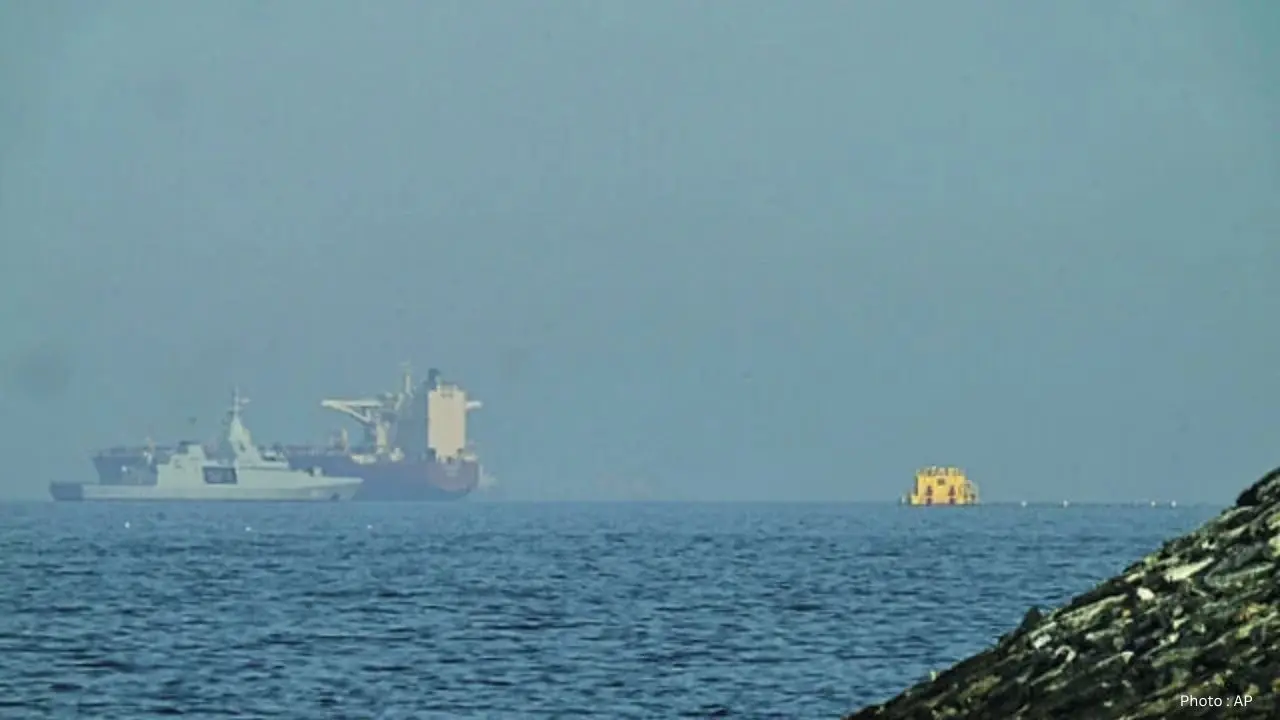
Neighboring countries are closely observing the ongoing discussions, recognizing that U.S.-Iran relations could significantly influence oil markets, shipping routes, energy prices, and overall regional security.
International analysts suggest both nations are intent on avoiding direct military conflict while simultaneously securing their political interests. Therefore, maintaining diplomatic efforts remains essential, even when advancements seem slow or uncertain.
Political observers note that talks between Iran and the U.S. are intricate due to their multitude of intertwined issues. Apart from nuclear discussions, negotiations may also encompass prisoner exchanges, regional conflicts, economic sanctions, and military activities.
Domestic opinion in both Iran and the U.S. also shapes diplomatic strategies. Leaders are under pressure from various factions that hold differing views on negotiations and foreign policy, with some advocating for compromise while others insist on a stringent approach.
The recent remarks from Tehran indicate that channels of communication are still operating, even amidst lingering conflicts. Keeping these diplomatic avenues open is often seen as crucial for reducing misunderstandings and averting sudden escalations.
However, uncertainty clouds the discussions' potential outcomes. A timeline for a potential agreement remains absent, as officials from both sides exercise caution in their statements about progress.
For the Middle East, whether diplomacy between Iran and the U.S. succeeds or fails could have far-reaching implications. Strengthened relations could alleviate tensions and foster economic stability, while any breakdown in dialogue might worsen regional insecurities.
As negotiations progress, the global community's attention remains focused on whether diplomacy can yield a durable agreement palatable to both Tehran and Washington. For now, uncertainty continues to characterize the broader political landscape in the region.