Following their evacuation from the hantavirus-affected cruise ship MV Hondius, passengers are currently entering a crucial phase of quarantine and medical assessments in the Canary Islands. Health authorities across the United States, Canada, and other nations are diligently monitoring these travelers for any potential exposure to the Andes strain of hantavirus, which has already resulted in confirmed cases and fatalities, raising alarms among public health officials worldwide.
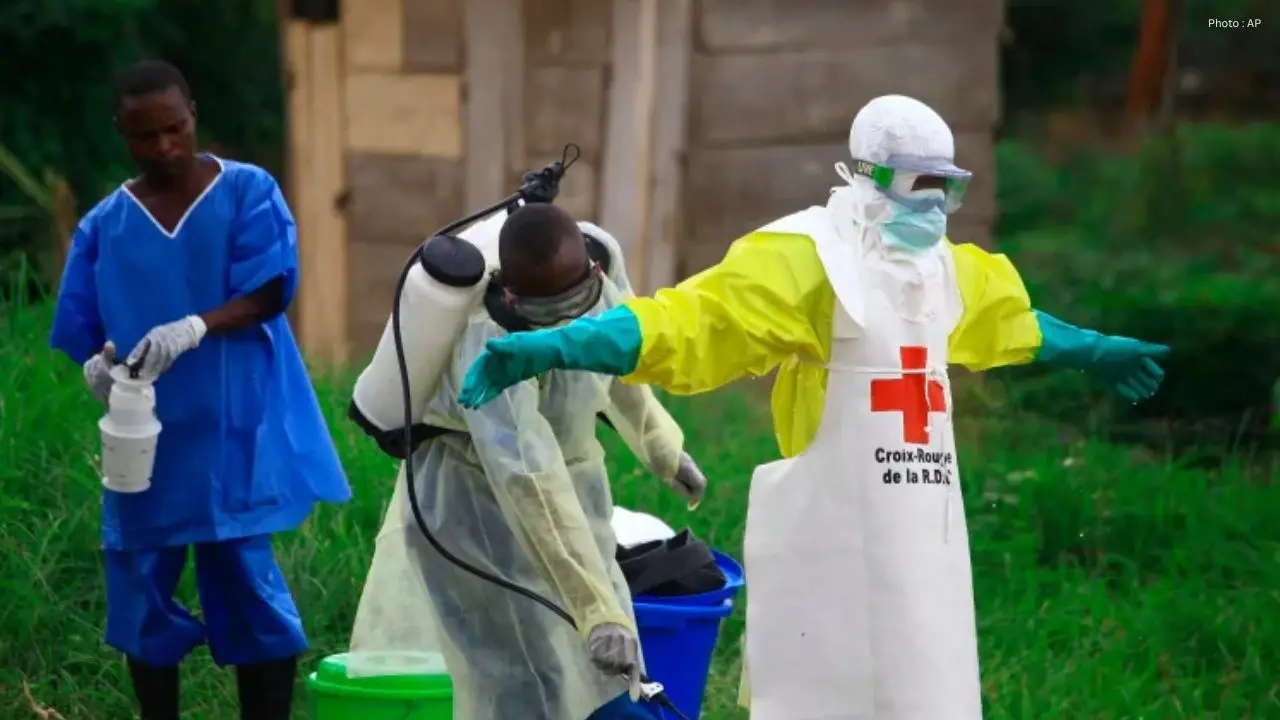
U.S. officials report that passengers evacuated from the ship are being taken to specialized medical facilities for rigorous monitoring and testing. The University of Nebraska Medical Center has been designated as one of the observation sites, where experts are managing symptoms and conducting detailed evaluations. It is estimated that some individuals may be required to remain under medical watch for up to 42 days due to the lengthy incubation period associated with the Andes virus strain.
On their return to Canada, evacuated passengers will also face stringent monitoring protocols. Reports indicate these individuals will undergo a minimum 21-day isolation period, paired with daily health assessments for common symptoms like fever, respiratory issues, fatigue, and muscle aches. Canadian health authorities are working in tandem with international agencies to trace potential exposures and mitigate the chances of further infections.
Medical professionals emphasize that the upcoming weeks are critical since hantavirus symptoms may develop gradually, resembling typical viral infections. Passengers and anyone in close contact are encouraged to seek immediate medical help if they experience respiratory complications or severe flu-like symptoms, with early treatments significantly enhancing recovery prospects in severe cases involving lung issues.
The outbreak has garnered worldwide attention, especially since the Andes virus is the only known hantavirus strain that exhibits limited human-to-human transmission. While the World Health Organization has classified the general public threat as low, international contact tracing efforts are being maintained across various countries. This includes careful monitoring of passengers, flight contacts, and cruise staff who may have come into contact with those infected.
Investigators are also focused on understanding how the outbreak originated on the cruise ship. Preliminary investigations suggest possible prior exposure before boarding or during travel in regions of Argentina and Chile, where hantavirus cases are prevalent. Nonetheless, officials are further inspecting if any conditions onboard, such as storage systems or rodent contamination, may have contributed to the infections during the cruise.
Passengers now face a period of uncertainty as medical teams continue their testing and observation. Many of these individuals have been kept separate from their families and are under controlled isolation to mitigate the risk of any potential spread. Governments across several nations are anticipated to provide ongoing updates as laboratory results and monitoring efforts progress.
Health experts have stated that while this outbreak is not classified as a COVID-19-style emergency, the need for rigorous monitoring remains essential due to the high fatality rate associated with severe cases of the virus. Authorities emphasize the importance of cross-country cooperation until all individuals potentially exposed conclude their quarantines and medical assessments.