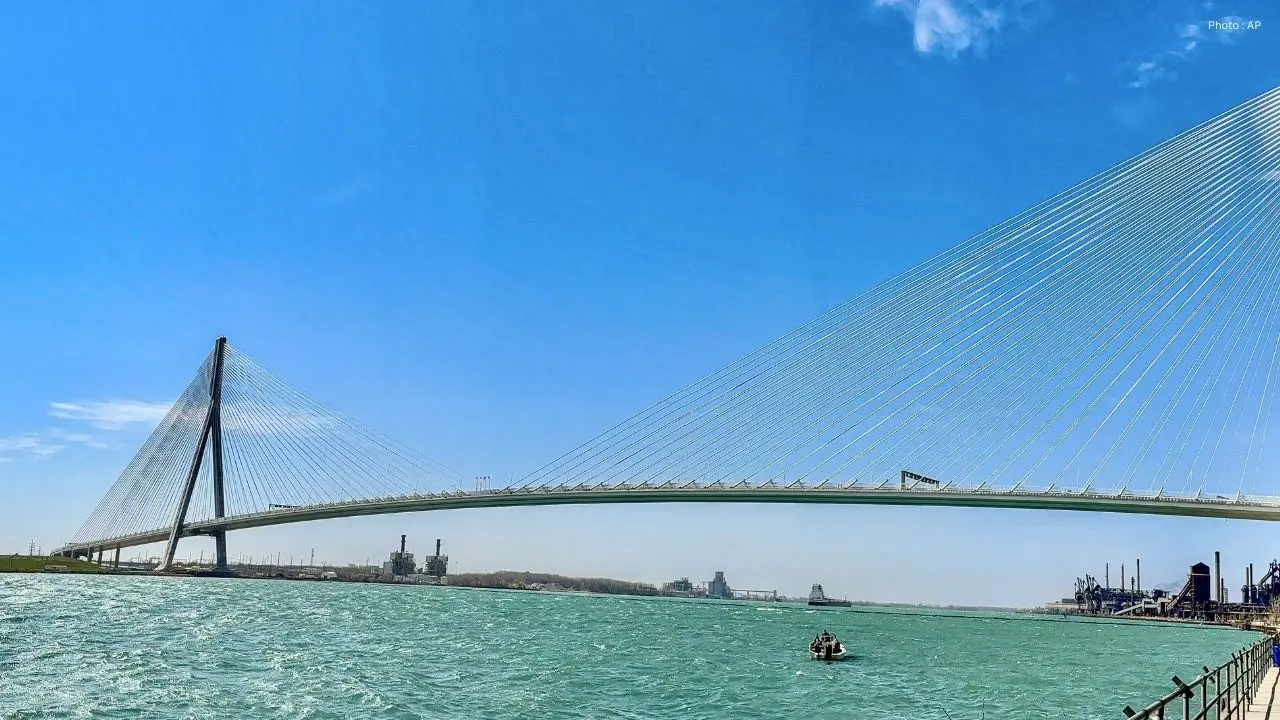
During a recent media briefing, the White House highlighted “longstanding unfair trade practices” in response to inquiries regarding the imminent launch of the Gordie Howe International Bridge, which links Canada and the United States. This perspective introduces a political and economic layer to what has predominantly been seen as a significant infrastructure initiative aimed at enhancing connectivity between the nations.
The Gordie Howe International Bridge stands as one of the largest cross-border infrastructure endeavors in North America. It will connect Windsor, Ontario, with Detroit, Michigan, aiming to boost trade, transportation efficiency, and overall traffic management across the border. Officials from both countries tout this project as a pivotal economic asset that could enhance supply chains and elevate commercial interactions in the region.
In a White House press conference, reporters posed questions regarding whether the bridge's opening signifies a beneficial phase for economic collaboration between Canada and the U.S. A spokesperson acknowledged the administration's commitment to robust trade relations with Canada, while simultaneously voicing concerns about “longstanding unfair trade practices” impacting American industries and employment. Although officials did not link the bridge to specific trade disputes, these comments swiftly garnered political interest in both nations.
Analysts suggest that these White House observations may reflect broader tensions surrounding issues like softwood lumber, electric vehicle regulations, agricultural imports, manufacturing rivalries, and industrial subsidies. Canada and the U.S. are each other's primary trading partners; however, disputes regarding trade laws and market access persist even amidst close diplomatic ties. Experts note that as the bridge opens, both nations are also navigating ways to support domestic industries while facing economic uncertainties.
Canadian officials continue to position the Gordie Howe Bridge as a beacon of collaboration and mutual economic prosperity. Government spokespersons assert that the bridge is set to enhance border efficiency, alleviate congestion at older crossings, and facilitate billions in annual trade. This route is particularly crucial for the North American auto sector, heavily reliant on seamless transit between Ontario and Michigan manufacturing hubs.
Construction has progressed over several years with substantial investments from the Canadian government. Once operational, the Gordie Howe Bridge is anticipated to be one of North America's busiest commercial border crossings. Officials report that final touches, customs infrastructure, and roadway links are moving ahead according to schedule for the anticipated opening.
Political analysts believe the White House’s statements might underscore the overarching significance of trade policy in North American political dialogues as future elections and economic discussions loom. While support for the bridge remains strong, experts project that trade disagreements between Canada and the U.S. are likely to persist, even as both countries pursue increased infrastructure cooperation and cross-border economic ties.