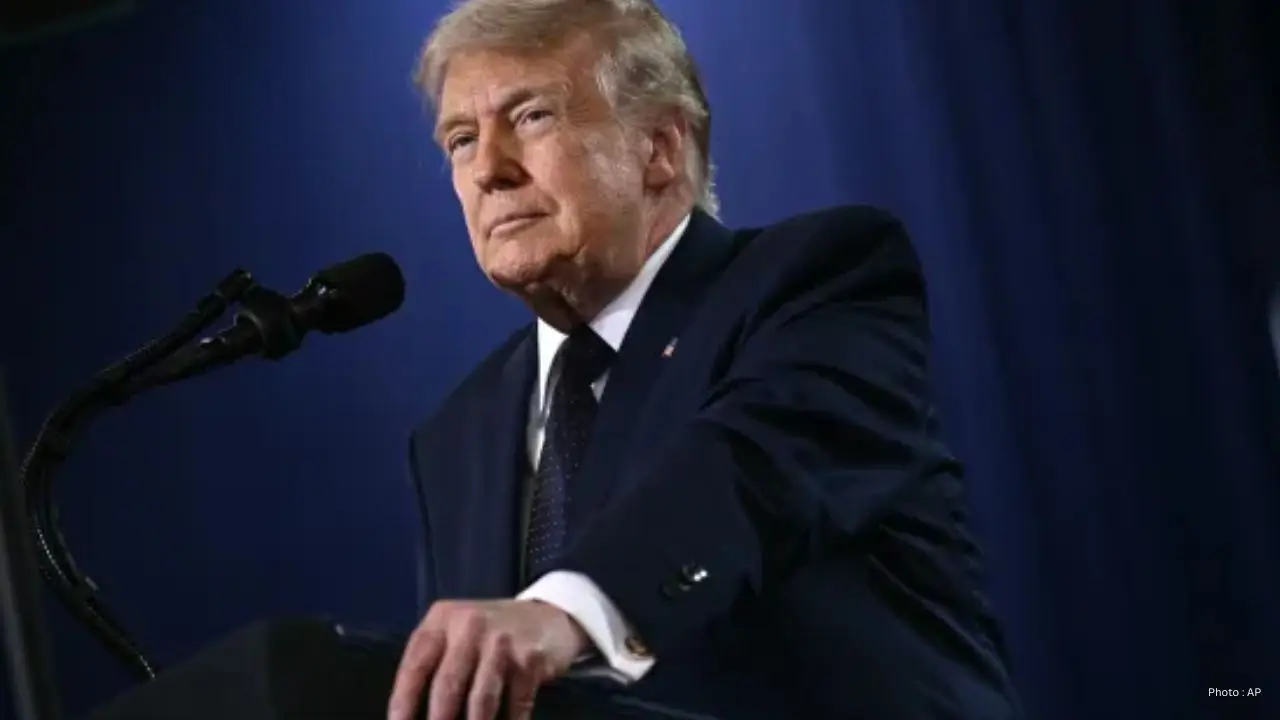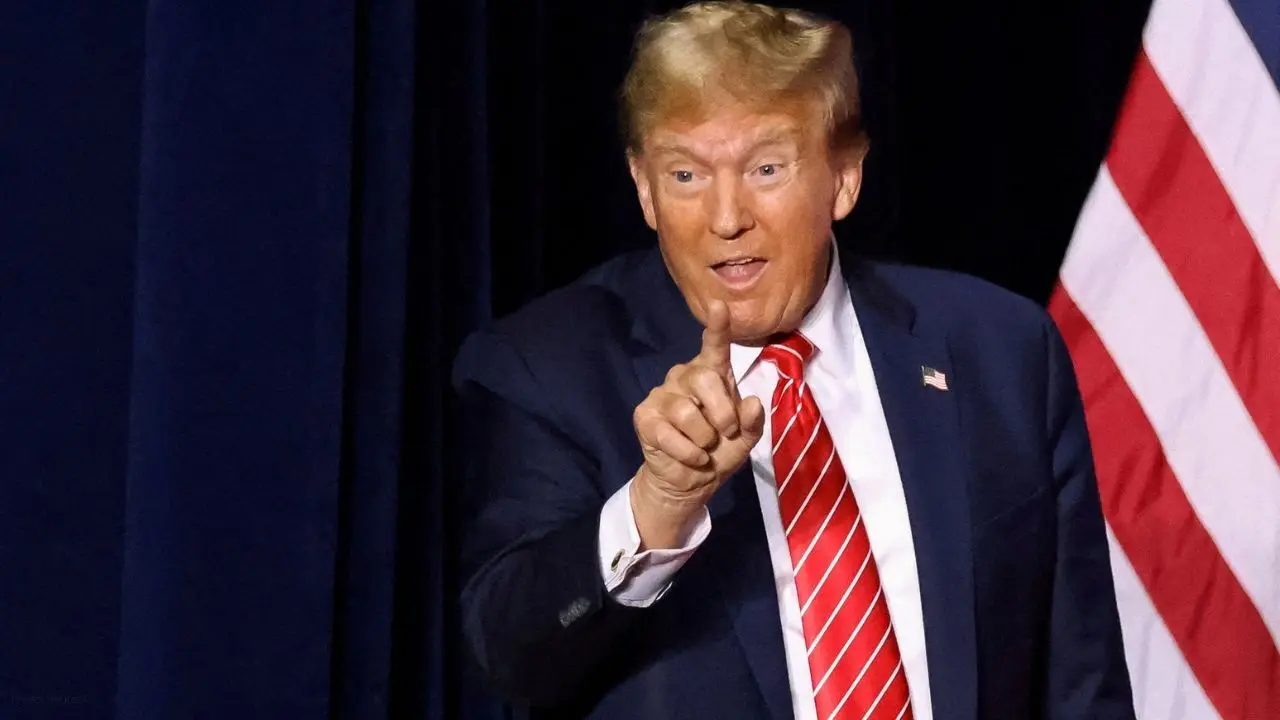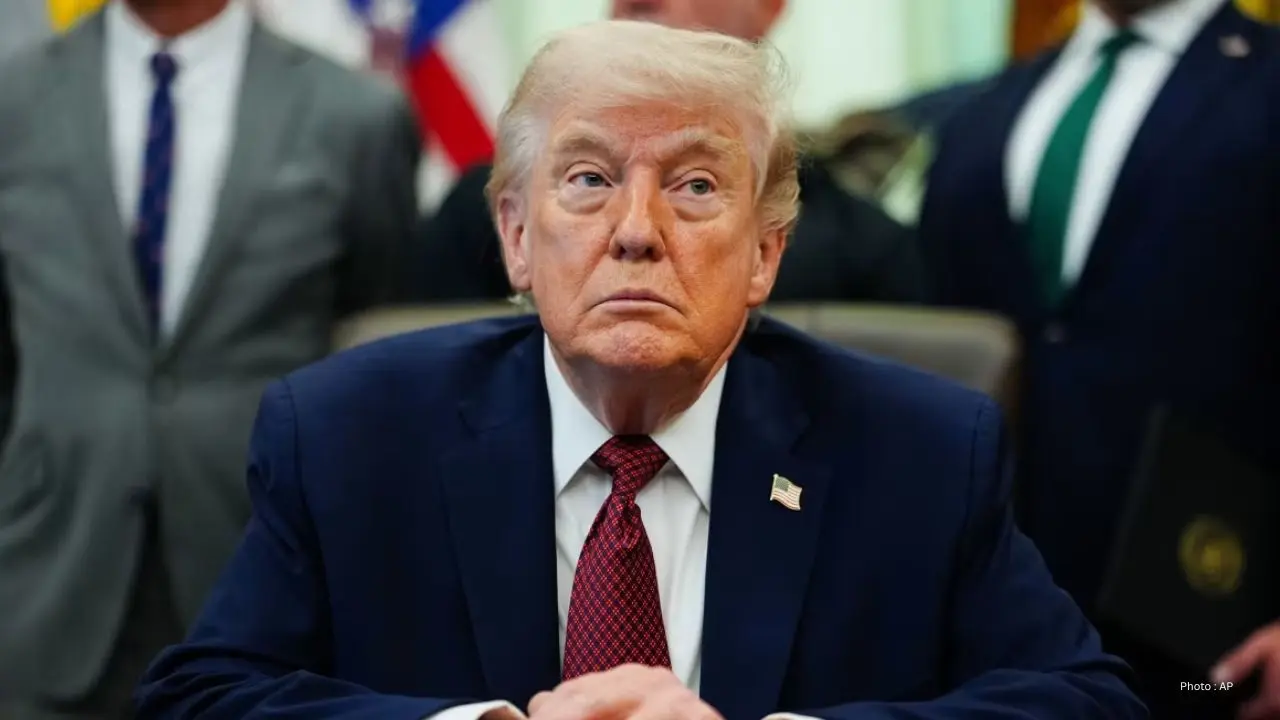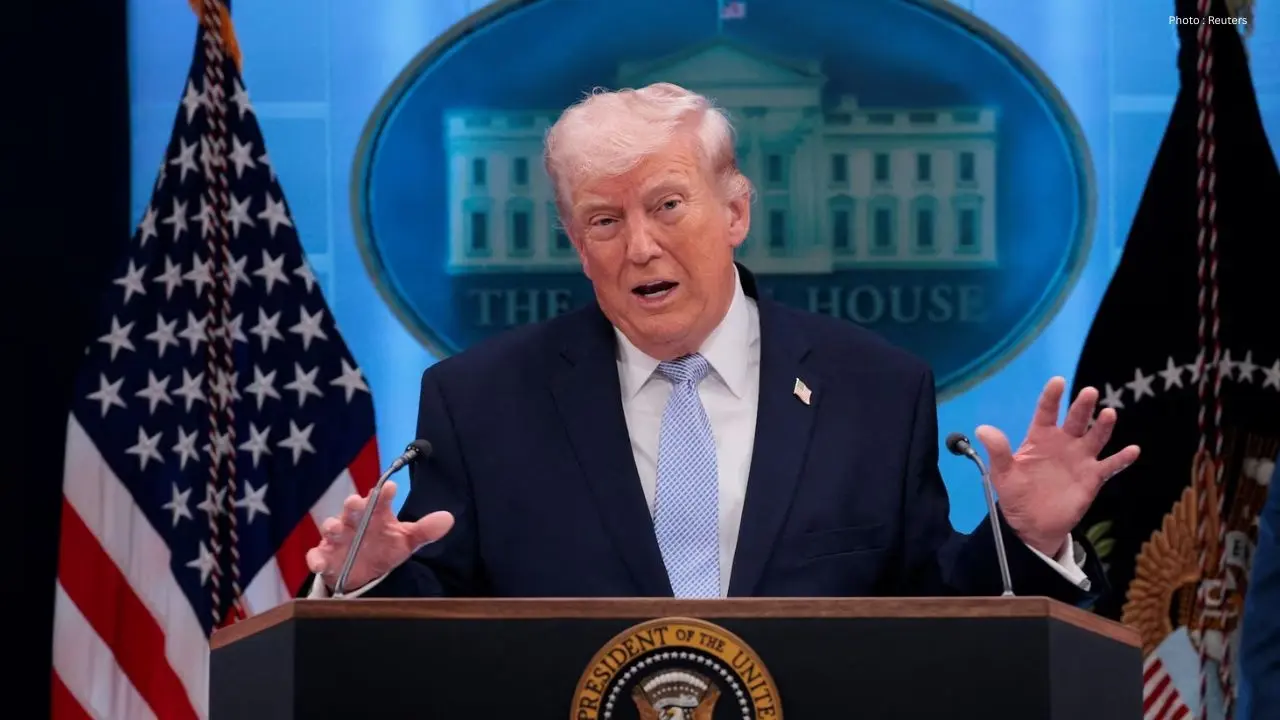
US President Donald Trump has announced that a potential deal aimed at easing US-Iran tensions is “largely negotiated.” He suggested that discussions are advancing toward an agreement that could facilitate the reopening of the Strait of Hormuz, a critical route for global oil transportation. This declaration arose amidst active diplomatic dialogues involving various Middle Eastern nations and international facilitators.
Reports indicate that while the final elements of the agreement are still under discussion, key components of the framework have been tentatively agreed upon. The anticipated deal seeks to diminish military hostilities, reestablish the Strait of Hormuz as a navigable route for trade, and initiate new discussions regarding Iran’s nuclear ambitions. Trump also mentioned that regional leaders are supportive of the US pursuing this agreement to prevent further instability in the Gulf.
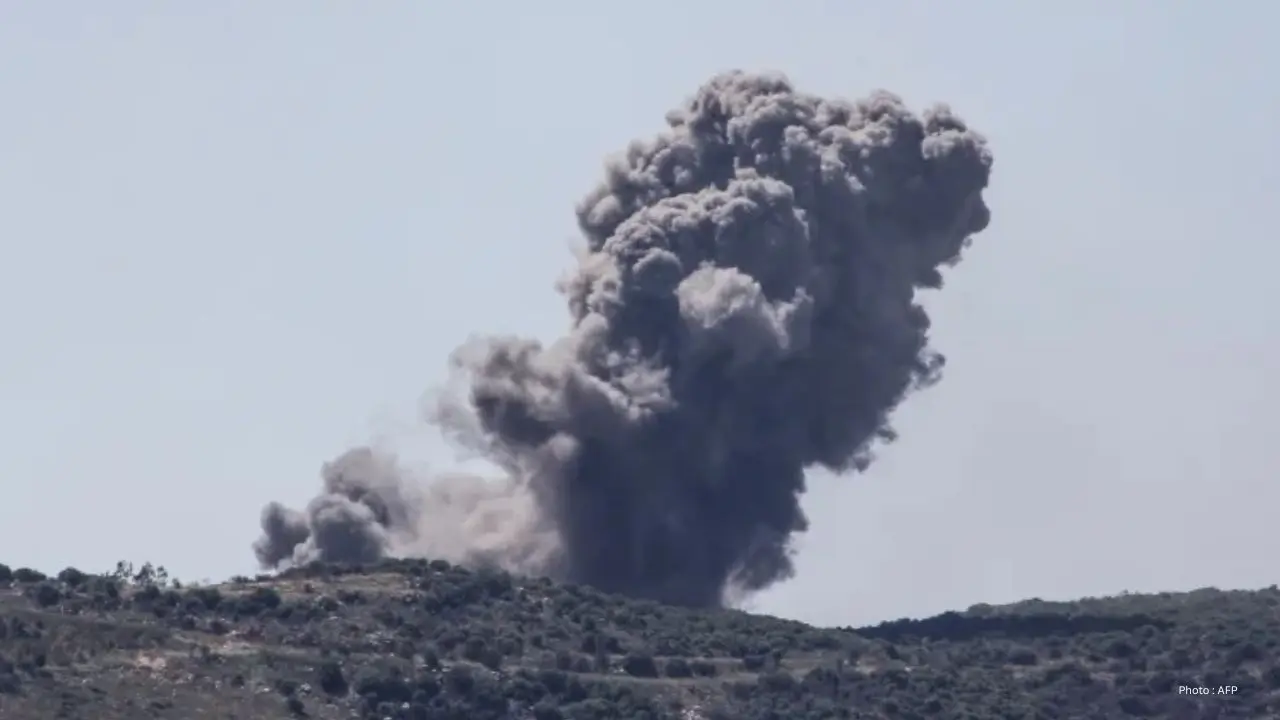
The Strait of Hormuz is strategically located between Iran and Oman, with nearly 20% of the world's oil supply passing through this narrow waterway daily. Recent months have seen significant disruptions in this region due to heightened tensions involving Iran, the US, and Israel, leading to increased military operations, naval blockades, and attacks on vessels, raising concerns over a broader military conflict and propelling global oil prices upwards.
The envisaged agreement may introduce a temporary ceasefire, the removal of naval mines in the Strait of Hormuz, and improved passage rights for commercial vessels. In return, the United States might consider lifting some limitations on Iranian ports and granting limited relief from sanctions on oil exports. Nevertheless, Iranian officials have yet to fully validate Trump’s statements. Reports from Iranian media suggested that Tehran seeks to maintain oversight of security measures in the Strait and demands guarantees against potential future US military actions.
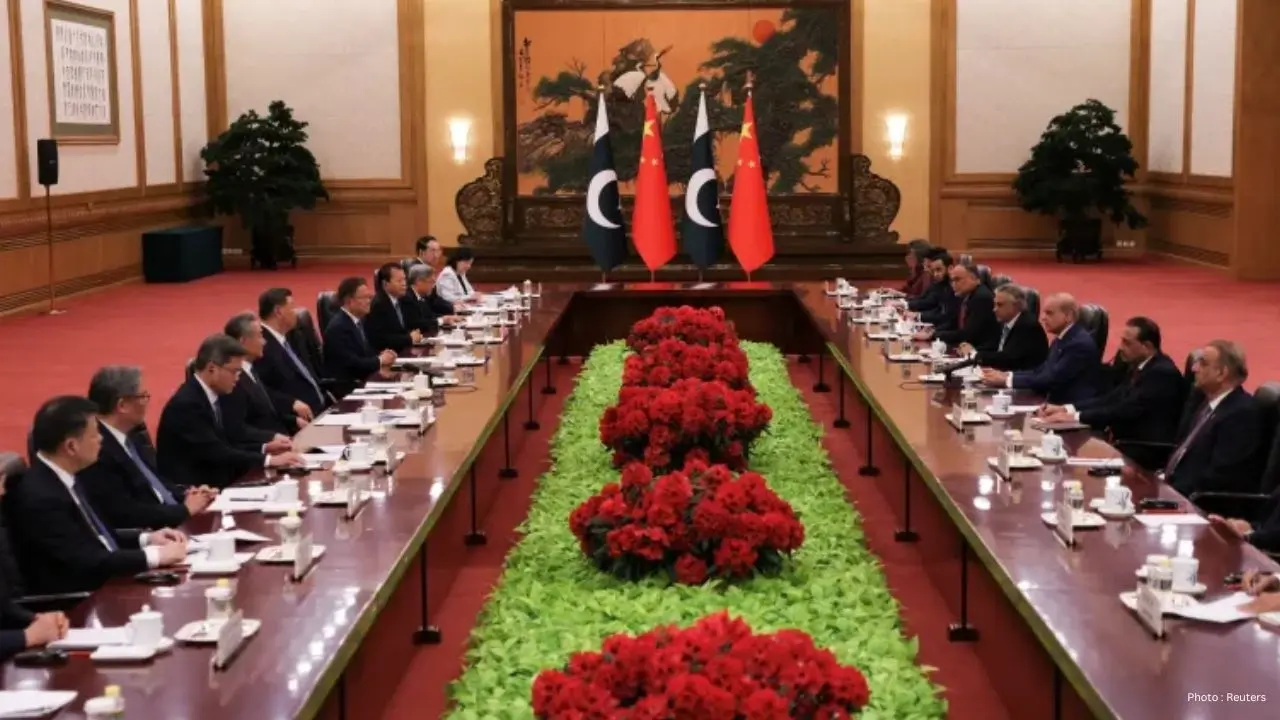
Diplomatic efforts have seen participation from representatives of Pakistan, Saudi Arabia, Qatar, the United Arab Emirates, Egypt, Jordan, and Turkey. Leadership from Pakistan expressed that the recent talks have yielded “encouraging progress,” while regional actors are continuing dialogues with both Washington and Tehran aimed at averting further military escalation.
US Secretary of State Marco Rubio corroborated the reports of advancing negotiations, despite several critical issues remaining unresolved, including Iran's nuclear enrichment, missile programs, and demands for sanctions relief. Analysts caution that finalizing a deal may take longer, as significant disagreements persist over essential security and political concerns.
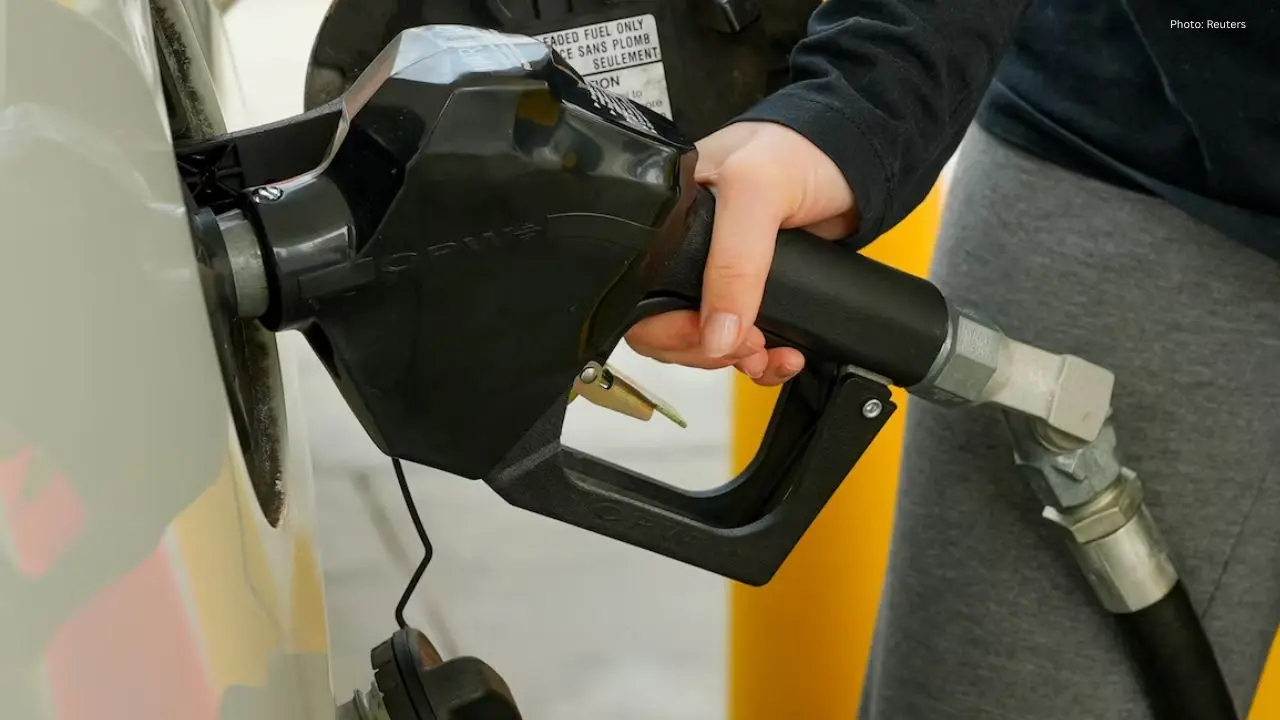
The prospect of reopening the Strait of Hormuz has begun to influence global markets, with oil prices dipping following reports that diplomatic progress may stabilize the region and enhance energy availability worldwide. Experts assert that a successful agreement would be pivotal not just for the Middle East, but also for global trade, oil markets, and international security.