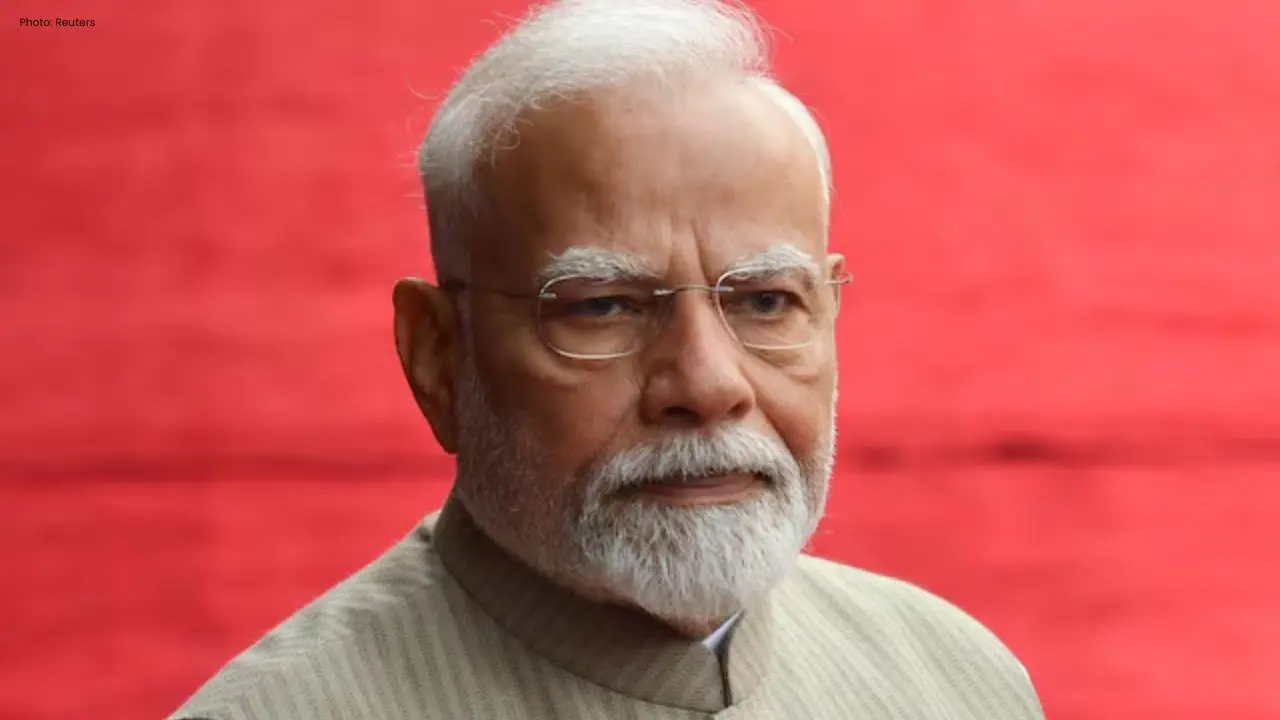
A significant discussion is underway in India regarding a groundbreaking initiative intended to boost women's representation in Parliament, positioning the nation for a potential political transformation.
The proposed bill, championed by Prime Minister Narendra Modi's administration, aims to secure one-third of parliamentary and legislative seats for women, indicating a pivotal moment for political inclusion in the country.
Should it come to fruition, this legislation would expedite a previous law enacted in 2023, potentially ushering in a multitude of women into political roles and tackling the persistent gender disparity in Indian politics.
Notably, this initiative is intricately linked with a contentious proposal to revise electoral boundaries, possibly increasing the number of parliament seats from 543 to approximately 850, which has ignited extensive discourse.
Opposition factions have voiced apprehensions that the delimitation, reliant on demographic data, could disrupt the political equilibrium between northern and southern states, ostensibly favoring the ruling party.
Leaders from the southern regions caution that a population-centric seat allocation might diminish their political influence, despite reporting stronger economic indicators and lower population increases compared to their northern counterparts.
Advocates of the bill assert that enhancing women's roles in governance will fortify democracy and direct attention to critical matters such as health, education, and gender equity, encouraging more women to pursue political careers.
Simultaneously, demonstrations and rising political strain have surfaced, with opposition figures calling for greater transparency and inclusive discussions prior to any changes being adopted.
To succeed, the bill must secure a two-thirds majority in both legislative houses, and its fate remains uncertain amidst the burgeoning political discourse.