In Bangladesh, a significant political controversy has erupted following the parliament's decision to roll back essential reforms initiated after the 2024 student-led protests. This move has alarmed opposition factions and civil society advocates regarding the country's democratic accountability.
These developments emerged post the removal of former Prime Minister Sheikh Hasina, leading to an interim government under Muhammad Yunus. This administration had introduced various ordinances aimed at enhancing governance and safeguarding human rights.
The newly elected parliament has reviewed 133 ordinances, scrapping at least 23 critical ones. These pertain to key areas such as human rights oversight, judicial independence, anti-corruption strategies, and police reforms, which were vital for transforming state institutions.
Opposition figures and activists express concerns that these adjustments undermine the safeguards established post-protests, potentially consolidating power within central authorities. They argue that the elimination of legal protections could hinder transparency and diminish accountability in governance.
Despite criticism, the government maintains that the rollback is part of a necessary review to enhance legal clarity. Officials assert that certain reforms will be reconsidered following broader discussions involving legal advisors and civil society representatives.
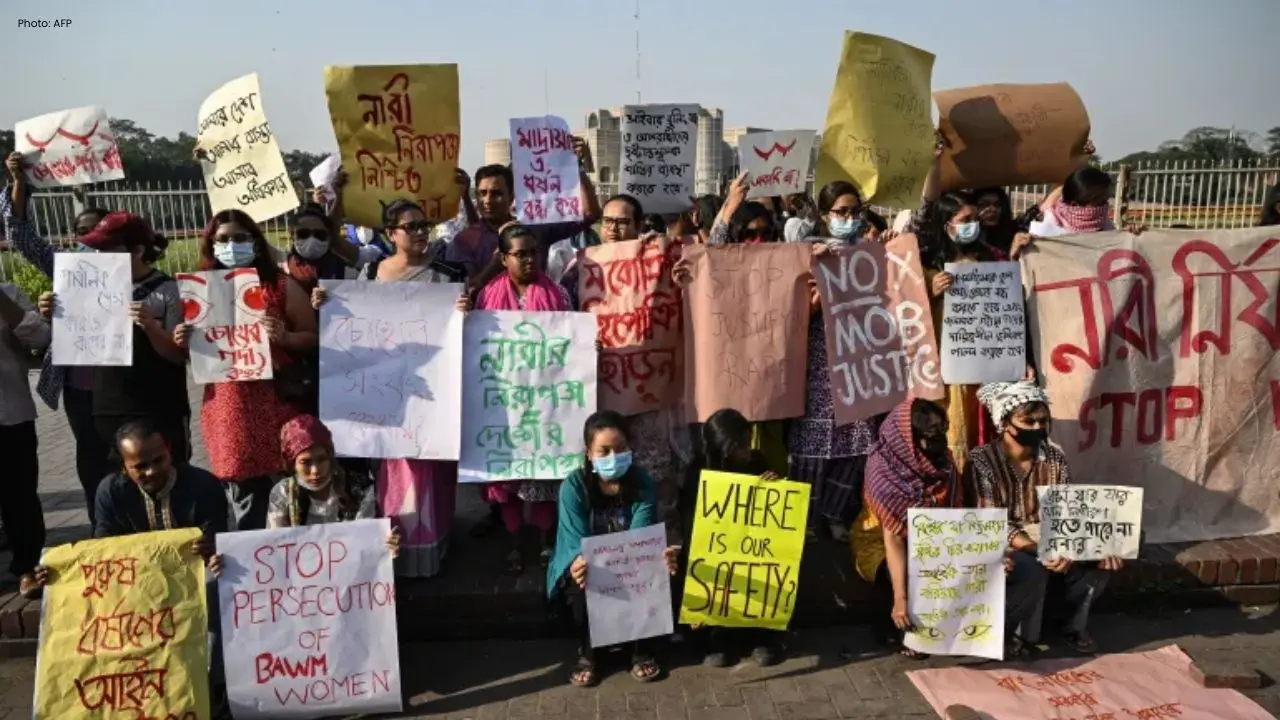
This legislative rollback has incited protests and political mobilization throughout the nation, underscoring deeper dissatisfaction with the trajectory of Bangladesh’s political evolution. Observers suggest that the situation surpasses specific laws and highlights a wider struggle over institutional authority and reform.
Experts warn that diminishing legal protections concerning human rights and judicial autonomy could yield lasting repercussions. The next few months will be pivotal in determining if the government will advance with revised reforms or persist with its current legislative agenda.