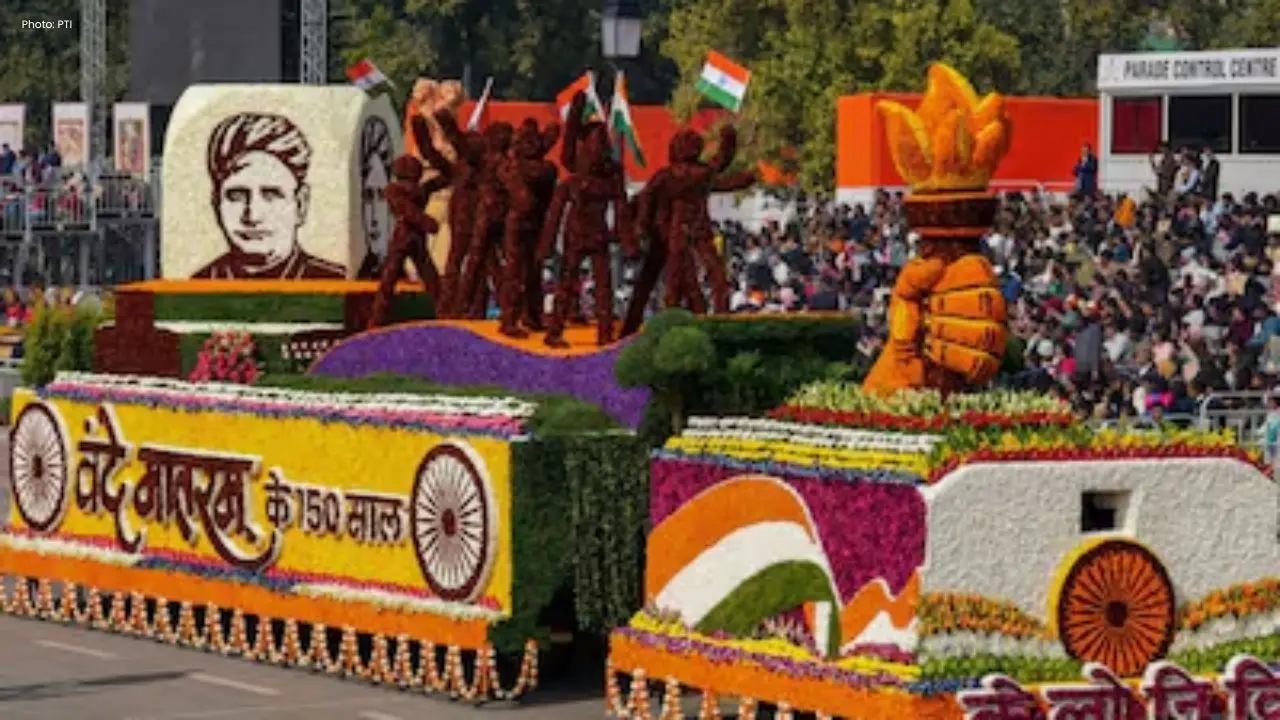
A significant political dispute has emerged in Kerala following the full rendition of the national song “Vande Mataram” during the Congress-led UDF Cabinet's swearing-in event. This incident sparked intense disagreements between the Left parties and the BJP, as both factions accused one another of manipulating nationalism and secular values for their own agendas.
The CPIM expressed strong disapproval of the complete song being performed, labeling it inappropriate for a diverse and secular nation. Party representatives argued that only the officially sanctioned opening lines of “Vande Mataram” should be recited at government events, as historically resolved by national leaders and the Constituent Assembly.
CPI leader Binoy Viswam emphasized that the historical decision to restrict parts of the national song was rooted in preserving India’s secular essence. He noted that sections of the song possess religious connotations that do not align with the inclusive ideals championed by Mahatma Gandhi and Jawaharlal Nehru.
The situation escalated as the BJP accused Left parties of denigrating the national song to appease extremist factions. Rajeev Chandrasekhar, BJP Kerala president, criticized the Communists, asserting that Marxist ideology misconstrues Indian culture and traditions. He claimed the Left engaged in appeasement politics by questioning “Vande Mataram.”
Insider reports from the nascent Kerala government indicate a separation from the outcry, asserting that event arrangements were solely managed by Lok Bhavan officials. Government sources maintained that the complete recital lacked any political motivation during the oath-taking ceremony.
Additionally, the CPIM highlighted that numerous BJP-led states do not hold full performances of “Vande Mataram” at their official gatherings. The party cautioned that such choices could undermine the nation’s secular fabric and foster unwarranted divisions within society.
This controversy has now incited broader political conversations throughout Kerala, as social media users and political figures discuss nationalism, constitutional precedents, and the influence of religion in public ceremonies. This issue is poised to remain a pivotal topic of political discourse in the upcoming days.