Vietnam is on the brink of an economic renaissance with the introduction of Resolution 79, which redefines the collaboration between state-owned and private companies. This policy signifies a groundbreaking evolution in development strategies, transitioning from isolated economic frameworks to a cohesive ecosystem approach. In this new paradigm, state-owned enterprises are envisioned as a “core force” responsible for infrastructure development, spearheading value chains, and fostering private sector involvement.
Industry leaders and analysts are optimistic that this innovative model will address persistent challenges in governance, resource distribution, and coordination. By allowing state-owned enterprises to function more nimbly and transparently, the resolution aims to enhance efficiency while motivating private firms—particularly SMEs—to engage in larger initiatives. This change is anticipated to forge stronger economic connections and promote more sustainable engines of growth.
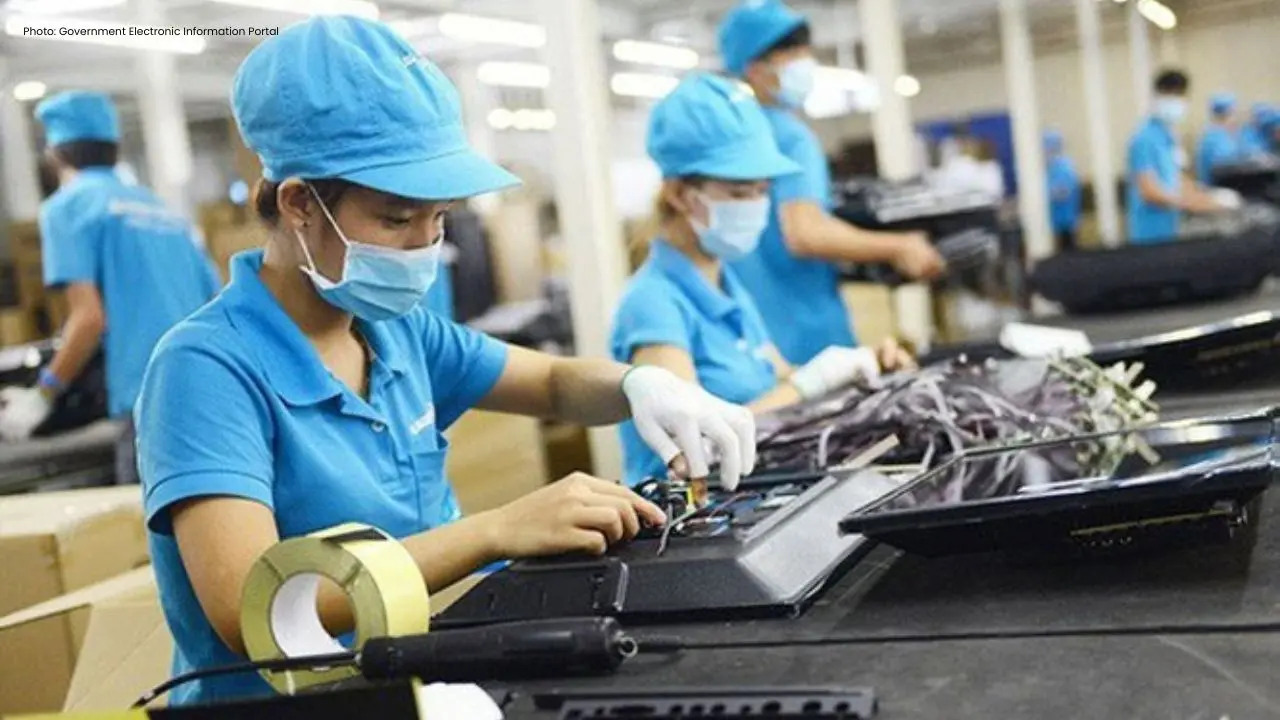
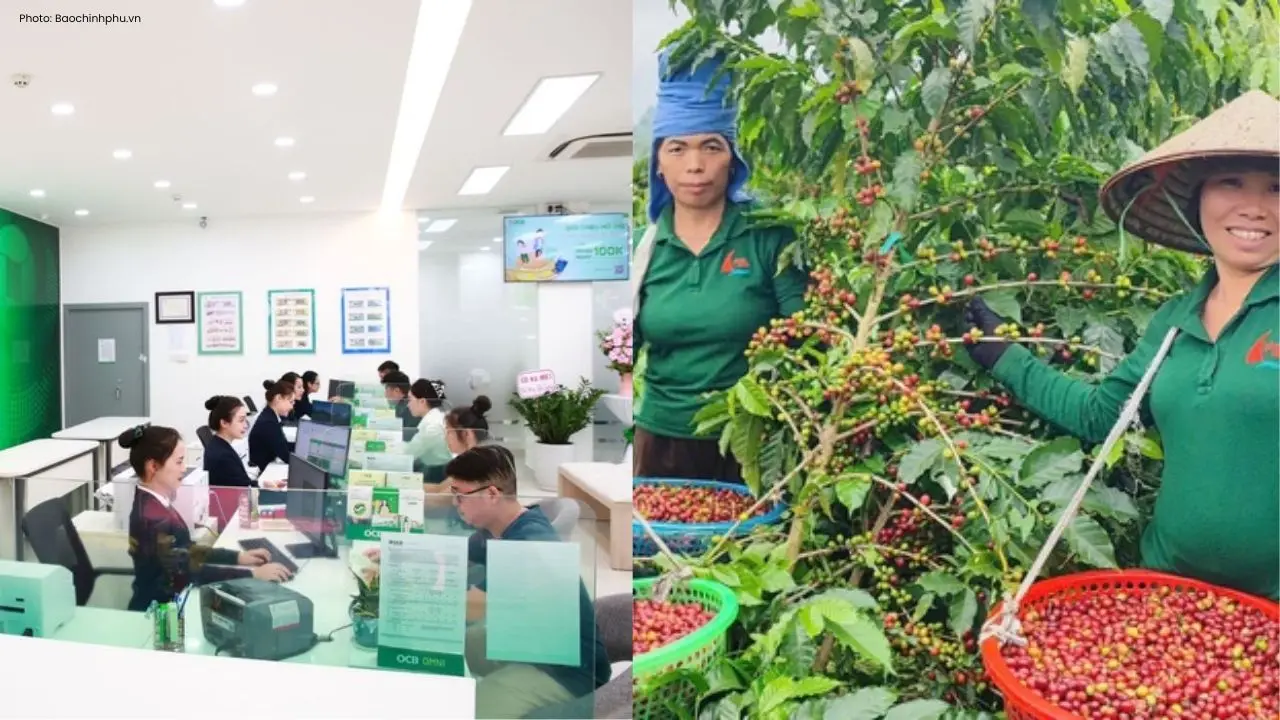
The influence of Resolution 79 is set to reach well beyond conventional industries, impacting emerging domains like digital innovation, renewable energy, finance, and advanced agriculture. Experts emphasize that enhanced infrastructure, logistics enhancements, and supportive policies will lower costs and boost global competitiveness. Notably, the involvement of private entities in value chains led by major state enterprises could unlock fresh export markets and elevate the value of Vietnamese goods on the world stage.
Nevertheless, analysts caution that the success of this transition hinges on private enterprises’ adaptability. Businesses must modernize their management strategies, embrace digital advancements, and adhere to elevated standards of transparency and sustainability. When effectively implemented alongside supportive reform measures, Resolution 79 could fortify Vietnam’s economic stability, boost innovation, and establish the nation as a key player in global supply networks.