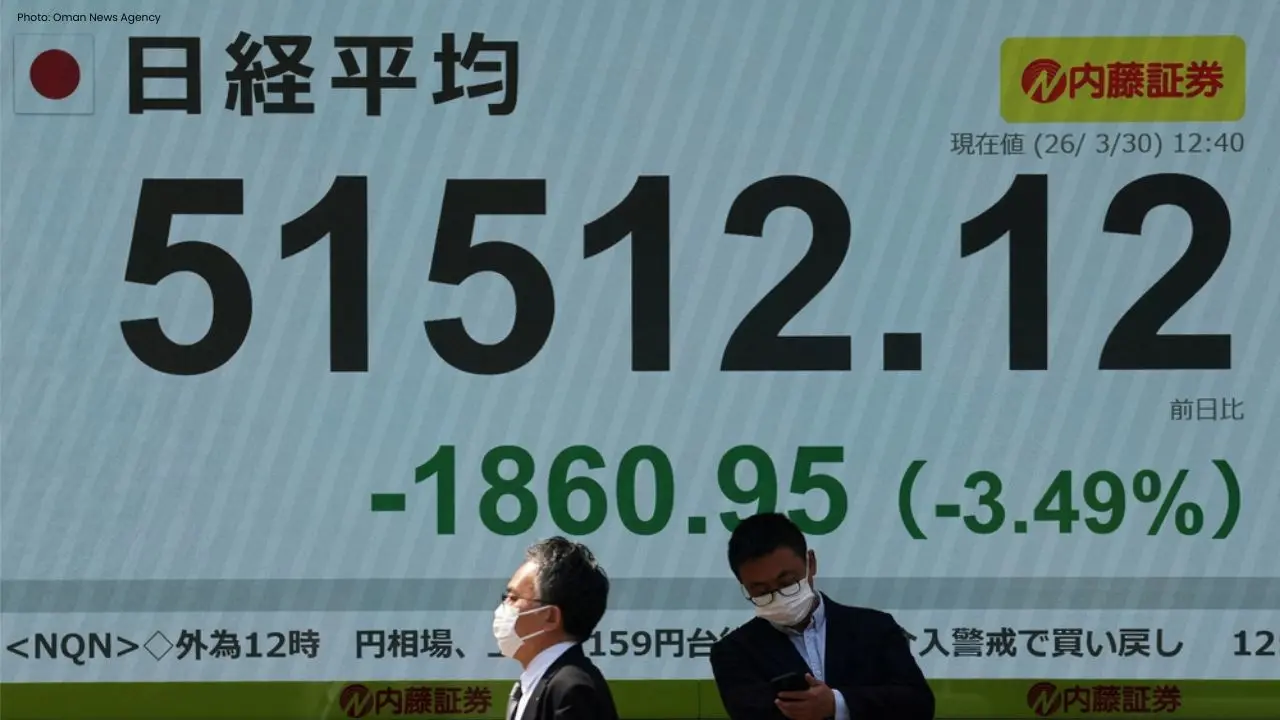
On April 30, Bursa Malaysia witnessed a downturn in early trading, as global uncertainties cast a shadow over investor sentiment. The market's fluctuations mirrored the cautious approach traders are taking while keeping an eye on international political developments and energy market dynamics.
The FTSE Bursa Malaysia KLCI benchmark index experienced a minor drop, sliding down by 1.92 points to 1,718.50 compared to its previous closing figure. The session opened with a slight dip, indicating initial hesitation among investors.
A significant factor contributing to this wary atmosphere is the escalating geopolitical situation in West Asia. Following indications from Donald Trump of a potential extended blockade related to Iran, worries intensified regarding possible disruptions in global oil supply, which negatively affected market sentiment.
Simultaneously, oil prices soared, with Brent crude oil nearing 118 US dollars per barrel, a notably high level. Increased oil prices often breed uncertainty within stock markets as they elevate operational costs for businesses and threaten global economic stability.
Additionally, the surprising decision by the United Arab Emirates to dissociate from the OPEC alliance has further clouded the global oil supply outlook, prompting investors to tread carefully.
Observations from the market indicate that declining stocks outnumbered those that gained, revealing a predominantly negative trajectory. Many stocks remained unchanged, while trading activity was subdued, reflecting a wait-and-see strategy among investors in the face of unclear global signals.
Despite the prevailing market hesitance, notable companies have posted gains. Some banking stocks like Maybank and CIMB reported slight increases, hinting at selective investor interest. Conversely, major players such as Public Bank, Tenaga Nasional, and IHH Healthcare suffered losses, hindering overall market performance.
Analysts suggest that the recent market decline may present buying opportunities for investors seeking solid companies at more favorable prices. However, they caution that the market is set to remain cautious in the near term due to elevated oil prices and ongoing geopolitical uncertainties.
Looking forward, analysts predict that the benchmark index will oscillate within a narrow range as investors await more definitive global developments. Any significant news impacting oil supply, political tensions, or economic indicators could dramatically steer market movements in the upcoming days.