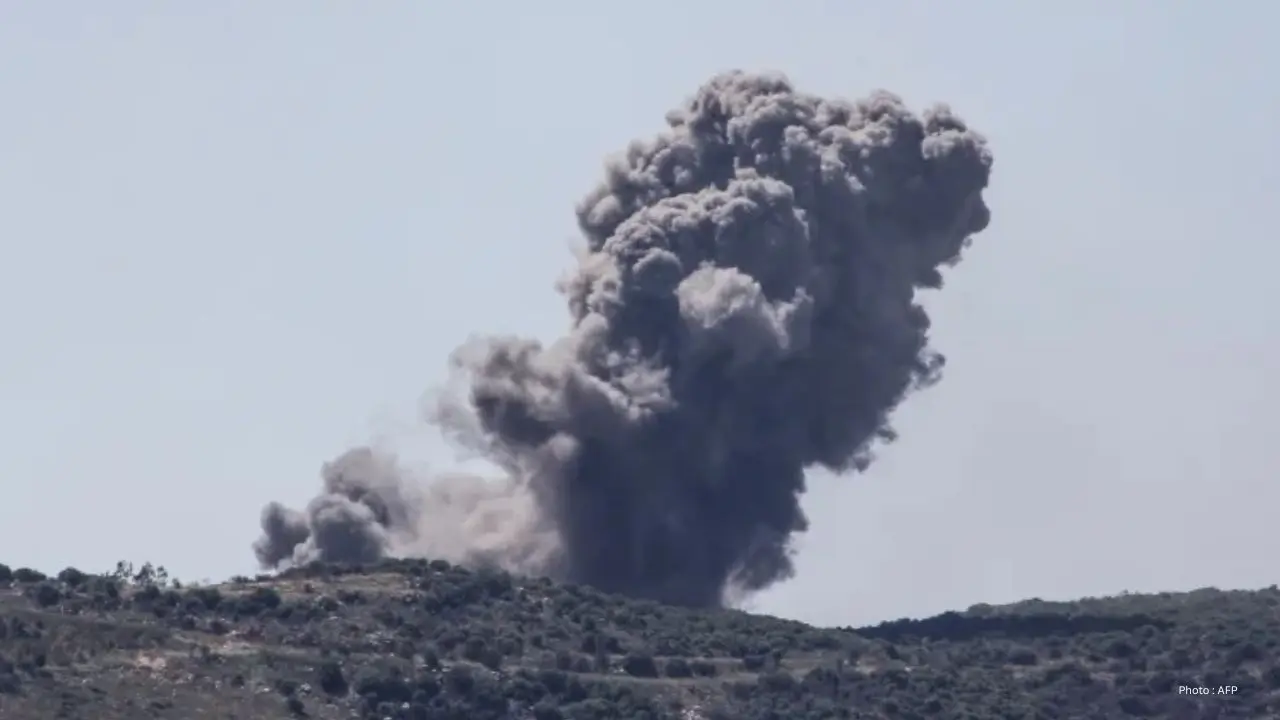
A major geopolitical flashpoint is unfolding in the Strait of Hormuz as the United States launches “Project Freedom” to guide stranded ships through the critical oil route. The move comes amid a deepening standoff with Iran, which has warned that any US interference could lead to military retaliation.
The initiative aims to assist hundreds of vessels stuck in the region, many reportedly running low on essential supplies, while ensuring safe passage through one of the world’s most important energy corridors.
With nearly 20–25% of global oil trade normally passing through Hormuz, disruptions have already shaken energy markets, increased shipping delays, and raised fears of a wider economic impact.
Experts warn that the situation is entering a phase of “managed instability,” where miscalculations between military forces could quickly escalate tensions. Meanwhile, analysts say a “new normal” may be emerging in global maritime trade, as companies adapt to prolonged uncertainty and rising geopolitical risks.
From oil prices to global shipping routes, the Hormuz crisis is now reshaping the future of international trade and energy security.