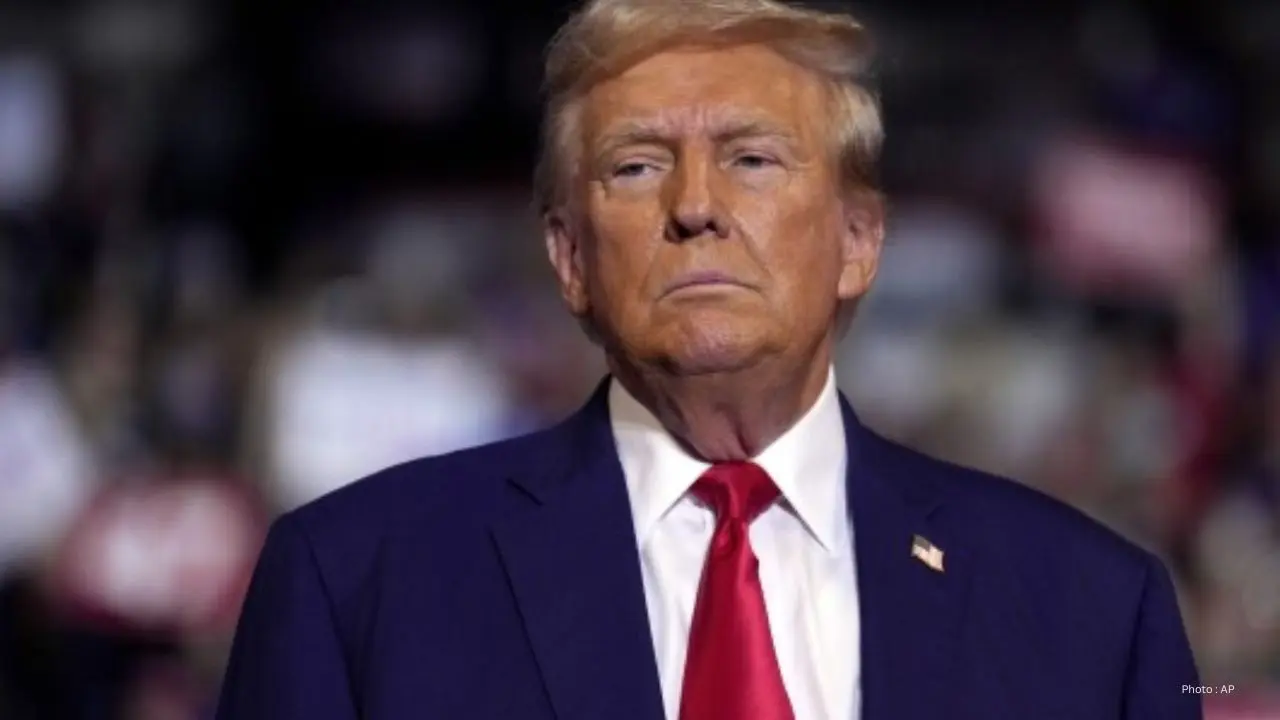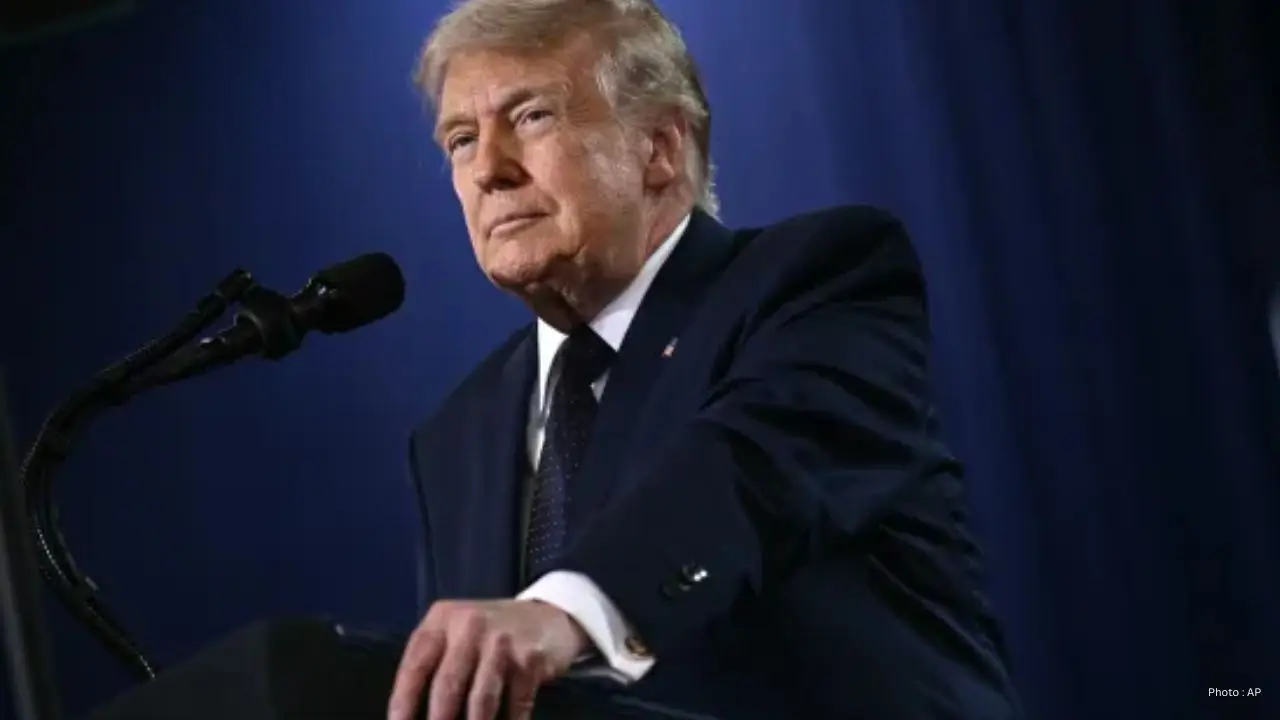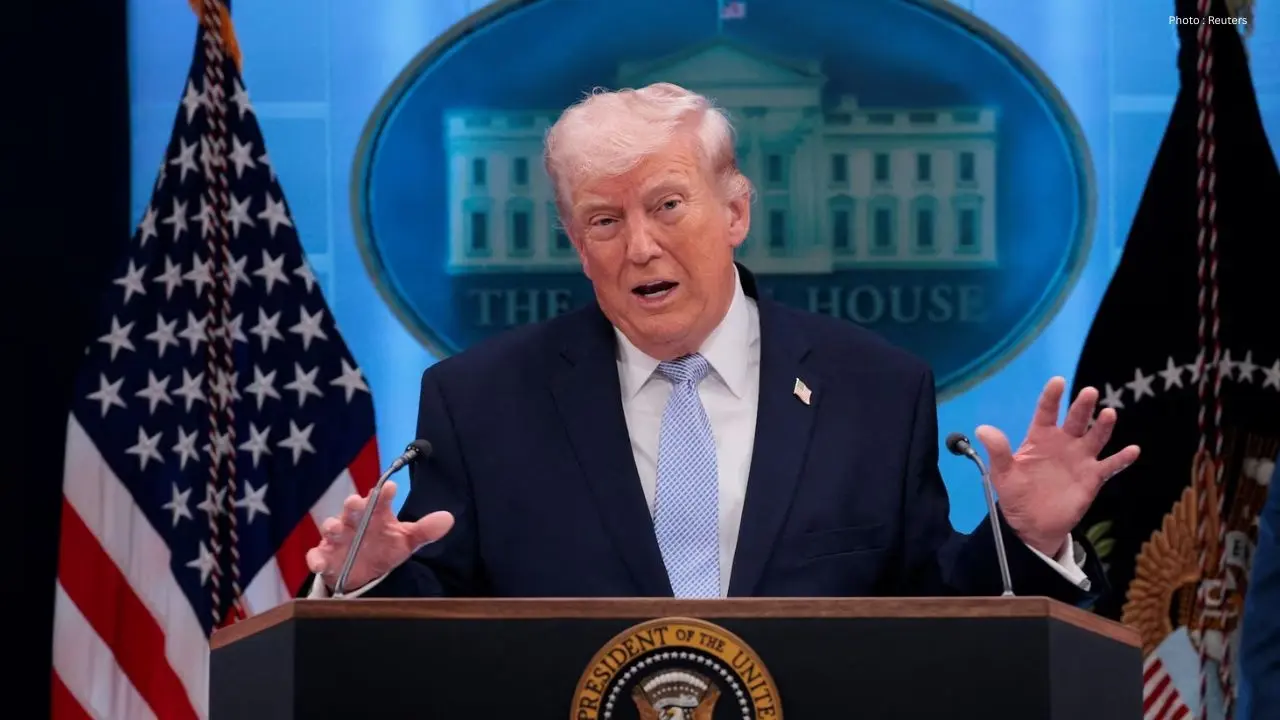
In a significant legal development, a United States trade court has ruled in favor of a coalition of businesses and plaintiffs opposing former President Donald Trump’s global tariff initiatives. This decision poses a substantial setback to Trump's trade strategies, as the court found that the administration had overreached its presidential powers by attempting to implement extensive tariffs on imports utilizing emergency economic authority.
The U.S. Court of International Trade revealed the ruling, which arose from legal challenges presented by trade groups and businesses impacted by the tariffs. Plaintiffs contended that these tariffs could lead to increased costs for American firms, disrupt supply chains, and impose further financial stress on consumers already grappling with inflation.
According to the court, the emergency powers statute invoked to impose tariffs was never intended to provide presidents with unfettered control over trade decisions. The judges clarified that significant trade actions, particularly those influencing global markets, necessitate defined legal boundaries and proper oversight from Congress. Their ruling stressed that presidential tariff authorities cannot extend beyond the restrictions prescribed by U.S. law.
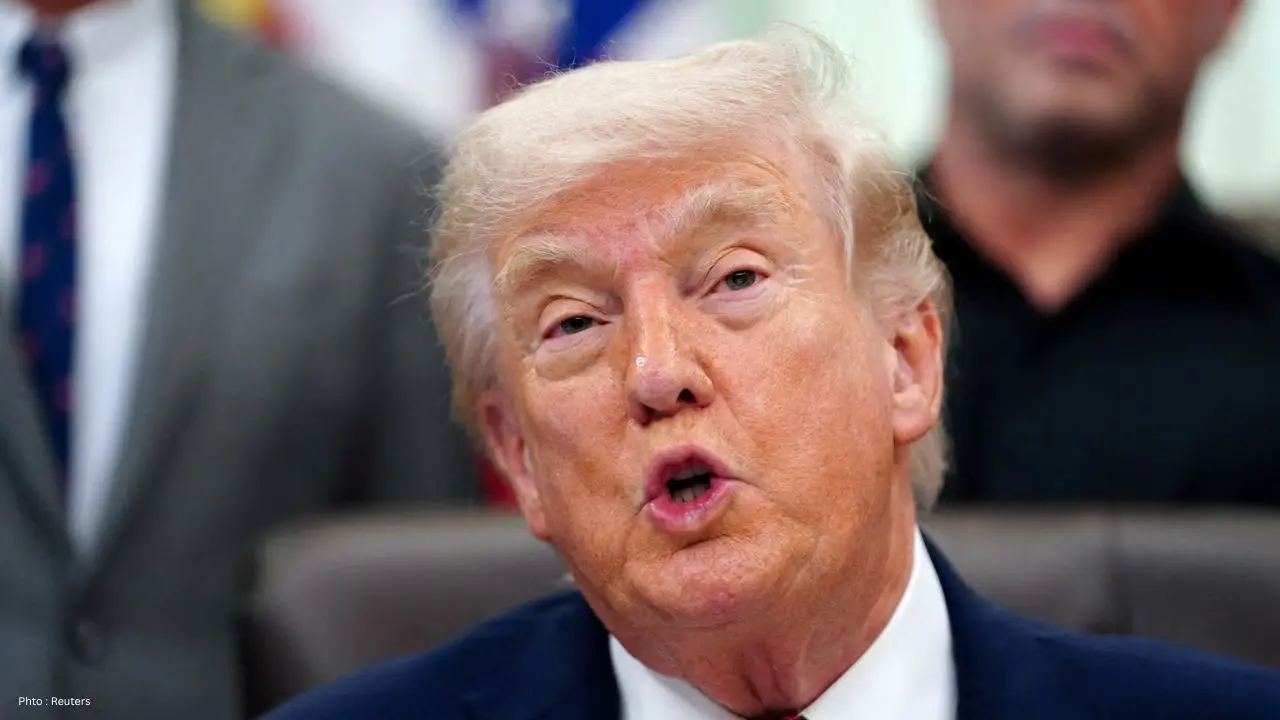
During his presidency, Donald Trump fiercely advocated for tariffs, viewing them as essential tools for supporting U.S. manufacturing, addressing trade deficits, and applying pressure on foreign nations in trade dialogues. He had previously levied tariffs against imports from China, Canada, Europe, and other regions.
The ruling has been met with approval from business organizations, who regard it as a critical decision for the economic landscape. Many worry that expansive tariffs could hike production costs, interrupt import activities, and breed uncertainty within global trade markets. Industry leaders assert that this ruling brings relief to companies reliant on international goods and supply chains.
Legal analysts suggest this case could spark an essential constitutional conversation regarding the extent of presidential powers in economic matters. The court cautioned that allowing unfettered tariff authority connected to emergencies could set a precarious precedent for subsequent administrations. Observers anticipate this ruling may shape future uses of executive authority in trade and economic frameworks.
Supporters of Trump have criticized this ruling, arguing that strong tariffs are vital for defending U.S. industries from unfair global competition. Some Republican officials claim it undermines the president's capacity to swiftly react to economic threats and trade conflicts involving foreign nations.
Expectations suggest the case will advance through the appeals process, hinting at a prolonged legal confrontation around tariff authority in the months to come. Political commentators believe this issue is likely to feature in broader discussions during the U.S. election cycle, particularly concerning manufacturing, trade policy, and America’s economic stance on a global platform.
Economists predict that the ruling could momentarily ease apprehensions about new large-scale tariffs that might impact international markets and consumer pricing globally. Nevertheless, uncertainty regarding future trade policies is expected to persist, as legal and political discourse surrounding presidential authority continues in the United States.