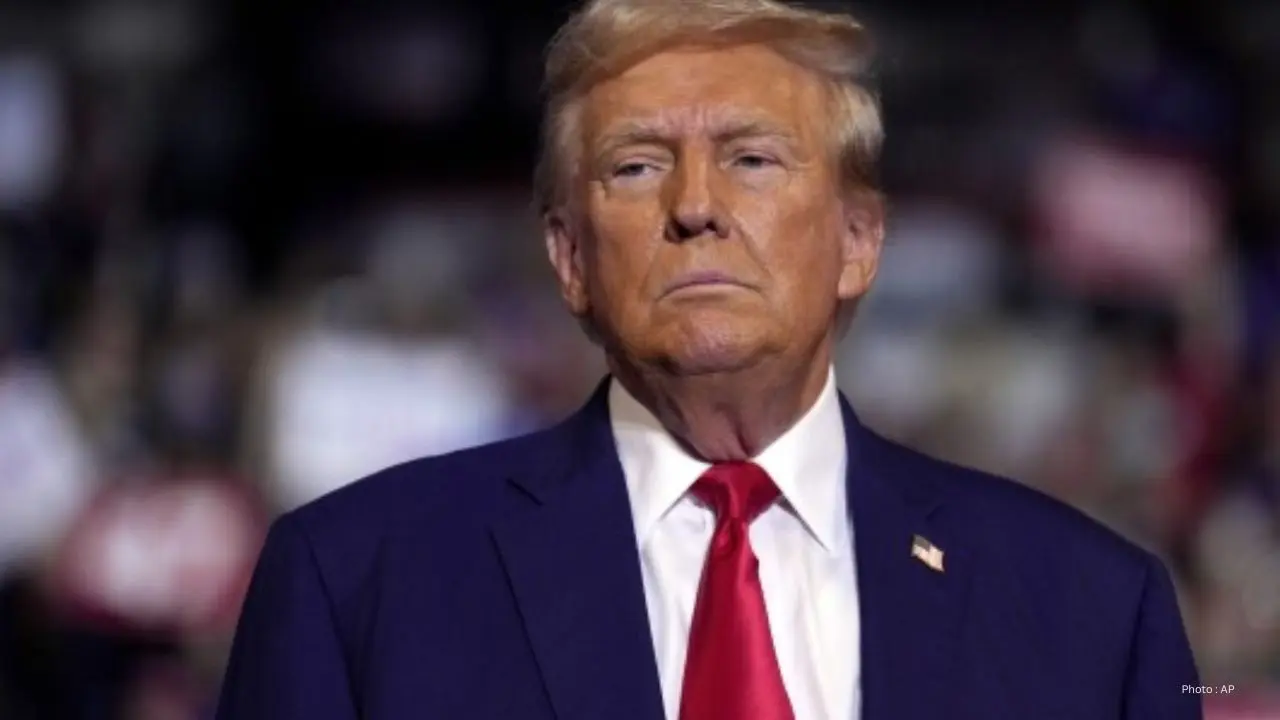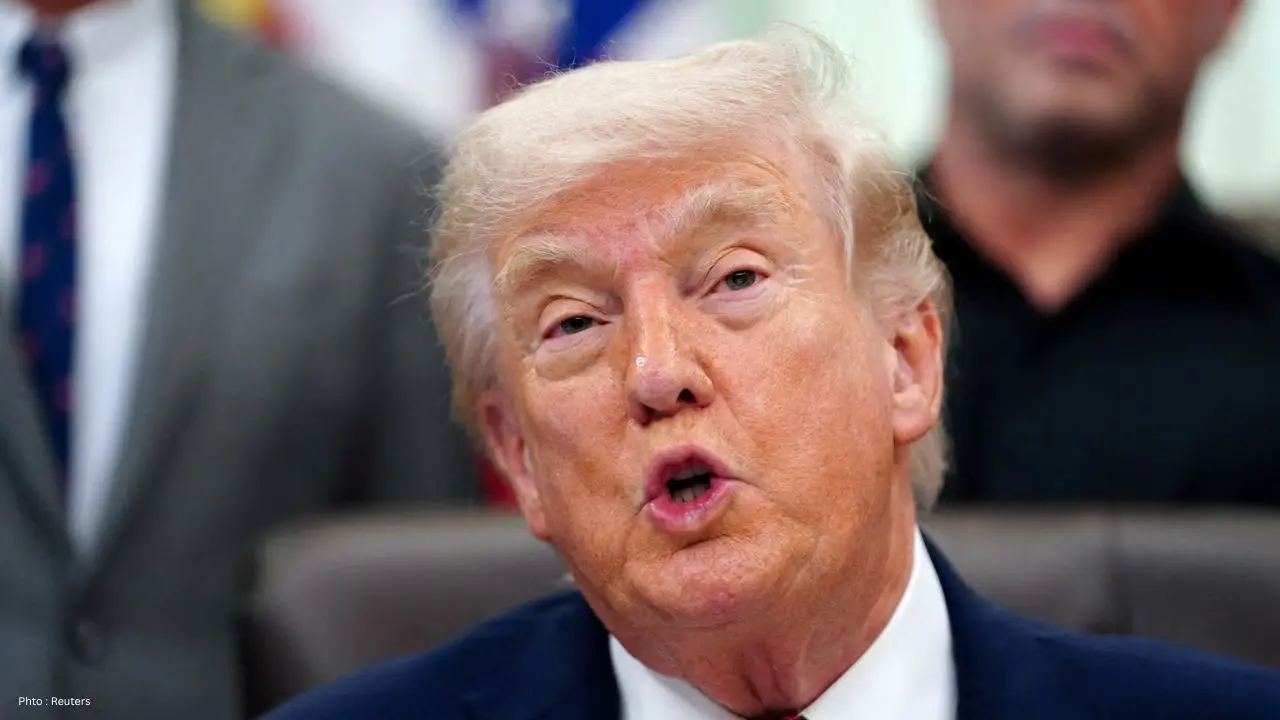
High-level diplomatic discussions took place in Beijing between China and Iran as pressures mounted regarding the ongoing blockade of the Strait of Hormuz, which has significant implications for global shipping and energy security. Iranian Foreign Minister Abbas Araghchi engaged with Chinese Foreign Minister Wang Yi during these critical talks, coinciding with heightened US-Iran tensions. This meeting occurred just ahead of US President Donald Trump’s planned visit to Beijing, where discussions on the Hormuz situation are anticipated.
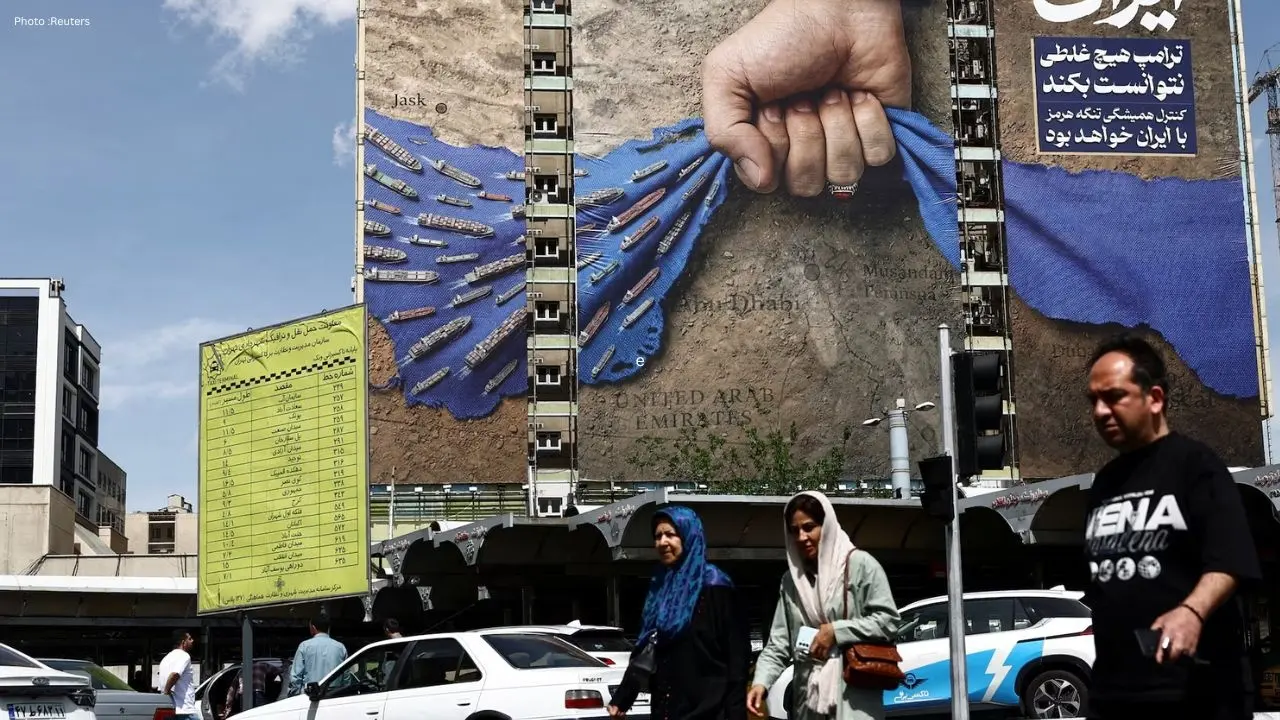
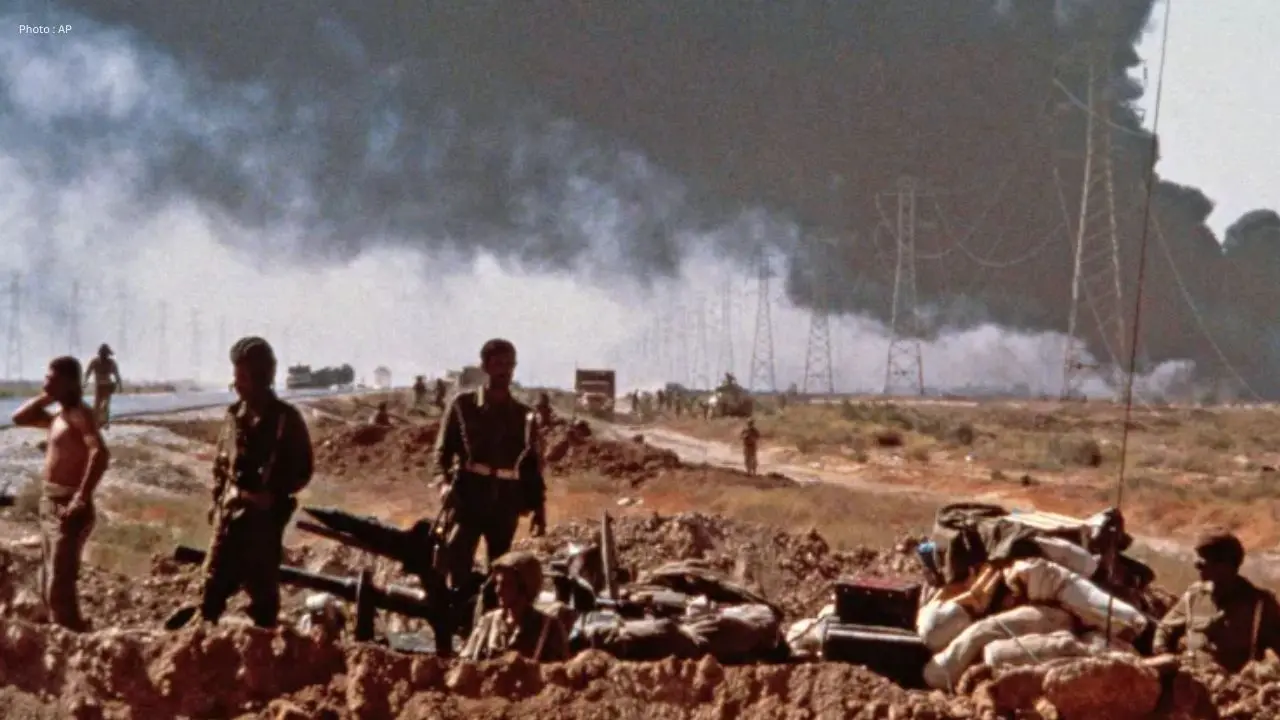
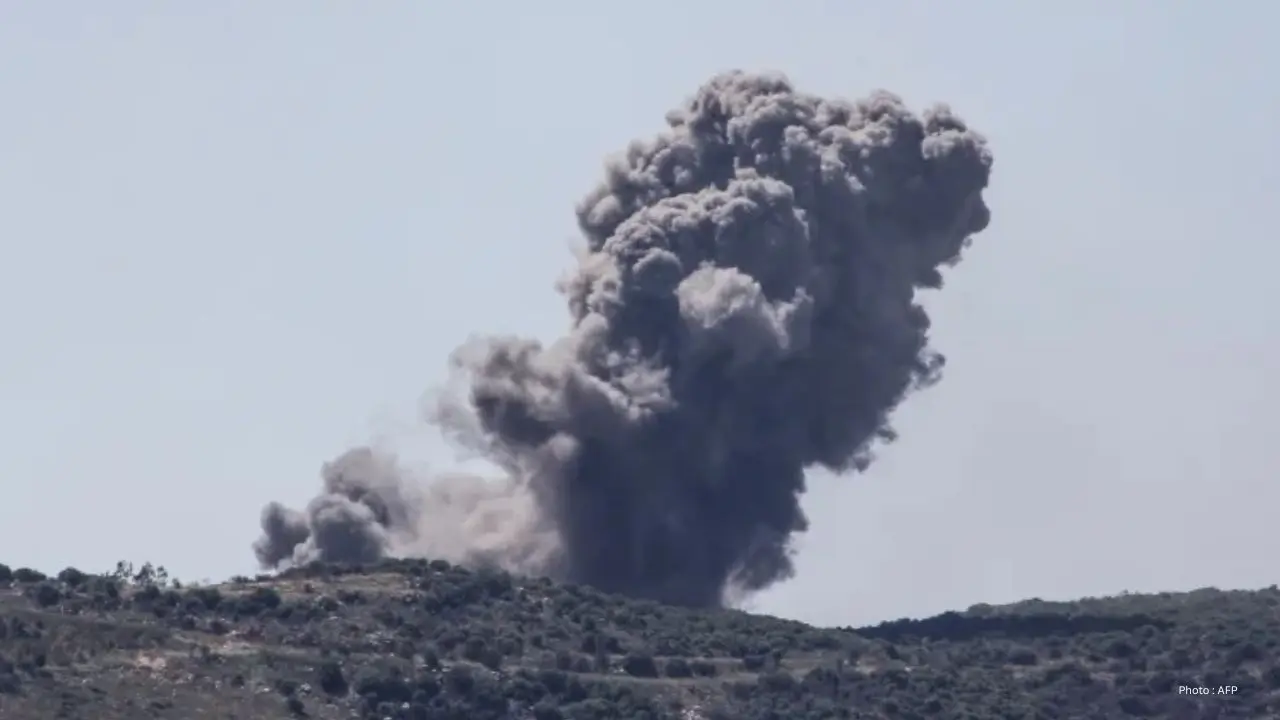
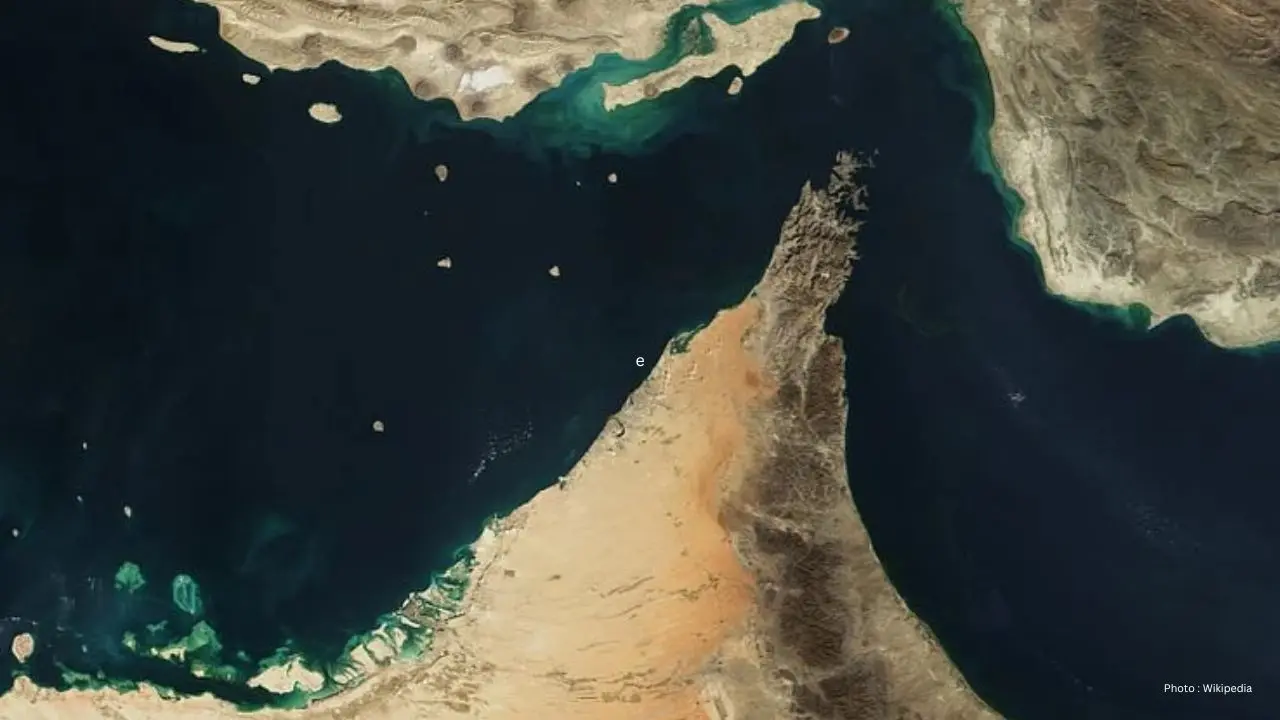
The focus of their talks was the Strait of Hormuz, a crucial oil shipping channel through which about one-fifth of the world's oil flows. Following an escalation of hostilities between Iran, the US, and Israel earlier this year, Iran has restricted access to this vital waterway, raising alarms about potential fuel price increases and supply chain disruptions worldwide.
Chinese state media indicated that both nations discussed strategies to de-escalate tensions and secure maritime trade routes. With China being one of Iran's principal allies and a major importer of Iranian oil, it has a vested interest in ensuring stable energy supply lines. Beijing has consistently warned that prolonged instability in Hormuz could adversely impact the global economy.
These discussions occur alongside an increase in US pressure on Iran to reopen the Strait. US Secretary of State Marco Rubio has urged China to leverage its influence with Tehran to facilitate the lifting of restrictions in the area. Rubio highlighted that Iran's actions have led to international isolation and have adversely affected energy-dependent nations, including China.
President Trump has also recently declared a temporary suspension of “Project Freedom,” a US-led initiative aimed at securing safe passage for commercial vessels through the Strait. This move is seen as an attempt to foster diplomatic channels with Iran, though broader sanctions against Iranian ports are set to persist during these negotiations.
While supporting Iran, China has also called for restraint and de-escalation in the region. It has critiqued the US naval measures against Iranian ports while quietly suggesting that Tehran should refrain from escalating the situation. Analysts note that China’s actions appear aimed at preserving its long-term economic interests amid potential regional conflicts affecting energy supplies.
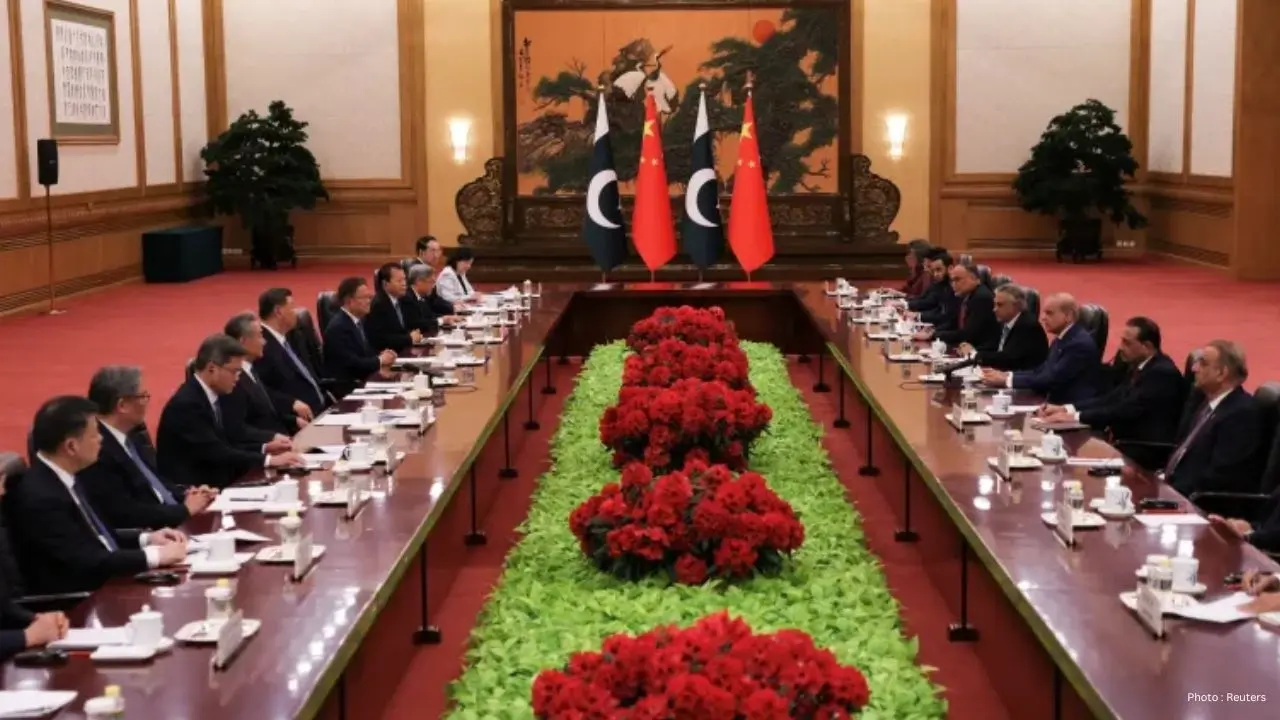
Reports suggest China is also fostering diplomatic efforts alongside Pakistan and other regional players to calm tensions between Washington and Tehran. Past proposals have hinted at peace talks and navigational normality in the Strait of Hormuz. This growing diplomatic role reinforces China’s increasing influence in Middle Eastern affairs.
Even as dialogue progresses, the Gulf region remains precarious. Numerous commercial vessels have faced delays due to security threats, causing reactions in the oil markets tied to developments in the blockade. Experts caution that any escalation could exacerbate global fuel prices, impacting economies already grappling with inflation and trade issues.
The Beijing interactions between China and Iran signify a vital diplomatic endeavor as global powers pursue peaceful resolutions to the Hormuz crisis. With President Trump preparing to meet with President Xi Jinping soon, many international observers are hopeful that these discussions may help ease tensions and restore this key maritime corridor.