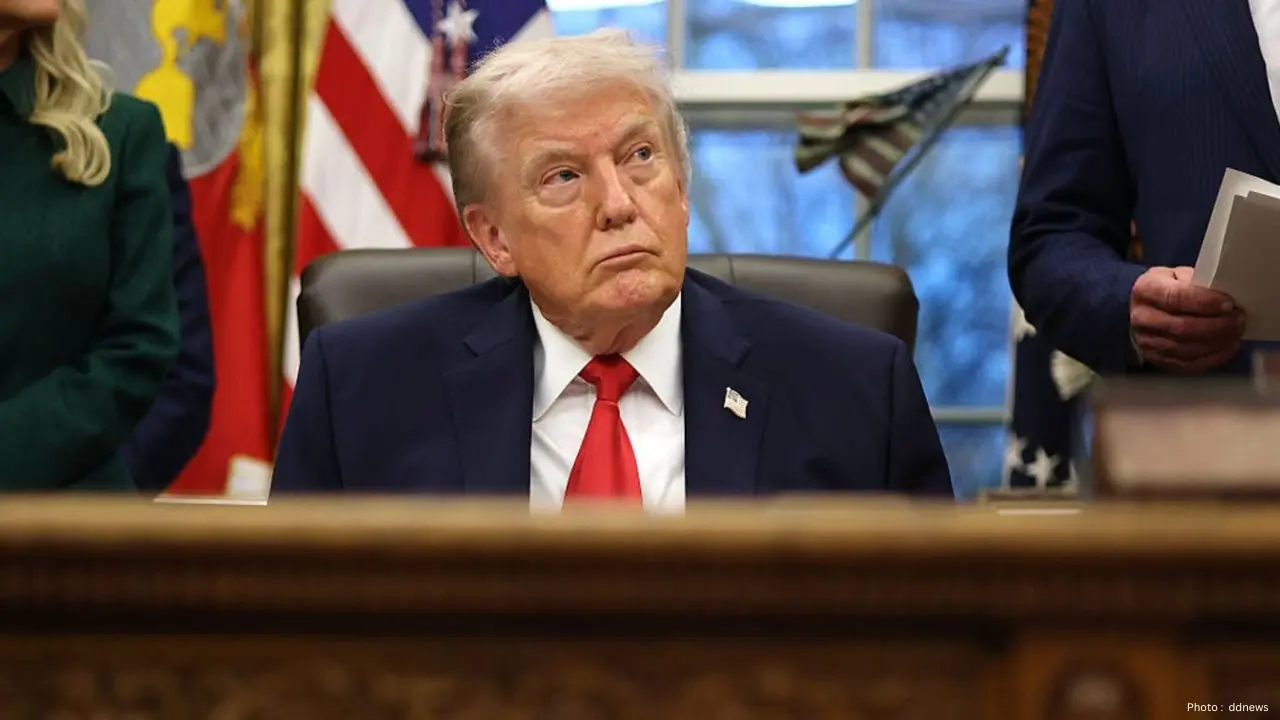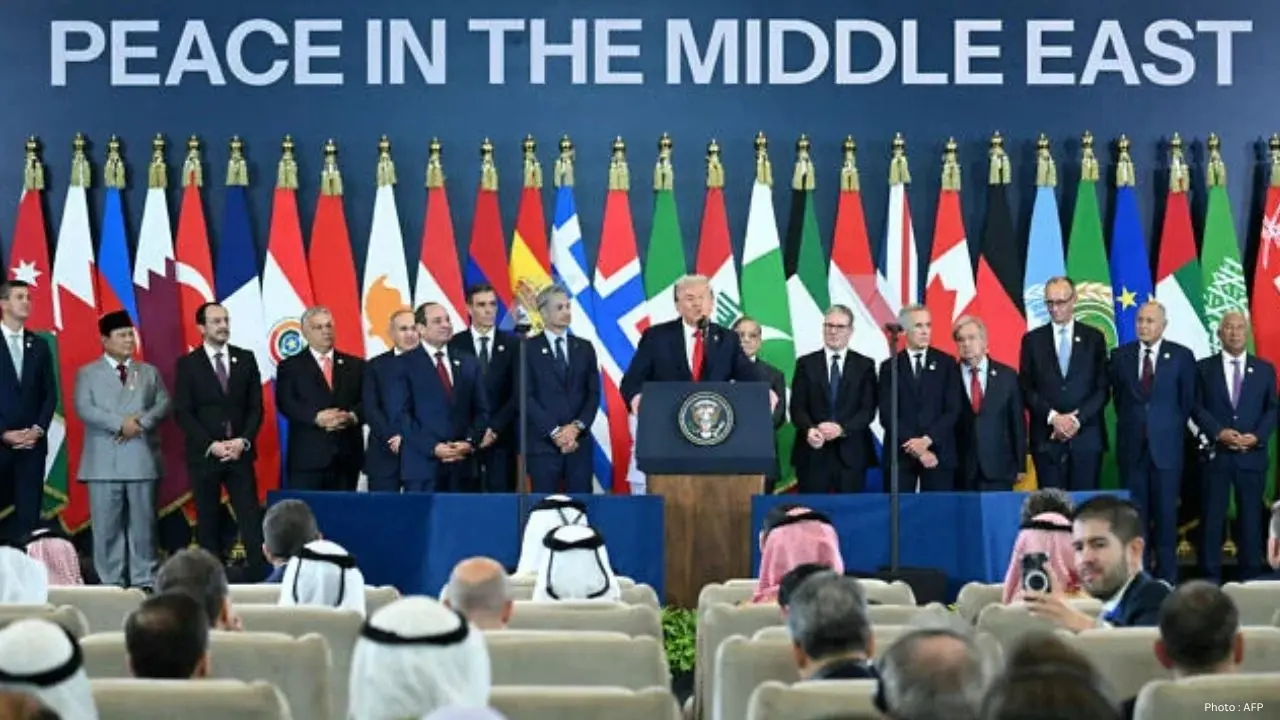
According to a report in The Times of Israel, U.S. President Donald Trump has allegedly urged various Muslim and Arab leaders to consider establishing diplomatic relations with Israel, should an agreement with Iran materialize. This claim has prompted renewed attention on the evolving political landscape in the Middle East, where countries are navigating security threats, economic interests, and public sentiments.
The alleged discussions are believed to have revolved around a potential new approach regarding Tehran's nuclear ambitions. While there has been no official acknowledgment of these confidential talks, reports suggest that Trump views an Iran deal as a catalyst for broader diplomatic acceptance of Israel among Arab nations.
Normalization of relations has been a significant subject in regional politics since the Abraham Accords were signed during Trump's tenure, paving the way for several Arab states to formalize relations with Israel, thereby creating new avenues for trade, tourism, technology, and defense collaborations.
Proponents of normalization argue that enhanced diplomatic relations can mitigate conflict and unlock economic potential across the region. In contrast, critics warn that the Palestinian cause is being sidelined as governments prioritize strategic alliances and security collaboration.
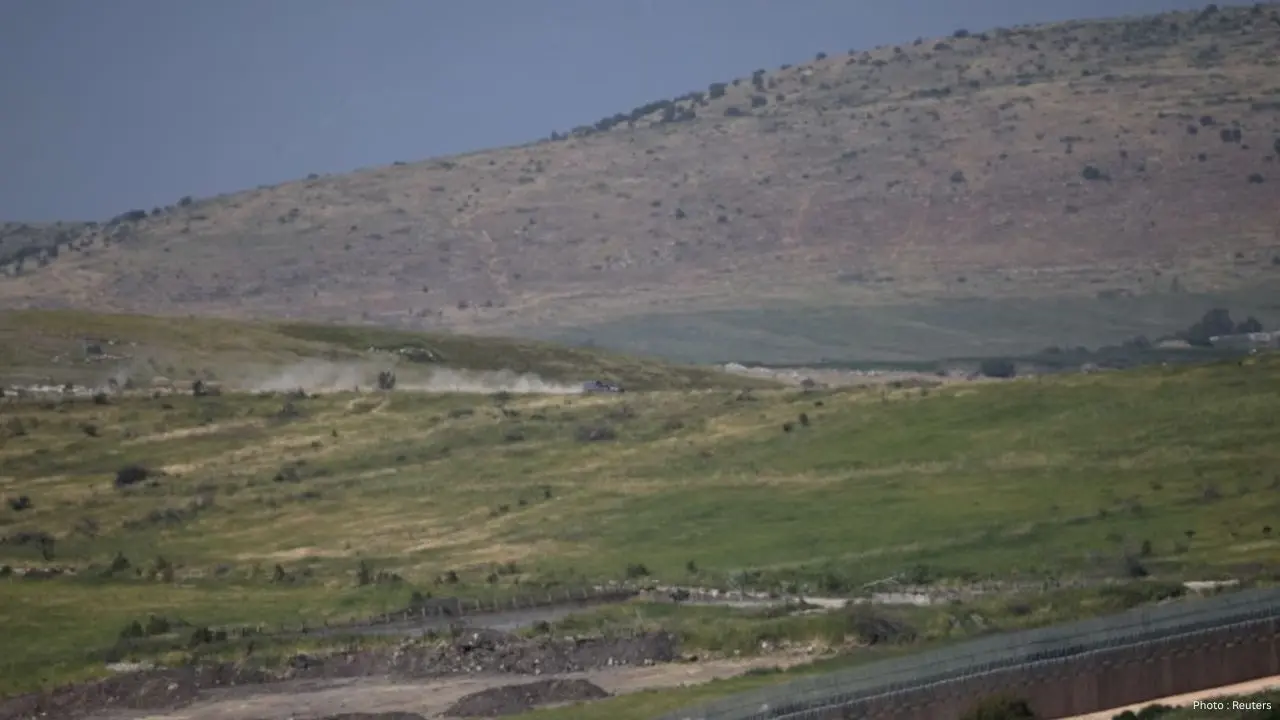
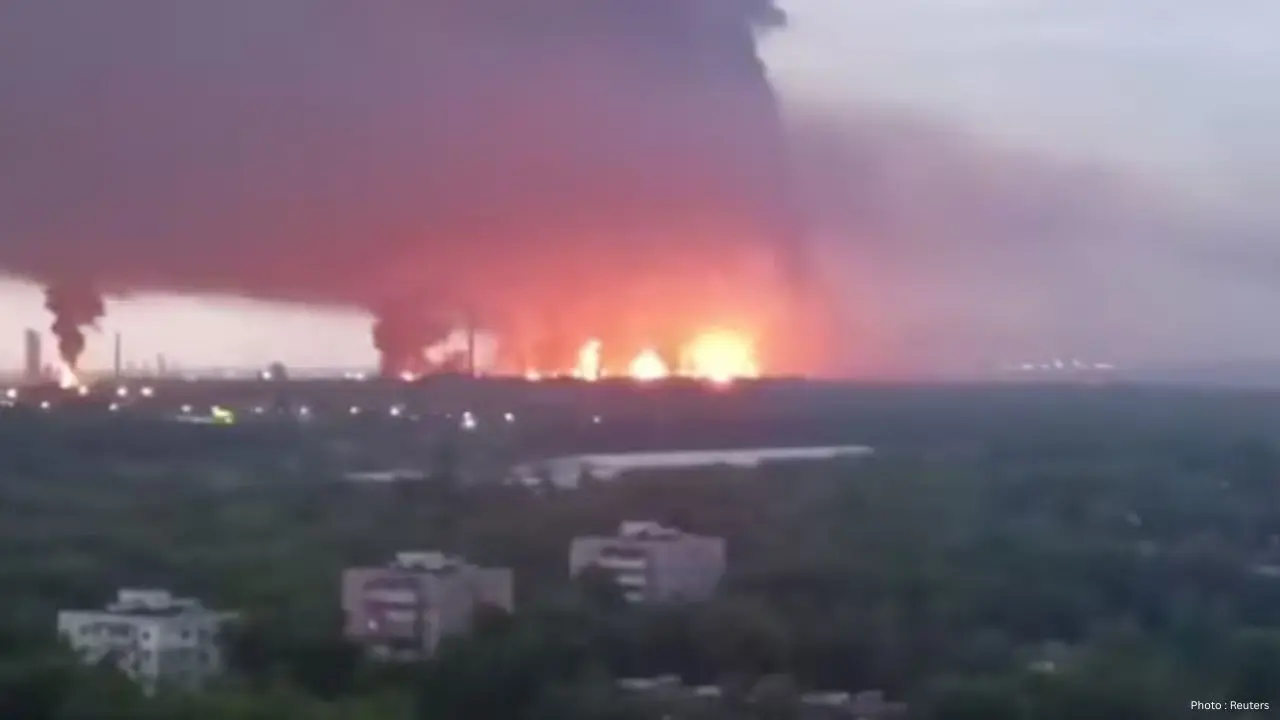
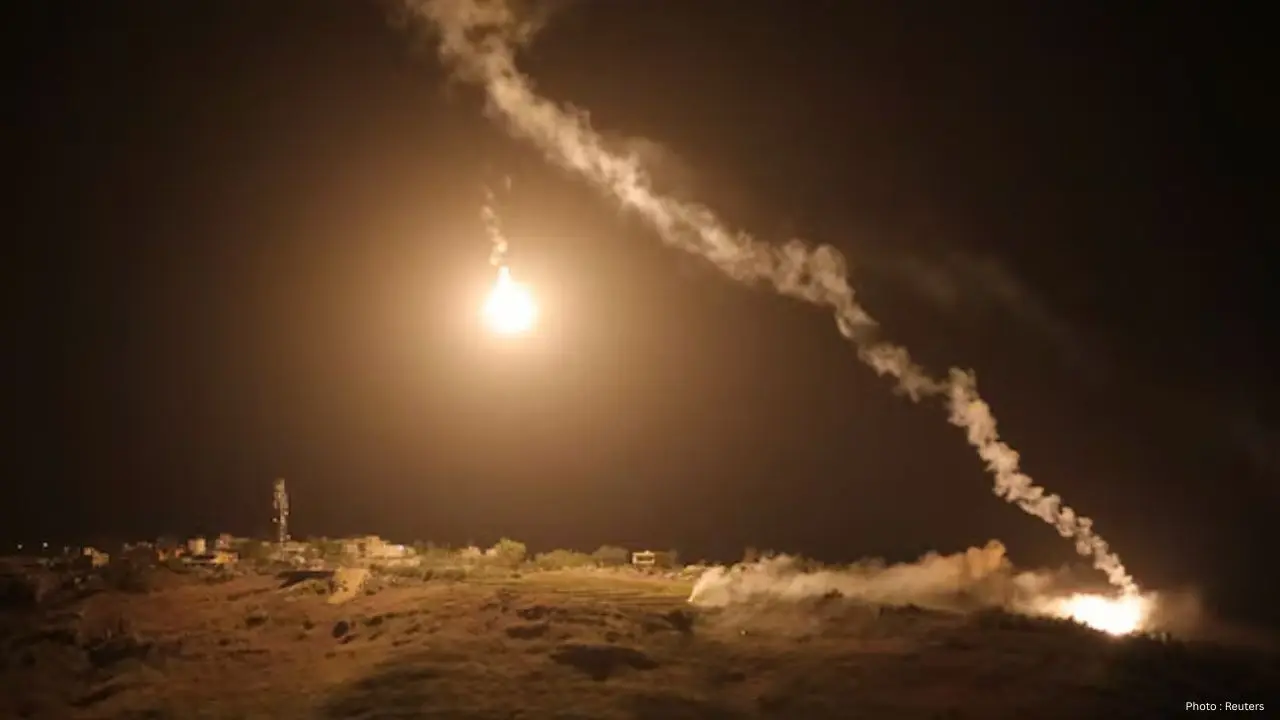
Many Gulf states are cautious about Iran due to ongoing frictions over regional influence, militia activities, and military postures. Nonetheless, numerous governments are also keen to avoid another significant conflict that could disrupt energy markets and economic stability.
The potential for a future nuclear agreement remains a highly delicate topic. Western nations have spent substantial effort trying to contain Tehran's nuclear program while Iran maintains its defense of the program as non-military. International negotiations have often been hindered by procedural delays and political divisions.
The current situation has reignited conversations about the U.S. role in Middle Eastern diplomacy. Trump promoted initiatives to forge ties between Israel and Arab nations during his administration, touting those agreements as significant diplomatic milestones. His team contended that such cooperation could foster long-term regional stability.
Nevertheless, many Palestinians and their advocates criticized the approach, arguing that vital issues regarding territory, sovereignty, and statehood were often overlooked. Public sentiment across various Arab nations continues to resonate strongly with Palestinian rights, making the issue politically fraught for regional authorities.
Political experts suggest that future moves towards recognizing Israel will hinge on various elements, including security conditions, economic factors, and the state of Palestinian leadership. Middle Eastern governments are closely monitoring conversations regarding Iran, given that any agreement could alter current strategic partnerships.
Economic motivations play an essential role too. A number of Gulf countries are heavily investing in tourism, technology, infrastructure, and diversifying trade, aiming for a future less reliant on oil sales. For these nations, diplomatic stability is crucial for attracting foreign investments and fostering business collaborations.
Despite rising political dialogue, numerous challenges remain. Ongoing conflicts, humanitarian issues, and historical splits continue to affect public discourse in the region. This necessitates that leaders maintain a careful equilibrium between international diplomacy and domestic political realities.
The recent report underscores the intertwined nature of Iran negotiations and Arab-Israeli relations. Whether these conversations will eventually lead to broader diplomatic engagements remains uncertain, but their impact is already evident in political discussions across the Middle East.