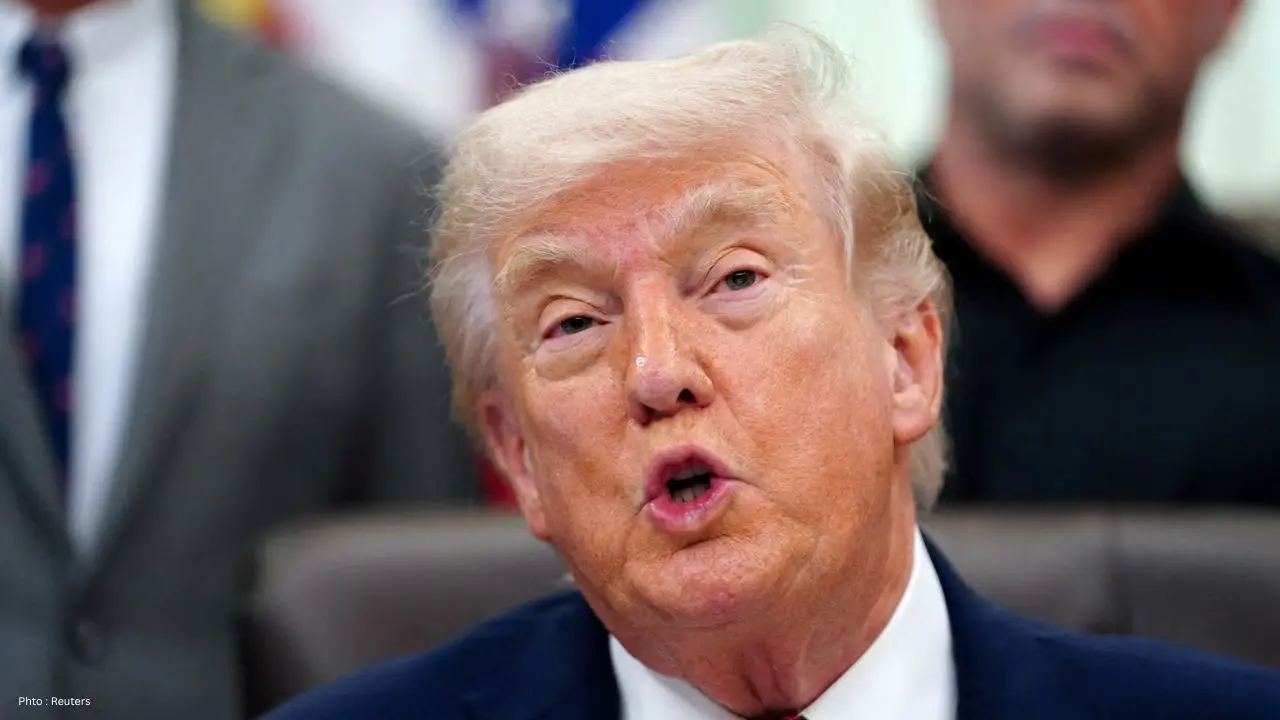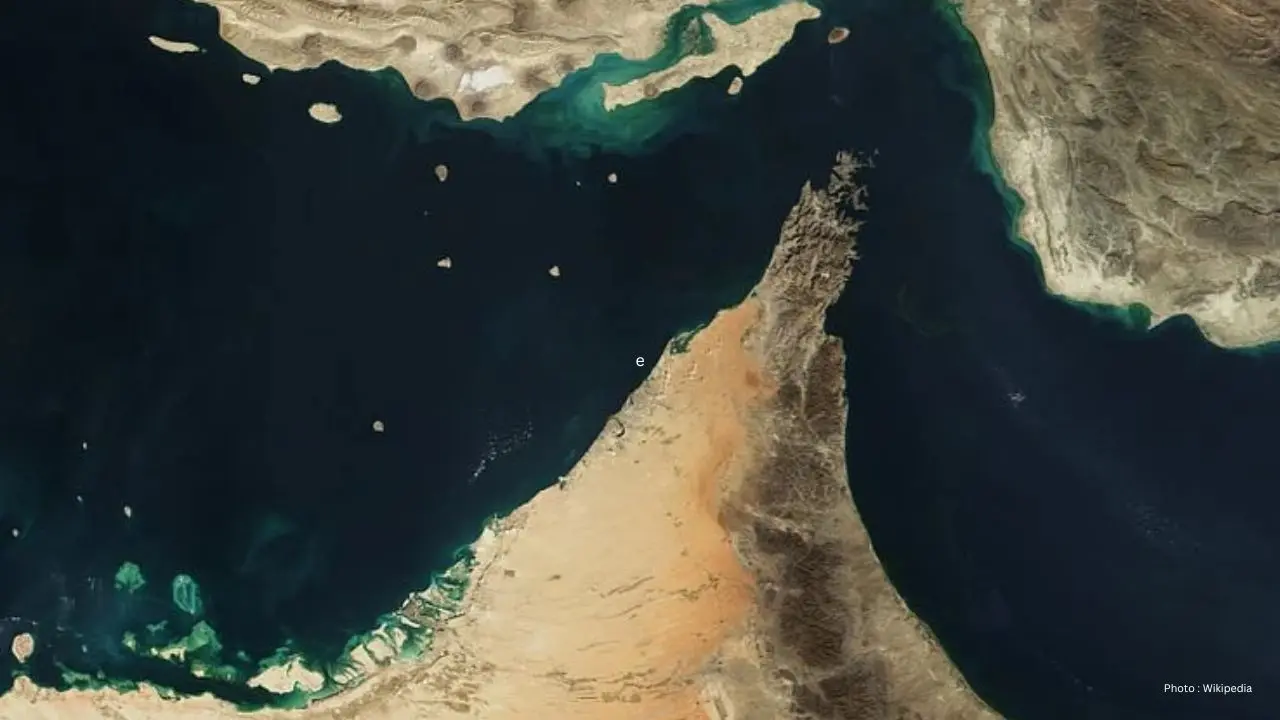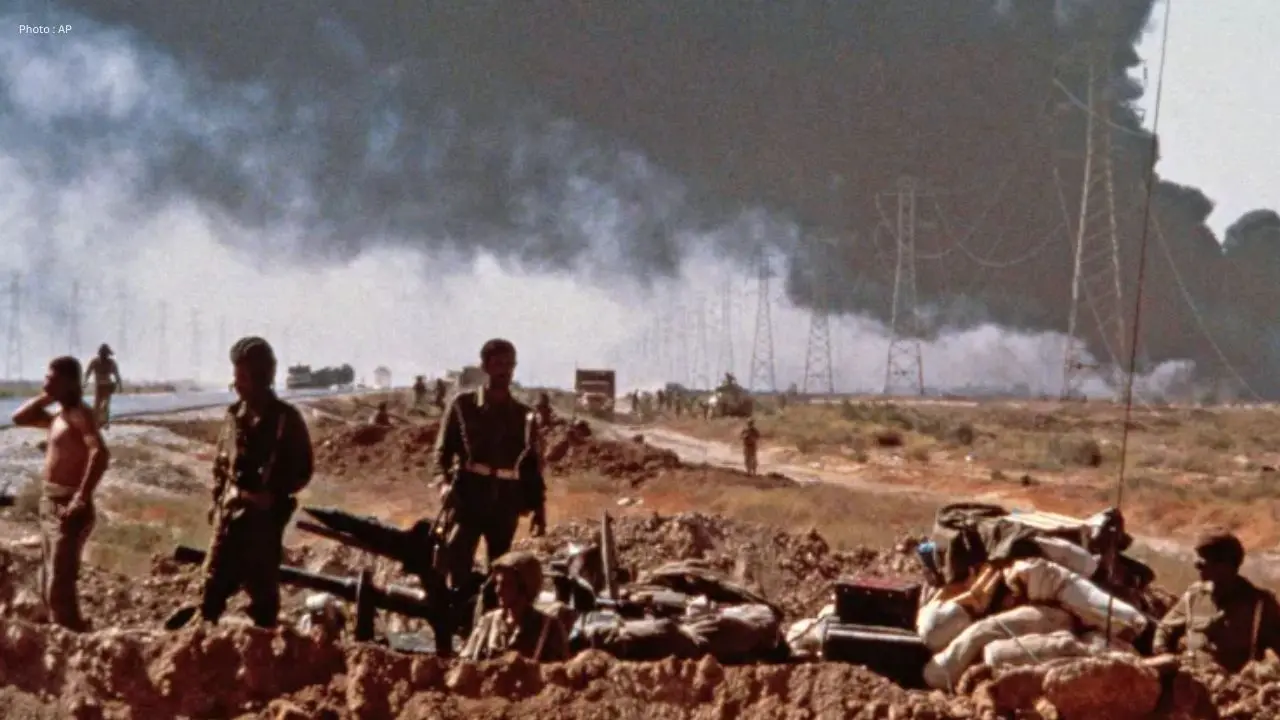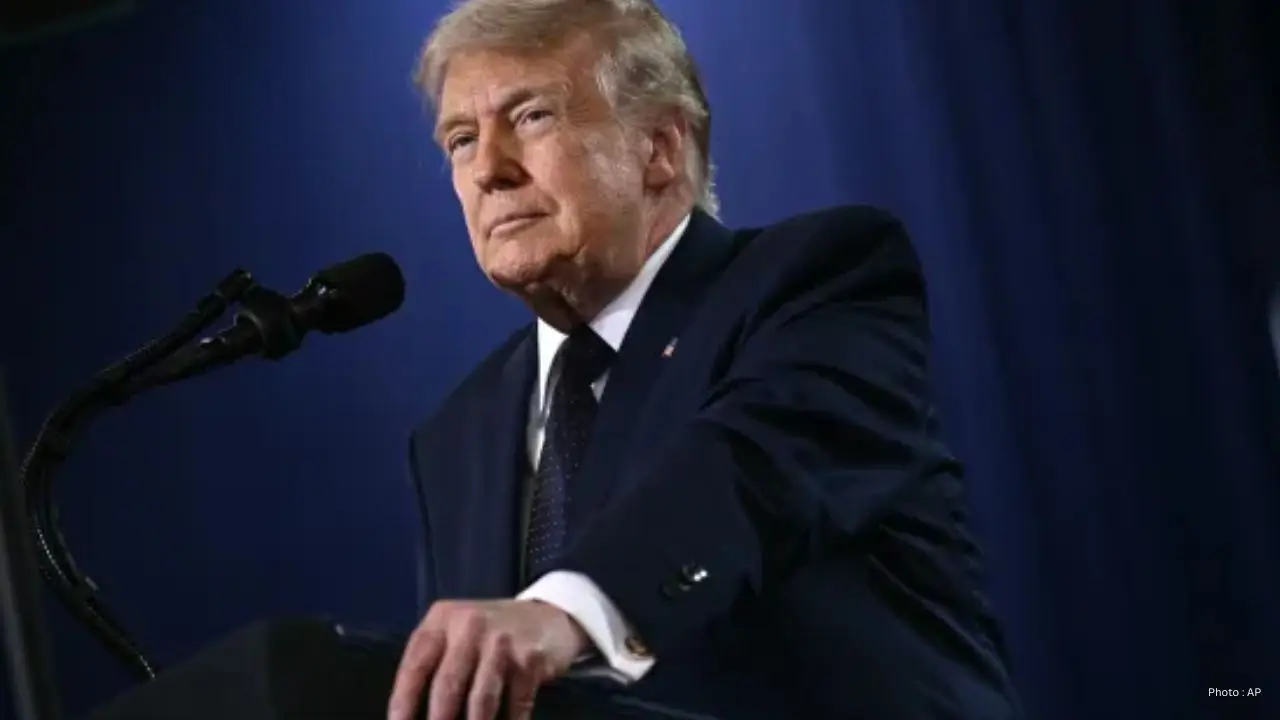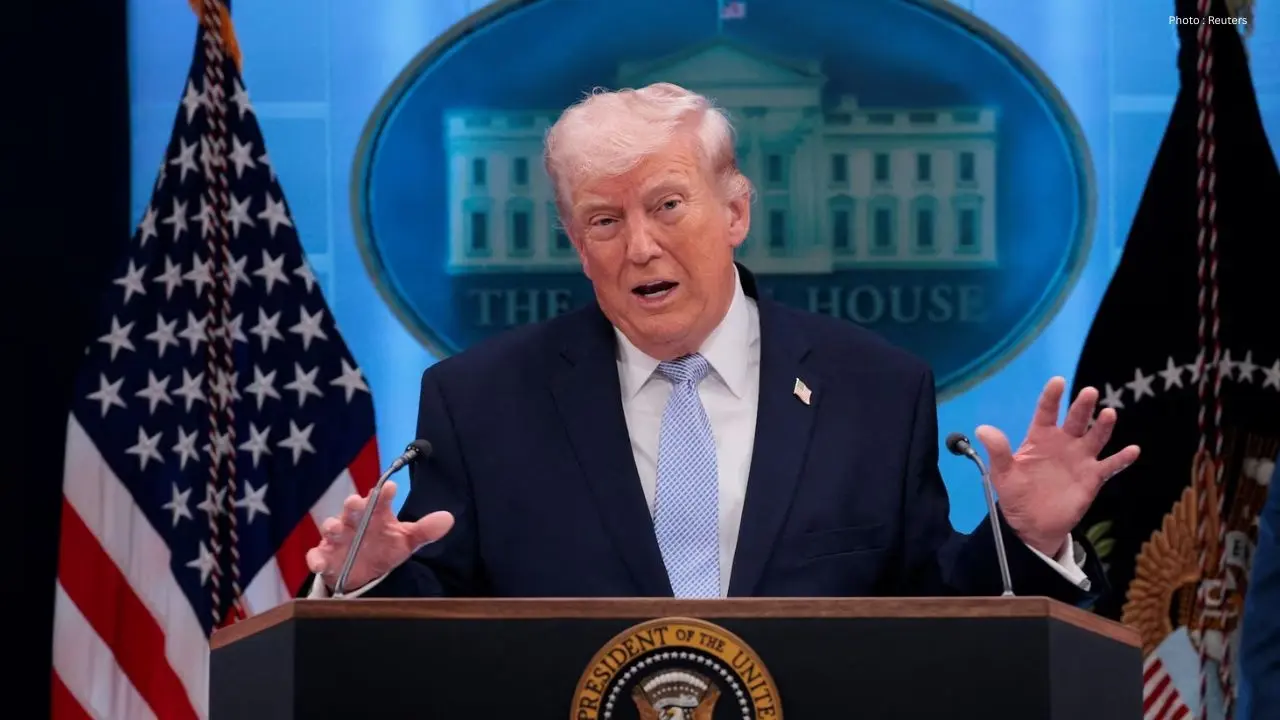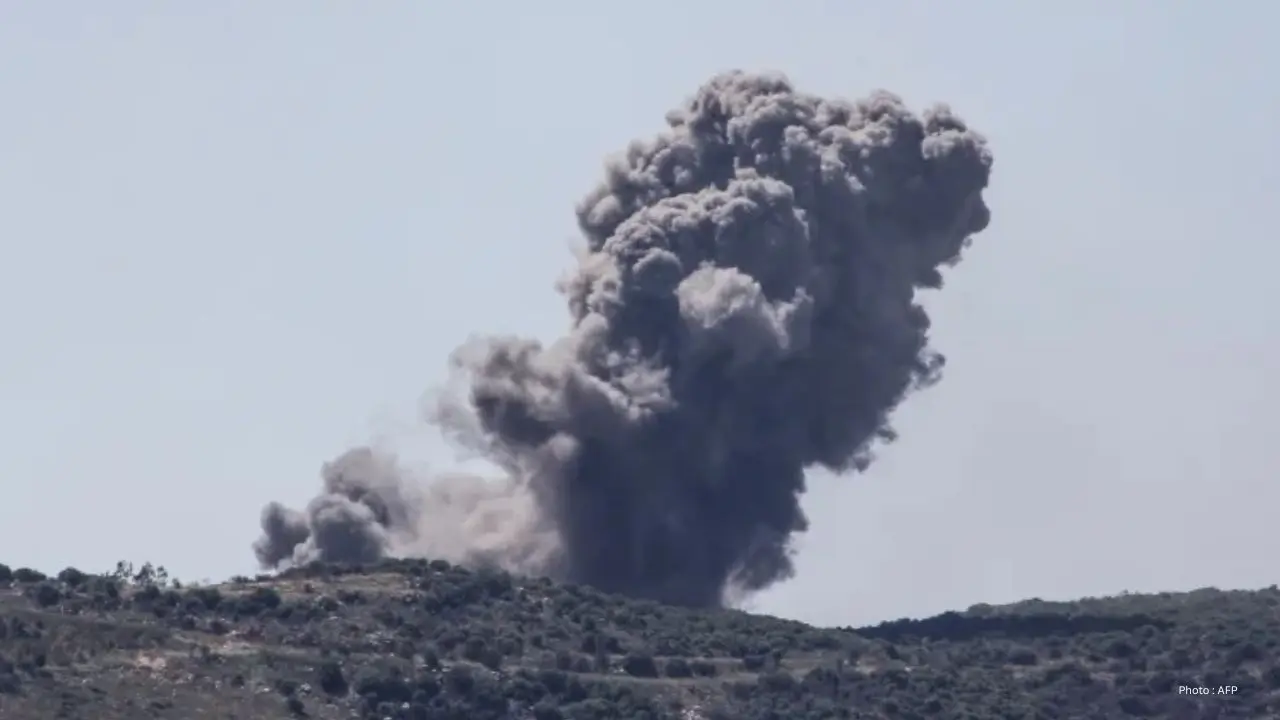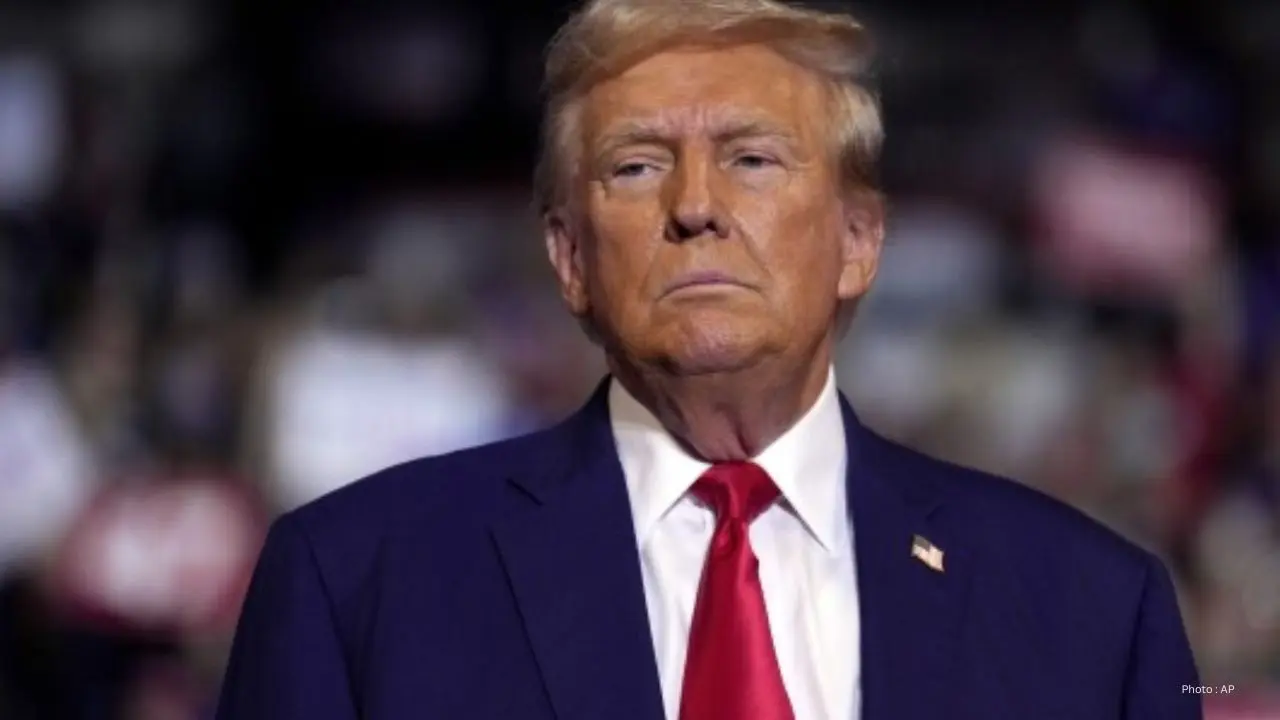
The escalation of tensions between the United States and Iran has reached a precarious juncture as diplomatic relations deteriorate. US President Donald Trump is now grappling with what experts label as a series of “less than favorable options” following unsuccessful peace negotiations with Iran. This escalating situation raises alarms over the potential for a broader regional conflict in the Middle East, particularly concerning the vital shipping corridor of the Strait of Hormuz, one of the globe’s busiest oil transit routes.
Recent talks between Washington and Tehran reportedly faltered when Iran dismissed critical US demands regarding its nuclear activities and missile development. Trump has publicly denounced Iran’s latest peace proposal, labeling it “completely unacceptable.” The US administration seeks stringent long-term restrictions on Iran’s uranium enrichment, while Tehran is requesting relief from sanctions and assurances on its security before making substantial concessions.
The stalled diplomatic efforts have intensified pressure on the White House. Analysts indicate Trump now finds himself with severely constrained alternatives. One possibility is to persist with diplomatic talks, despite meager progress and increasing tensions. A second option involves stepping up economic sanctions and military intimidation towards Iran, a course of action that could destabilize the region further. The most perilous choice would be to escalate military interventions, which could ignite a broader conflict drawing in multiple Middle Eastern countries and jeopardize global oil supplies.
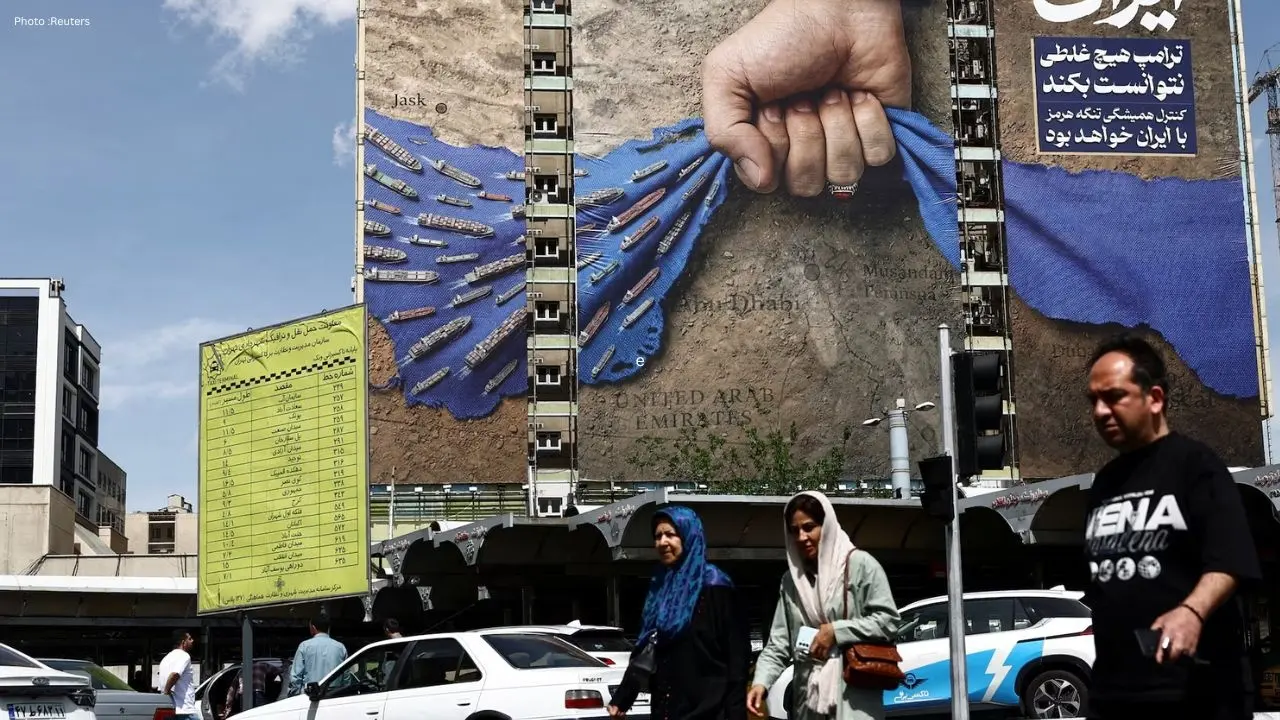
The Strait of Hormuz has emerged as a focal point of concern in this crisis. Iran has strengthened its foothold in the region, causing shipping disruptions that are already impacting international energy markets. Recently, oil prices have surged as traders express fears over supply disruptions should the conflict intensify further. Global shipping entities are also exercising greater caution in navigating the area due to heightened security threats.
Trump has consistently emphasized that his primary objective is to halt Iran's progression towards nuclear weapons development. Nonetheless, critics both within and outside the US argue that the administration’s stringent strategy may diminish prospects for peaceful resolution. Some experts in foreign affairs contend that ongoing military pressure could compel Iran to retaliate more forcefully rather than engaging in meaningful negotiations.
The conflict is escalating political pressures domestically as well. Reports indicate that many Americans are anxious about rising fuel costs, inflation, and the threat of yet another prolonged military engagement overseas. In spite of these mounting concerns, Trump has publicly reaffirmed his commitment to national security and halting Iran’s nuclear agenda as his top priorities.
International leaders are closely monitoring developments in the situation, with many countries advocating for a return to diplomatic talks before tensions spiral further out of control. Experts caution that even a minor military confrontation in the Gulf could swiftly unleash broader instability, jeopardizing the already fragile global economy. As the failure of negotiations persists, the ongoing struggle between Washington and Tehran stands as one of today's most daunting geopolitical challenges.