The New Home-Buying Formula Everyone Should Know Before Investing in 2026
The real estate market in 2026 is very different from what buyers experienced even a few years ago. Prices are rising in some regions, stabilizing in others, and interest rates continue to shift based on global economic movements. Traditional buying advice—such as purchasing based only on location or relying solely on long-term appreciation—no longer works. Buyers today need a smarter, data-backed formula to avoid overpaying, stay financially safe, and secure properties with strong future value. This guide introduces the new home-buying formula that every smart buyer should follow in 2026 before making an investment.
Why the Old Rules of Buying Property No Longer Work
The real estate market is now influenced by new trends: remote work, shifting population density, unpredictable loan rates, and technology-driven valuations. Many homes are overpriced simply because buyers are unaware of their real value.
Key Reasons Old Advice Fails Today
Sellers price aggressively based on hype, not demand.
Online valuations can be misleading or outdated.
Inventory levels change faster than traditional analysis methods.
Buyers who rely on emotional decisions pay more than necessary.
The new formula helps you stay protected from overpriced listings and risky investments.
The 2026 Home-Buying Formula: The “3–2–1” Framework
Modern property experts are using a simple, effective structure to evaluate whether a property is worth investing in. The framework helps buyers assess value, affordability, growth potential, and risk in one method.
The Breakdown
3: Three checks for financial readiness.
2: Two tests for property value.
1: One absolute non-negotiable rule.
Following this ensures you never purchase blindly or emotionally.
Step 1: The Three Financial-Readiness Checks
Before considering any property, you must evaluate your financial foundation.
1. Monthly EMI Should Not Exceed 28 Percent of Your Net Income
This ensures loan repayments remain comfortable even during emergencies or job changes.
2. Emergency Fund of Six Months of Living Expenses
Unexpected financial pressure is common after buying a home. Repairs, relocation, or furnishing costs can disrupt your budget if you are not prepared.
3. Loan Pre-Approval Before Market Search
Pre-approval shows how much you can borrow and prevents overextending. It also strengthens your negotiation position with sellers.
Step 2: The Two Property Value Tests
Once your financial readiness is confirmed, evaluate the property’s true worth using these two tests.
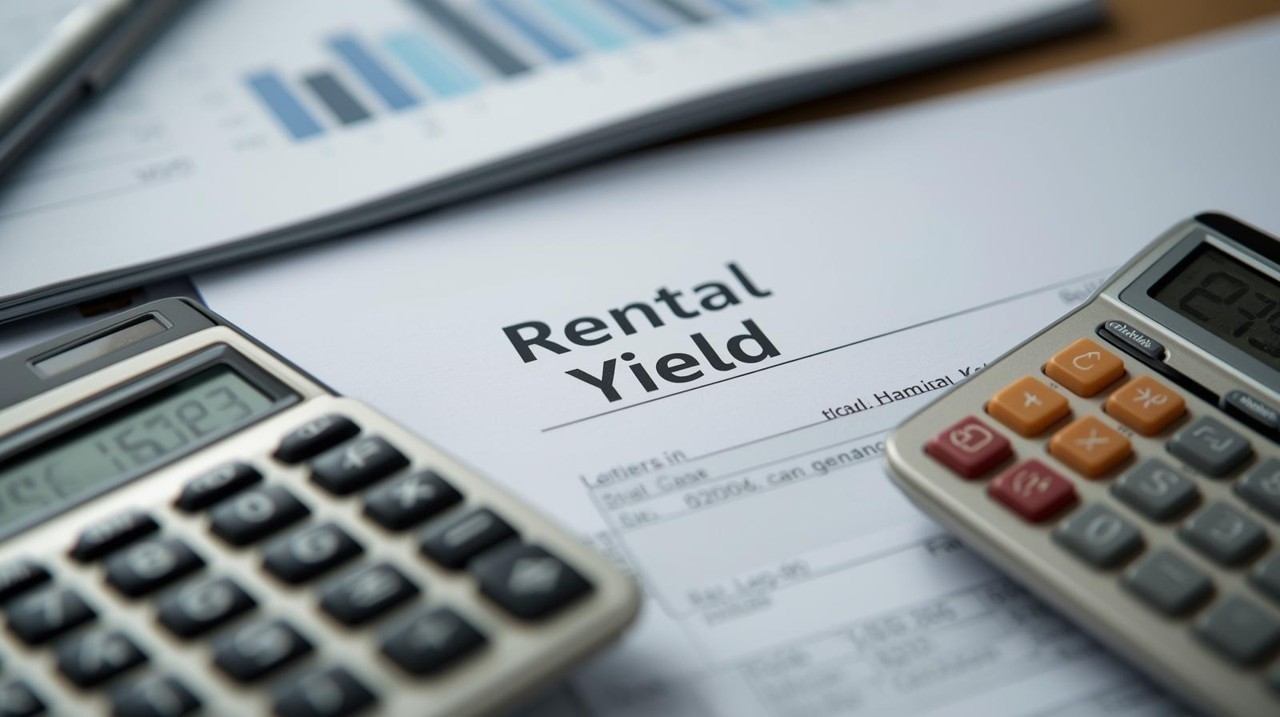
Test A: The Rental Yield Formula
Rental yield helps determine whether the property price is justified.
Rental Yield = (Annual Rent ÷ Property Price) × 100
In 2026, anything below 3 percent generally indicates an overpriced property in urban cities. A yield of 3 to 5 percent is acceptable, and 5 percent or above is strong value.
Test B: The 10-Year Growth Projection
Instead of guessing, analyse the area’s:
Upcoming infrastructure (metro lines, expressways, new airports).
Population growth, job hubs, and commercial development.
Supply-demand ratio.
A high-growth zone shows stable long-term appreciation and safer investment outcomes.
Step 3: The One Non-Negotiable Rule—Never Buy an Emotion-Driven Property
Emotion is the biggest reason buyers overspend.
Why This Rule Matters
People fall in love with interiors and ignore structural issues.
They rush because of fear of missing out.
They accept inflated prices due to emotional attachment.
A property may look beautiful but still be a bad investment.
Always make the decision based on numbers, not excitement.
Hidden Costs That Buyers Often Forget in 2026
Even smart buyers overlook additional expenses that quickly add up.
Common Hidden Costs
Maintenance fees in high-rise buildings.
Parking charges, electricity deposit, and registration fees.
Loan processing fees, insurance, and possible renovation.
When these are ignored, total expenses exceed the planned budget, leading to financial pressure.
Why Location Still Matters—But Differently Than Before
In 2026, the best locations are not traditional city centers.
New Definition of Prime Location
Areas near upcoming tech hubs.
Locations with strong rental demand from young professionals.
Neighbourhoods near new transport routes.
An area with improving infrastructure is more valuable than a saturated city-center location with slow growth.
Using Technology to Make Smarter Buying Decisions
Modern tools can help you analyse market prices, compare neighbourhood trends, and identify undervalued properties.
Useful Digital Approaches
Digital valuation calculators.
AI-powered price prediction tools.
Online community and crime data maps.
These tools reduce the risk of buying in a declining or overpriced area.
Why Off-Plan Properties Are Becoming Popular in 2026
Off-plan properties offer lower initial prices and flexible payment plans.
Advantages
Longer payment windows.
Higher appreciation potential.
Better layouts and modern amenities.
But buyers must verify developer history, project approvals, and delivery timelines before committing.
The Smart Buyer’s Shortlist Strategy
Instead of viewing unlimited options, narrow down your choices to a manageable list.
Shortlist Structure
Two properties with strong value.
One property with high potential future appreciation.
One backup property for negotiation flexibility.
This avoids confusion and helps you compare more clearly.
Final Thoughts
The real estate market in 2026 rewards buyers who use a data-driven approach rather than emotional decisions. The 3–2–1 formula gives a clear pathway: prepare financially, evaluate property value objectively, and follow one non-negotiable rule to stay protected. Whether buying your first home or investing in a second property, this formula keeps you safe from overpriced deals and ensures long-term stability.
Disclaimer
This article offers general informational guidance on property buying and investment strategies. Real estate markets can vary between regions and may change based on economic conditions, developer performance, and local regulations. Readers should evaluate their personal financial situation and consult qualified real estate or financial professionals before making investment decisions.