The Real Cost of Living in “Premium” Societies No One Tells You
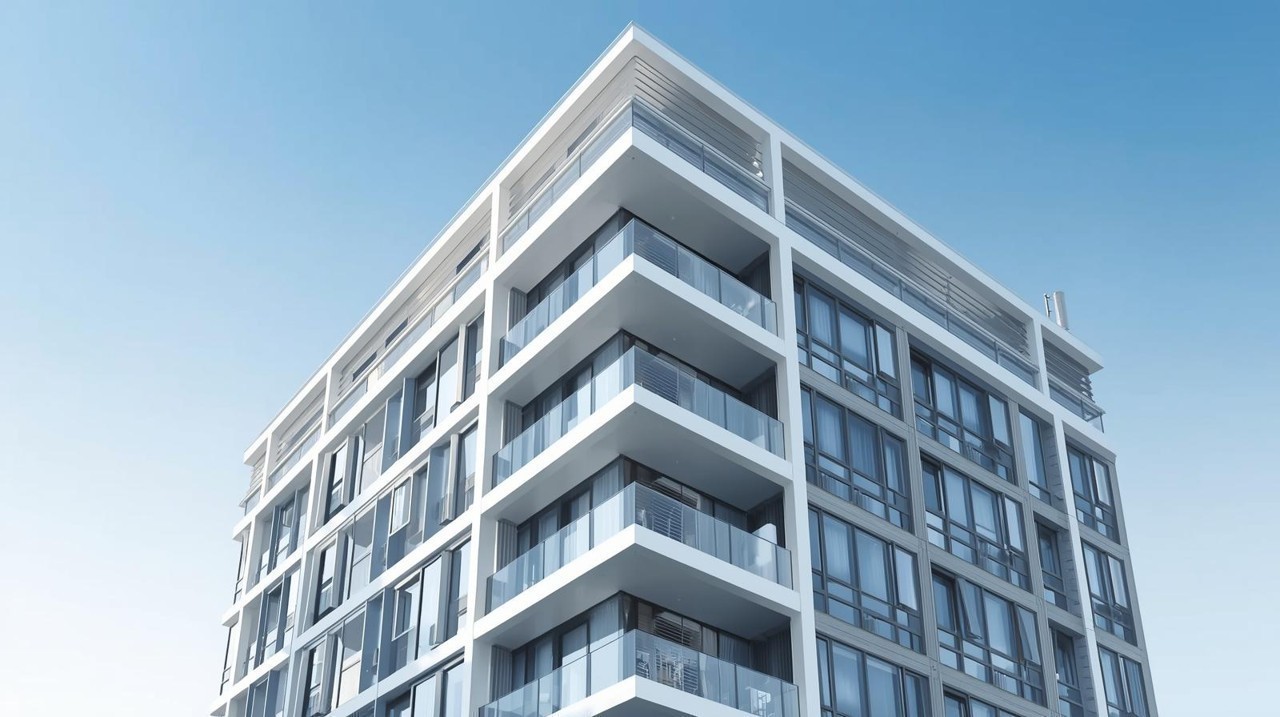
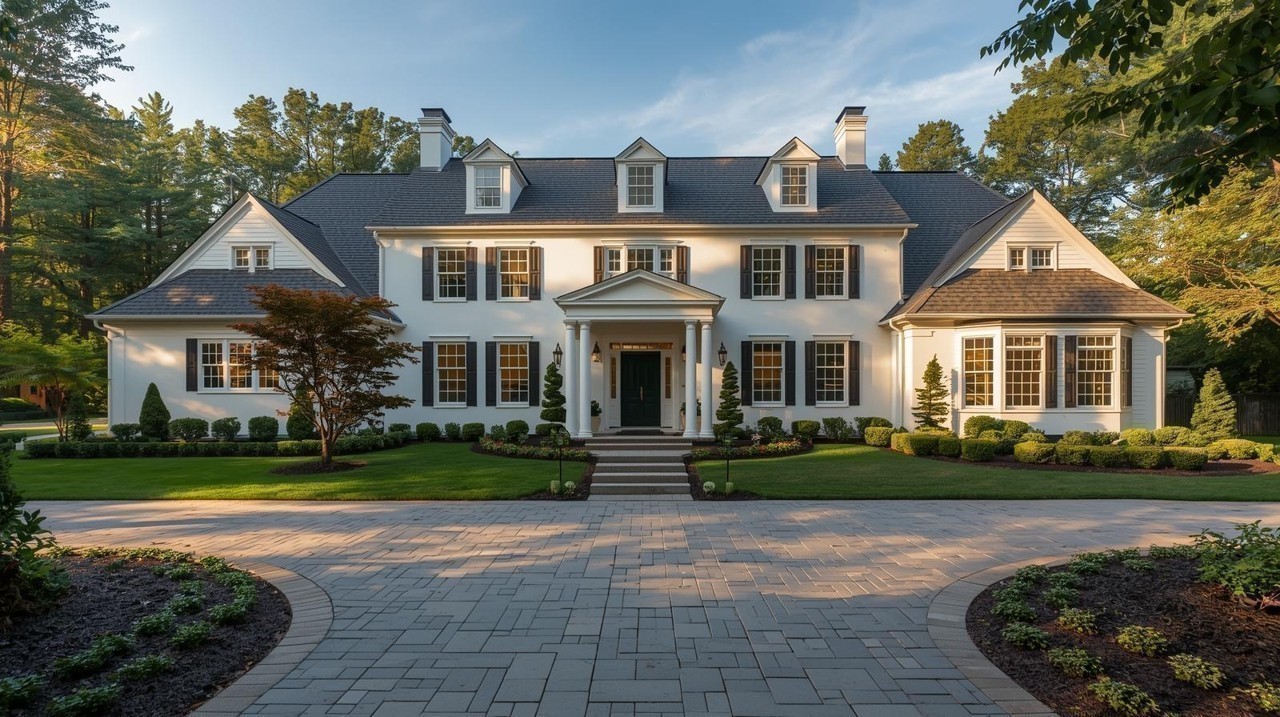
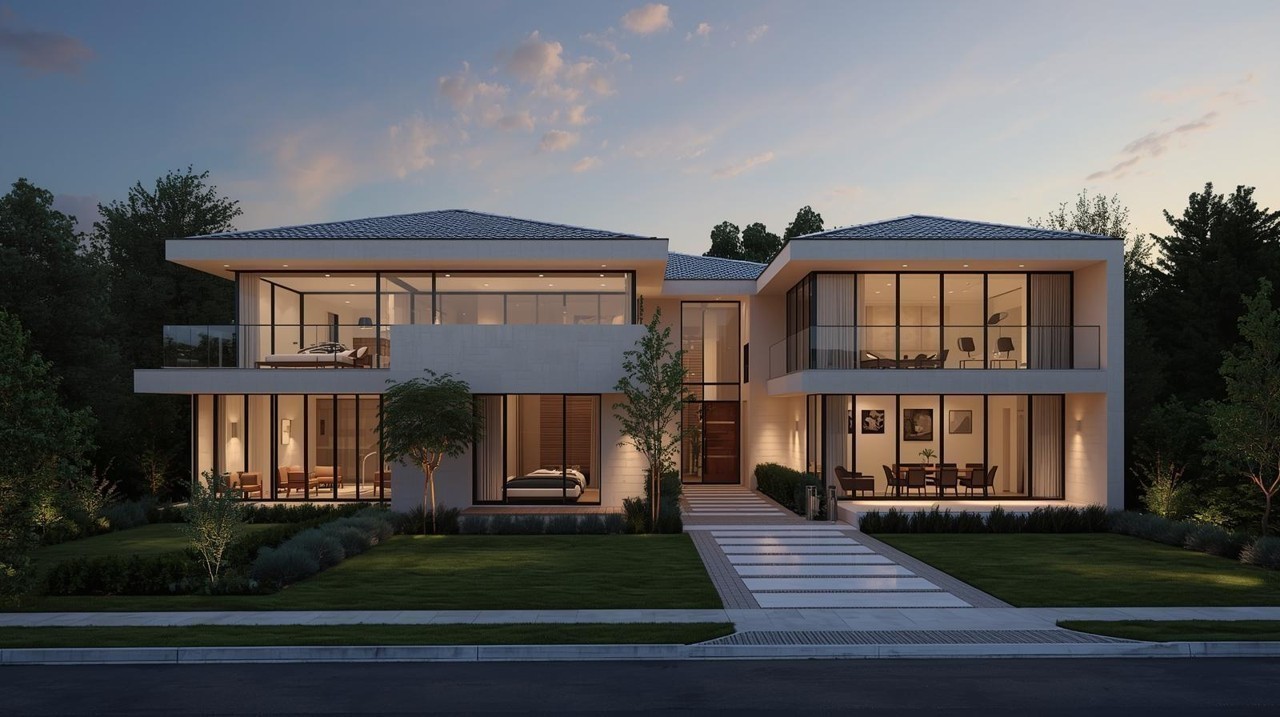
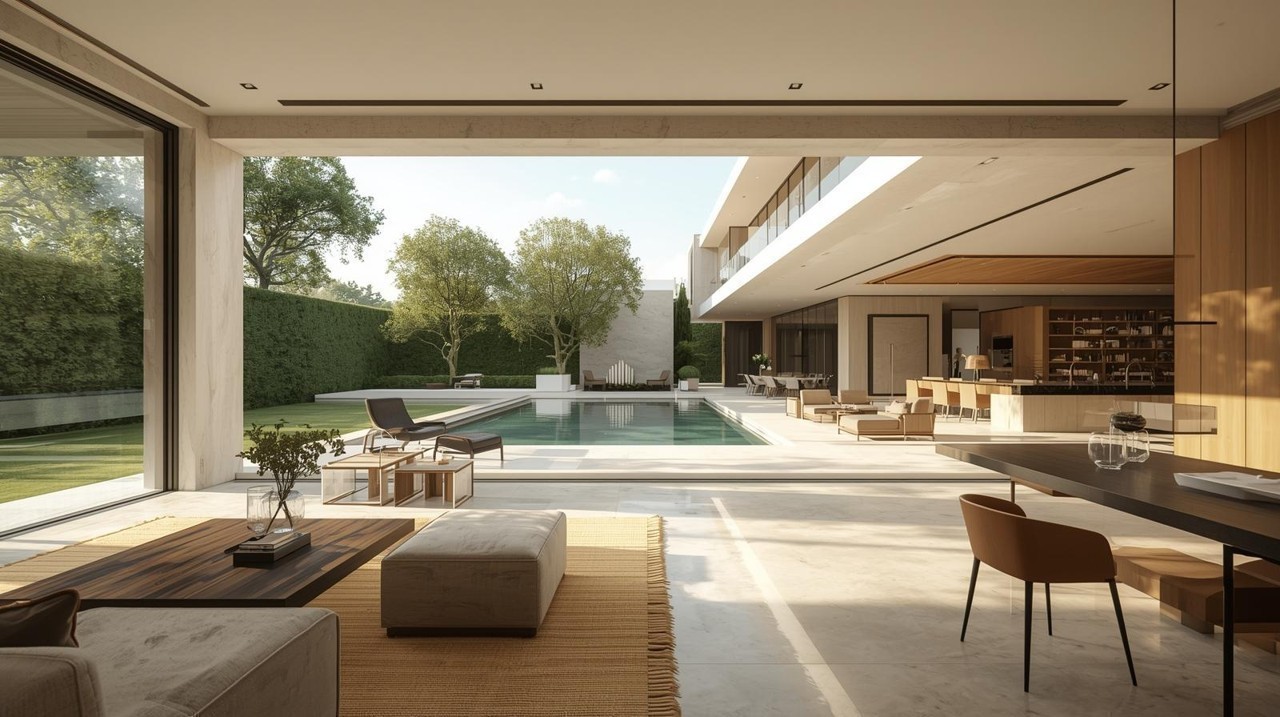
Living in a premium residential society is often marketed as the ultimate upgrade in lifestyle. Gated entrances, landscaped gardens, clubhouses, gyms, pools, security, and modern interiors create an image of comfort, status, and convenience. On paper, it looks like a smart decision—especially for families, professionals, and investors.
But what brochures, sales agents, and glossy ads rarely explain is the true long-term cost of living in these so-called premium societies. Beyond the purchase price or rent, there are recurring, hidden, and lifestyle-driven expenses that significantly affect monthly budgets and long-term financial stability.
This article breaks down the real, often ignored costs of premium society living, helping you understand whether the lifestyle truly matches your financial reality.
Why Premium Societies Appear More Attractive Than They Really Are
Premium societies are designed to sell a feeling, not just a home.
They promise:
-
Safety and privacy
-
Social status
-
Convenience within the complex
-
A “better environment” for families
-
Long-term property appreciation
While some of these benefits are real, many come with financial trade-offs that most residents only realize after moving in.
Monthly Maintenance Charges: The Silent Expense
One of the biggest ongoing costs is monthly maintenance.
What maintenance fees usually include
-
Security staff salaries
-
Lift maintenance
-
Generator and power backup costs
-
Landscaping and gardening
-
Clubhouse and gym upkeep
-
Cleaning of common areas
-
Society management fees
In premium societies, maintenance charges are significantly higher due to larger amenities and staffing requirements.
Why this cost keeps increasing
-
Rising electricity and fuel prices
-
Salary hikes for staff
-
Repair of aging infrastructure
-
Addition of new facilities
Maintenance fees rarely remain stable. They increase every year, regardless of whether your income does.
Clubhouse and Amenity Costs Beyond Maintenance
Many residents assume amenities are fully covered under maintenance. That is rarely true.
Additional charges residents face
-
Gym membership fees
-
Swimming pool usage charges
-
Sports court booking fees
-
Event hall rental
-
Fitness classes or trainers
These add-ons turn “free amenities” into pay-per-use services, increasing monthly lifestyle spending.
High Electricity and Utility Bills
Premium homes often mean higher utility consumption.
Why utility bills rise
-
Larger apartment sizes
-
Centralized air conditioning
-
High-power elevators
-
Decorative lighting in common areas
-
Power backup charges during outages
Even energy-efficient buildings tend to have higher baseline consumption simply due to scale.
Parking and Vehicle-Related Costs
Premium societies usually enforce structured parking rules.
Hidden vehicle expenses
-
Separate parking purchase or rental
-
Charges for additional parking slots
-
Visitor parking fees
-
Maintenance of basement parking areas
-
Higher insurance costs for vehicles parked in enclosed spaces
For households with multiple vehicles, this becomes a recurring burden.
Furnishing and Interior Pressure
Living in a premium society creates social comparison pressure.
Why furnishing costs rise
-
Standard interiors look “out of place”
-
Pressure to match the society’s aesthetic
-
Modular kitchens, wardrobes, and fittings
-
Smart home upgrades
Many residents spend heavily on interiors just to feel aligned with their surroundings, often stretching budgets unnecessarily.
Lifestyle Inflation Inside Premium Communities
One of the most underestimated costs is lifestyle inflation.
How it happens
-
Frequent dining out with neighbors
-
Children’s activities and classes
-
Celebrations, parties, and events
-
Social obligations within the community
-
Upgraded services and conveniences
What starts as optional gradually becomes “normal,” increasing monthly expenses without conscious decisions.
Higher Costs for Domestic Help and Services
Premium societies often have regulated access for domestic staff.
Resulting cost impact
-
Higher wages demanded by staff
-
Limited availability of helpers
-
Fixed working hours
-
Mandatory background verification costs
Services like cleaning, repairs, and maintenance often cost more due to society rules and vendor tie-ups.
Schooling and Child-Related Expenses
Premium societies are often located near private or international schools.
The indirect pressure
-
Higher school fees
-
Paid extracurricular activities
-
Transport costs
-
Peer pressure among children
Parents often feel compelled to match the lifestyle standards of other families in the society.
Special Assessments and Surprise Charges
Beyond regular maintenance, societies occasionally raise special charges.
Examples include
-
Major repair funds
-
Lift replacement contributions
-
Clubhouse renovation costs
-
External compliance upgrades
These charges are often sudden and non-negotiable.
Resale and Rental Reality vs Expectations
Many buyers assume premium societies guarantee higher returns.
The reality
-
High maintenance reduces rental appeal
-
Renters negotiate harder due to ongoing costs
-
Resale prices depend more on location than amenities
-
Older premium societies lose novelty faster
Returns may not always justify the higher ownership cost.
Psychological Cost of “Premium” Living
Beyond money, there is a mental cost.
Common experiences
-
Constant comparison
-
Pressure to upgrade lifestyle
-
Financial stress hidden behind appearances
-
Reduced financial flexibility
A premium address does not always equal peace of mind.
When Premium Society Living Makes Sense
Despite the costs, premium living can be worthwhile if:
-
Income comfortably exceeds fixed expenses
-
Maintenance fits long-term budgets
-
Amenities are genuinely used
-
Lifestyle choices remain controlled
-
Emergency savings are unaffected
The key is alignment, not aspiration.
How to Decide Before Moving In
Ask the right questions
-
What is the current maintenance and past increase rate?
-
Are amenities included or charged separately?
-
What special assessments have occurred before?
-
How flexible are society rules?
-
What is the actual monthly cost of living here?
Calculate total cost, not just EMI or rent
True affordability includes:
-
Maintenance
-
Utilities
-
Lifestyle spending
-
Long-term commitments
The Real Truth About Premium Societies
Premium societies sell convenience, comfort, and status—but they also lock you into a higher cost structure. The danger lies not in the cost itself, but in underestimating it.
People who thrive in premium societies are not those who earn the most—but those who plan realistically, spend consciously, and resist lifestyle pressure.
Final Perspective on Premium Living
A premium home should improve your quality of life, not quietly strain your finances. Before choosing such a lifestyle, it’s essential to look beyond aesthetics and ask whether the total cost supports your long-term goals, savings, and peace of mind.
Smart living is not about where you live—it’s about how well your life works financially.
Disclaimer
This article is intended for informational and educational purposes only and does not constitute financial, legal, or real estate advice. Actual costs of living in premium residential societies vary based on location, management policies, market conditions, and individual lifestyle choices. Readers are advised to conduct independent research and consult qualified professionals before making housing or financial decisions.