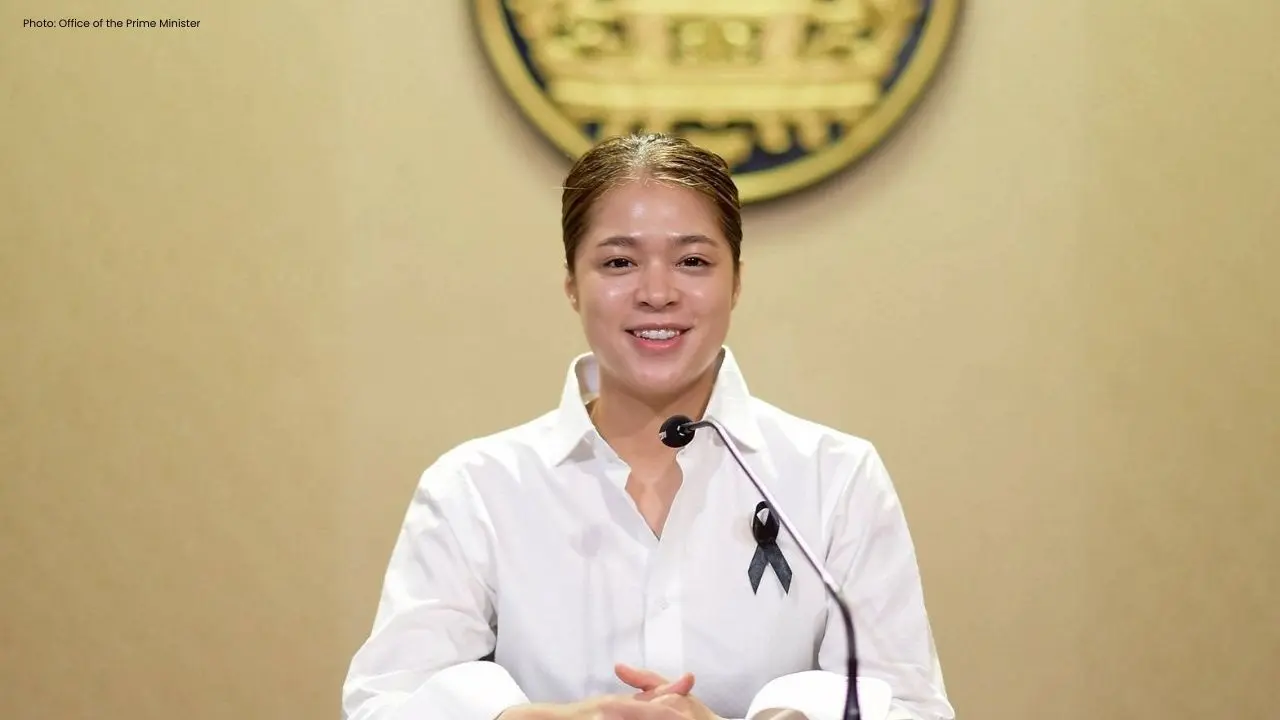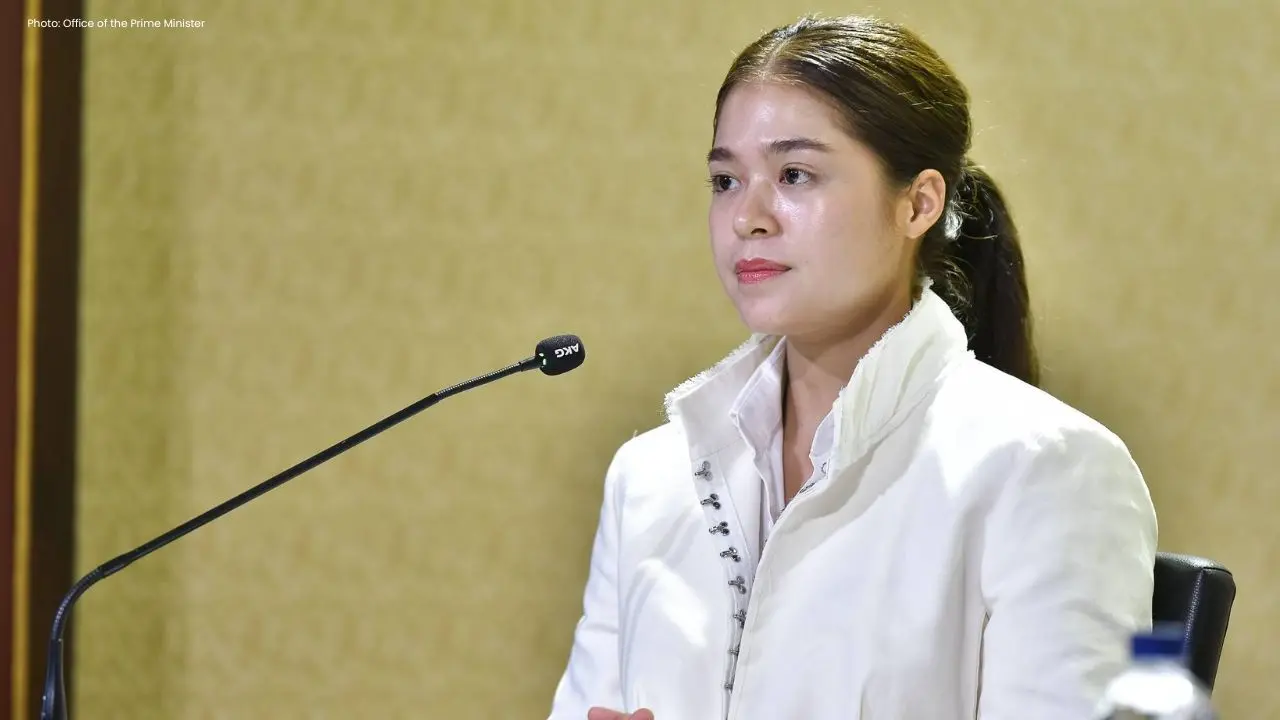
The Thai government has reassured citizens that its universal healthcare payment framework is robust and transparent, addressing social media worries about hospital funding delays. On May 8, 2026, Deputy Spokesperson Ms. Ploytale Laksmisangchan confirmed that the National Health Security Office (NHSO) is consistently transferring healthcare funds in line with established schedules and criteria.
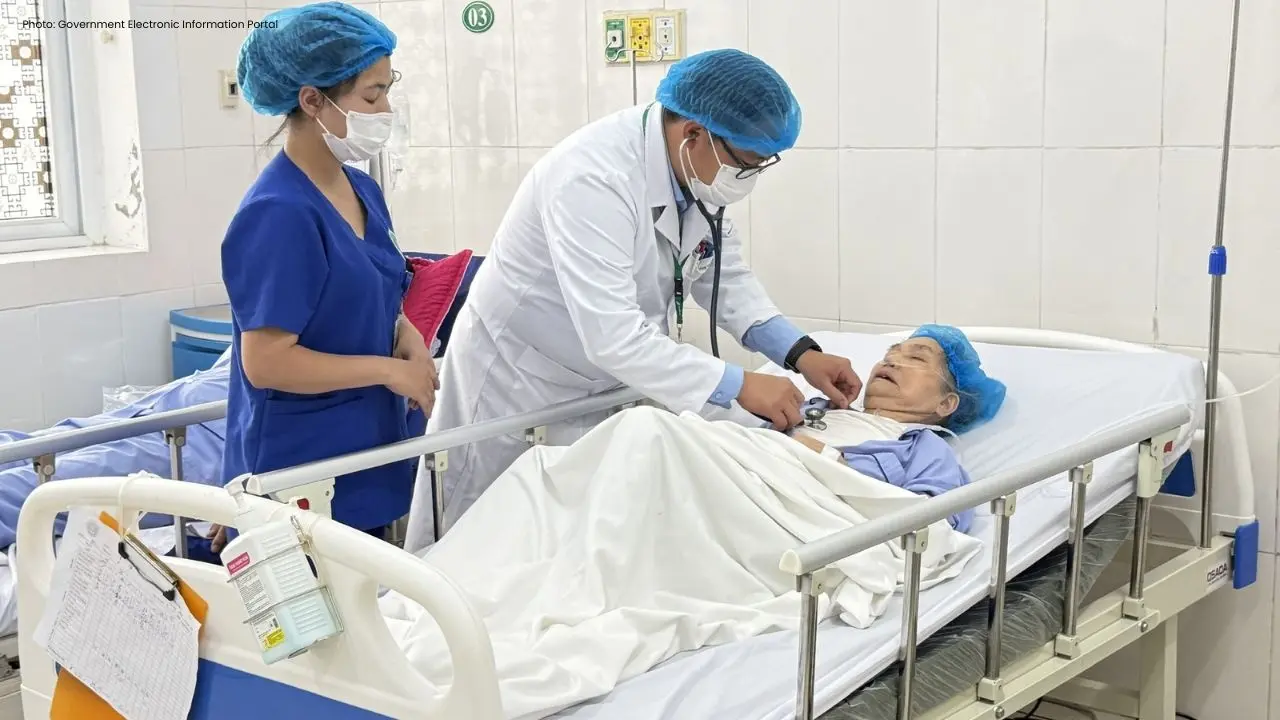
This assurance was made following online claims that facilities under the universal healthcare 'gold card' scheme were being compelled to prepay treatment costs, causing financial difficulties and delayed reimbursements from the NHSO. The NHSO clarified that its payment framework utilizes various models depending on the type of service provided, adhering to clear regulations and verified processing.
As per NHSO guidelines, outpatient services and health promotion activities are funded by a capitation payment model termed OP-PP Cap, while inpatient care and complex medical services are reimbursed according to real service data submitted by healthcare providers using the OP-IP Fee Schedule. Officials affirmed that all payments undergo stringent verification before disbursement.
Official data indicates that Bangna 1 Hospital received 52.85 million baht from NHSO between fiscal year 2025 and May 6, 2026, with amounts of 13.59 million baht in 2025 and 39.26 million baht in 2026 covering a range of services, including outpatient treatments and renal therapy.
Mitpracha Hospital also benefitted significantly from NHSO support, receiving a total of 164.15 million baht during the same period, split into 66.96 million baht for 2025 and 97.19 million baht for 2026. Funding supported various areas such as outpatient and inpatient services, health promotion, specialized treatments, and medical investment.
Ms. Ploytale pointed out that over 217 million baht has been allocated to both hospitals collectively, explaining that the NHSO’s payment system facilitates continuous funding through multiple monthly cycles tailored to service categories and verification timelines. The government emphasized that payments have not been halted or significantly delayed, countering online speculation.
The government further pledged to safeguard patient care during imminent changes impacting Bangna 1 and Mitpracha Hospitals. Starting June 1, 2026, both institutions will cease to operate as primary healthcare units. However, a detailed transition plan is in place to ensure patients maintain their healthcare rights through nearby hospitals.
For instance, the 18,831 patients registered at Mitpracha Hospital will have their rights transferred to Phramongkol Thepmuni Hospital, with Rajpipat Hospital designated for specialized referrals. Similarly, the 22,365 patients from Bangna 1 Hospital will see their healthcare rights moved to Kluaynamthai 3 Hospital, equipped for comprehensive primary and ongoing care.
The government reiterated that all relevant agencies will coordinate to provide seamless healthcare services during the transition, assuring the public that ongoing treatments will not be affected and that the rights transfer process has been carefully orchestrated to maintain trust in Thailand’s universal healthcare system.