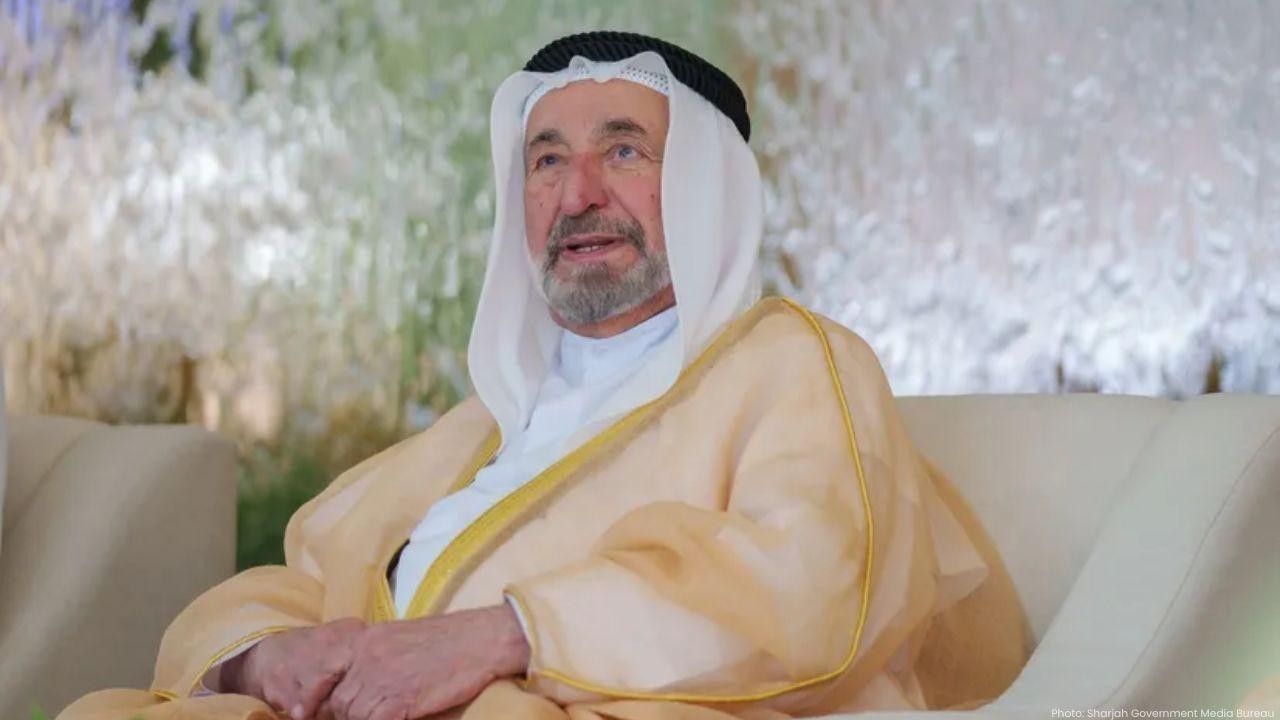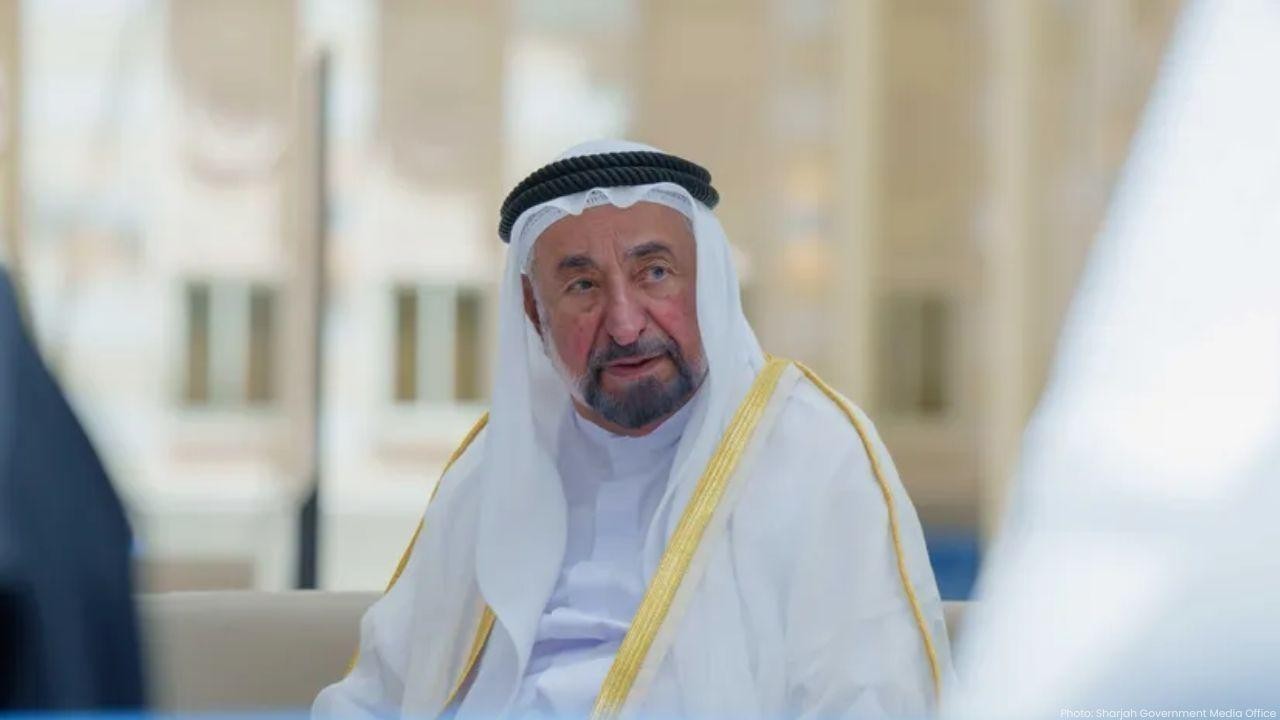
His Highness Sheikh Dr Sultan bin Mohammed Al Qasimi, Supreme Council Member and Ruler of Sharjah, once again showed his deep care and responsibility towards his people. In a recent telephone interview on the popular programme Direct Line on Sharjah Broadcasting Authority, he explained how he personally steps in to help families facing difficult situations, especially when children and women are involved.
During the programme, a woman called and requested the imprisonment of her ex-husband because he was unable to pay the child support that the court had ordered. Responding to this, His Highness made it clear that justice should not be harsh but fair, merciful, and thoughtful. He said that while there is a law, there is also the spirit of the law, which is equally important in making decisions about people’s lives.
Stay informed with the latest news. Follow DXB News Network on WhatsApp Channel
Supporting A Father Who Cannot Pay Child Support
His Highness revealed that he has taken responsibility for a citizen father who is separated from his wife and does not have enough money to pay the child support ordered by the court. Instead of letting the father go to jail, His Highness said that he himself would step in and help.
He explained that imprisoning a father who is already unable to provide for his children would only make things worse, as it would prevent him from working and earning money. He stressed that if the father is truly sincere and does not have the means to pay, then he, the Ruler of Sharjah, will take care of the matter. Judges are instructed to carefully verify the financial situation of each father before making a decision.
His Highness said:
"Some fathers are sincere but cannot pay. If we imprison them, how will they ever provide for their children? Why not involve me? If the father is truthful and has no means, I am responsible for him. These cases should be referred to me so that the family does not suffer."
The Importance Of Humanity In Law
The Sharjah Ruler explained that judges in Sharjah always study cases in detail before giving a judgment. They not only follow the law but also act with humanity, compassion, and mercy. He said that harsh words such as compulsory enforcement are no longer used in family-related court rulings. Instead, softer and more suitable words are chosen to respect the dignity of families.
He gave an example of a past case where a man divorced his wife, sold the family home, and then left the country. The wife and children were at risk of eviction. His Highness personally stepped in to ensure that the family would not be left without shelter. He ordered the Housing Department to provide the woman and her children with a fully furnished house, complete with electricity, water, and furniture.
When he saw the court order mentioning compulsory eviction, he rejected the term. He explained that children should never be removed from their home in such a harsh way. Instead, the term empowering the homeowner was used, and he directed that laws should be amended if needed to ensure fairness and kindness.
Fair Distribution Of Industrial And Commercial Land
During the same interview, His Highness also spoke about the distribution of industrial and commercial land in the city of Khorfakkan. Many citizens had requested land for business purposes, but His Highness clarified that land would only be given to people who have real expertise in those fields.
He explained that Khorfakkan needs industrial and commercial services such as blacksmithing, repair shops, and similar businesses. Giving land to citizens without skills would mean the land remains unused. Therefore, the government is allocating these plots only to people who are qualified and specialized.
He also mentioned that a large number of plots have already been distributed, and the remaining plots will be given once the government completes all ownership procedures. This ensures that the land is properly used to serve the people and benefit the city.
Law With Compassion: A Balanced Approach
His Highness reminded everyone that the role of judges is not simply about numbers or quick decisions. Unlike construction projects where 1 + 1 = 2, human cases involve emotions, families, and sensitive details. Judges must carefully study each case before ruling.
He explained:
"We instructed that judges should not be given dozens of cases at once. They need time to study every detail because these are people’s lives, not numbers on paper."
This balanced approach shows how Sharjah’s leadership combines the strictness of law with the kindness of compassion. It ensures that justice is delivered fairly without harming families.
People’s Happiness As A Daily Priority
The Ruler of Sharjah ended the interview by stressing that his main concern every day is the happiness and well-being of his people. He said that he and his government intervene in even the smallest details that affect citizens’ lives because their comfort and dignity are a priority.
"We intervene in the smallest details concerning people’s interests — this is our daily priority. This is how injustices are removed, and people find happiness."
He also reminded listeners that every good deed adds to one’s merits, and people should always strive to collect good actions for the future.
A Message Of Hope And Kindness
The words of His Highness Sheikh Dr Sultan bin Mohammed Al Qasimi highlight his role as not only a leader but also a father figure to the people of Sharjah. He shows that leadership is not about power but about responsibility, compassion, and fairness.
By supporting struggling families, replacing harsh legal terms with kinder language, and ensuring that resources like land are used wisely, His Highness proves that the true spirit of justice is built on humanity.
His actions give hope to citizens, especially those who face hardships, and reflect a model of governance where law and kindness walk hand in hand.