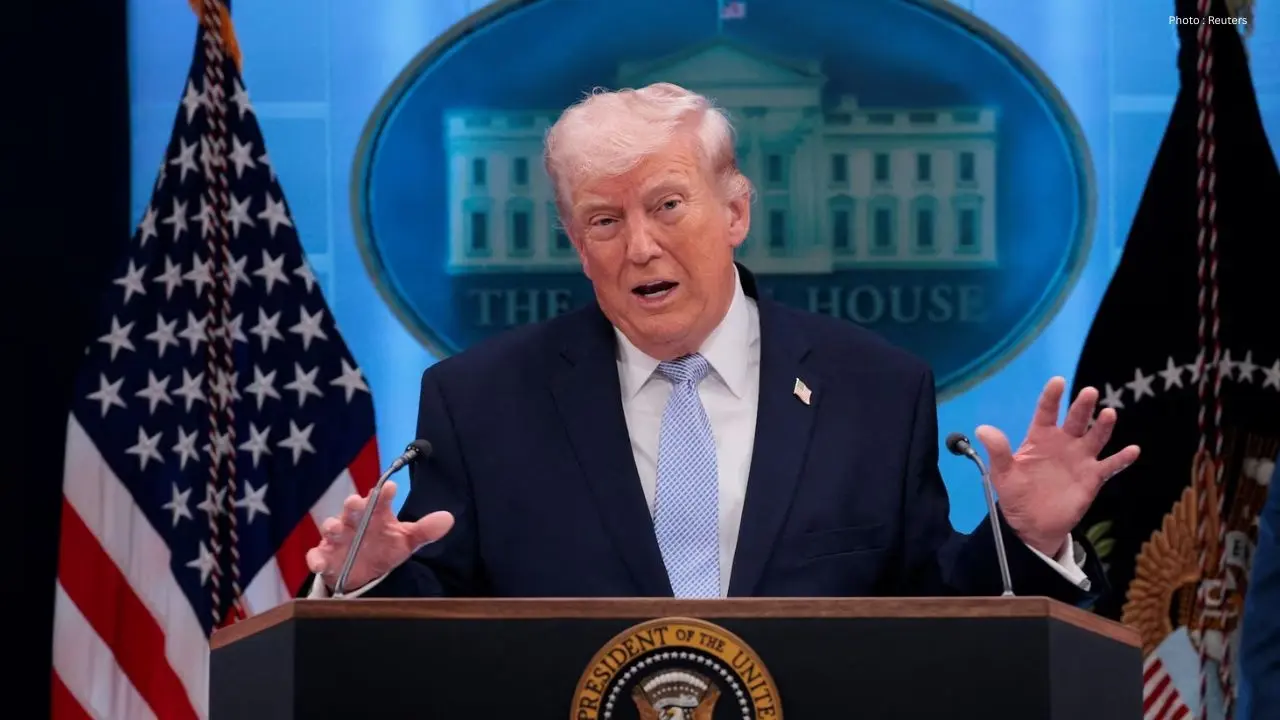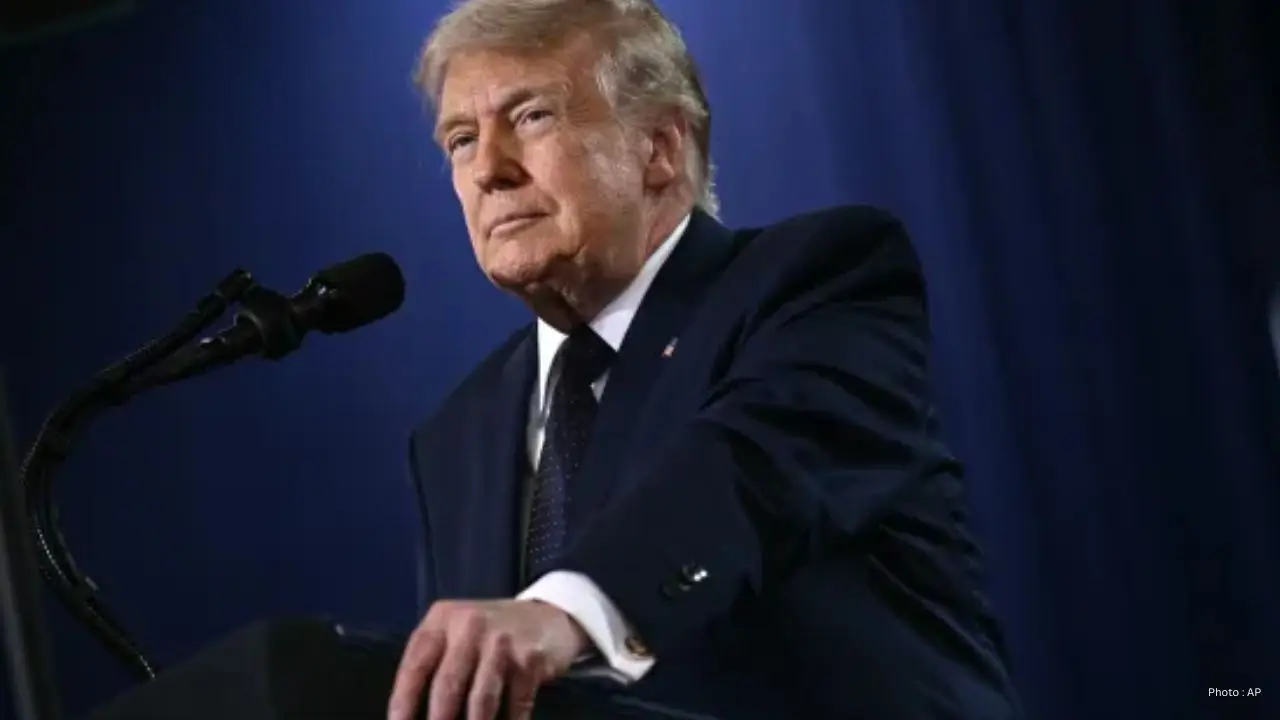
US Secretary of State Marco Rubio has asserted that President Donald Trump is “not going to settle for a subpar deal” regarding Iran, as negotiations progress toward a potential peace agreement connected to the Middle East conflict and the reopening of the Strait of Hormuz. Rubio emphasized that discussions are ongoing, describing the current proposal as “pretty solid,” but underscored that any agreement would need to safeguard US interests and enhance regional security.
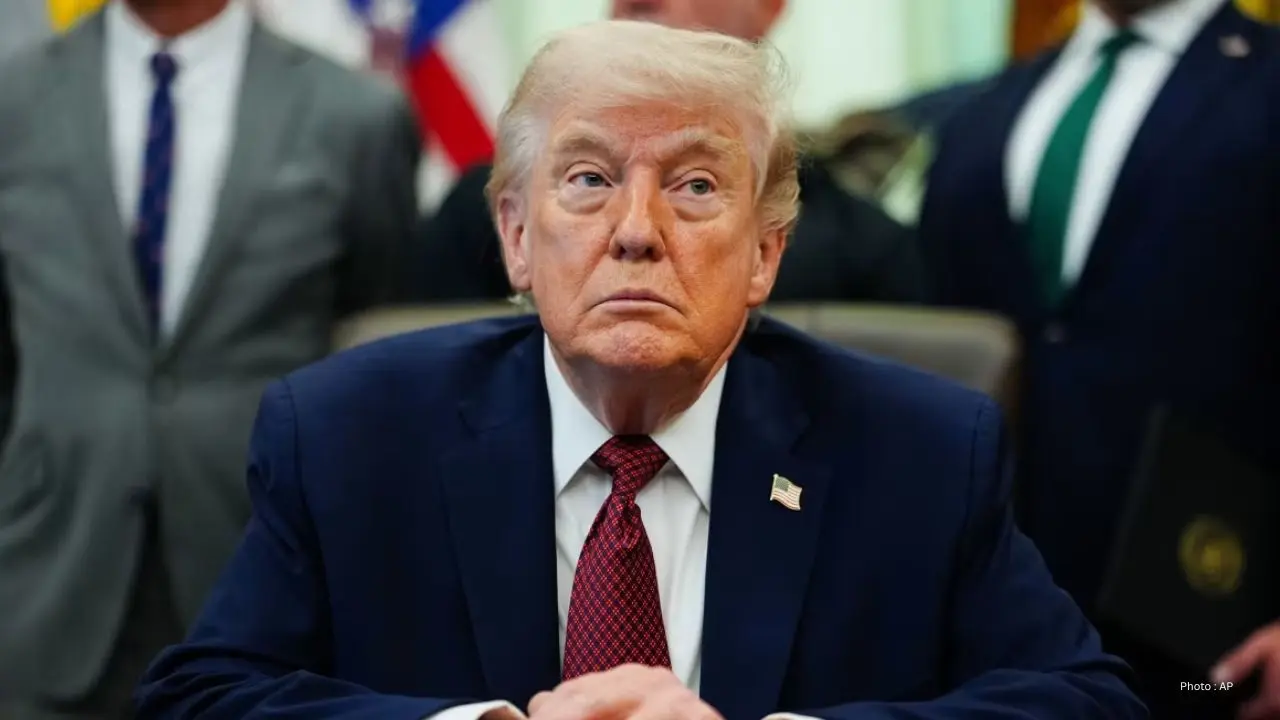
These comments from Rubio follow Trump’s recent statement indicating that a deal with Iran and the reopening of the vital shipping lane were “largely negotiated.” Trump further instructed his team to avoid hasty decisions on final agreements. Reports suggest that the proposed framework includes a ceasefire, the reopening of the strategic route, and renewed talks on Iran’s nuclear activities and sanctions relief.
The Strait of Hormuz is critical for global oil transport, accounting for nearly one-fifth of the world's oil supply. Increased tensions among Iran, the United States, and Israel have been causing disruptions in shipping and escalating fears of broader conflict in the region. Global oil prices have also reacted to uncertainties surrounding the waterway and military actions within the Gulf.
Senior US officials have reported that Iran has tentatively agreed to discussions on reopening the Strait of Hormuz and reviewing its highly enriched uranium inventory. In exchange, the United States may consider relaxing certain constraints on naval operations and Iranian oil exports. However, significant disagreements persist regarding Iran’s nuclear program, sanctions, and regional security assurances.
Rubio has faced pushback from several Republican figures and foreign policy hardliners who argue that the proposed deal might yield excessive concessions to Iran. Critics caution that easing sanctions without absolute guarantees could bolster Iran's influence in the region. Despite this dissent, Rubio remains steadfast in defending the diplomatic initiatives, stating that the administration is committed to averting a prolonged and detrimental conflict in the Middle East.
Iranian officials are yet to fully confirm the specifics released by Trump and US authorities. Iranian media suggest that Tehran demands more robust guarantees concerning future military interventions and oversight of shipping security in the Strait of Hormuz. Reports also indicate Iran's cautious stance due to past tensions and the failures of prior nuclear agreements.
Diplomatic mediation involving Pakistan, Saudi Arabia, Qatar, Turkey, Oman, and the UAE is ongoing as regional leaders advocate for a peaceful resolution. Analysts believe that a successful agreement could de-escalate military tensions, stabilize global energy markets, and avert another significant confrontation in the Middle East. Nevertheless, experts warn that negotiations are still delicate and could encounter hurdles if disagreements over nuclear parameters and sanctions persist.