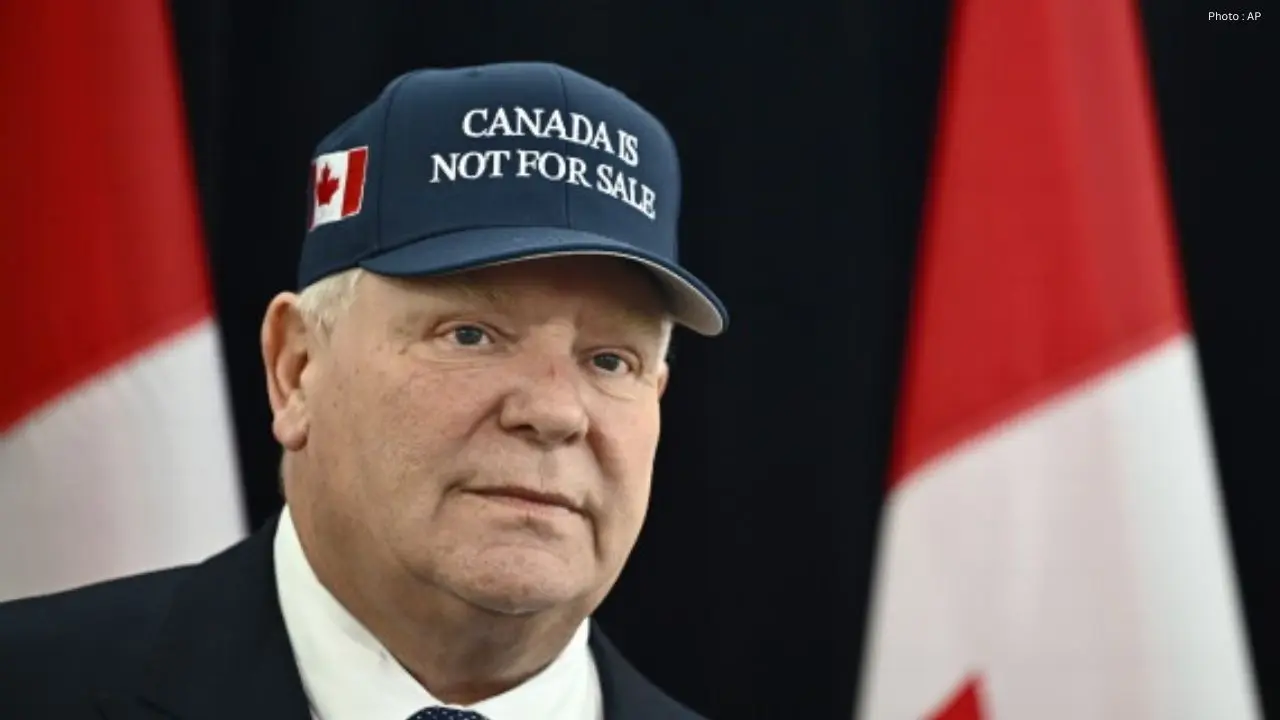
The province of Saskatchewan has expressed its willingness to engage in discussions regarding its industrial carbon tax framework, signaling potential modifications to the agreement established with Alberta. Premier Scott Moe indicated that the province aims to adjust the existing deal as the dialogue around climate policy, energy generation, and economic competitiveness intensifies in Western Canada.
In his statements, Moe emphasized Saskatchewan's commitment to job preservation and support for pivotal industries, while also recognizing environmental responsibilities. The province aspires to implement a carbon pricing structure that is pertinent to the local economy, especially for critical sectors like oil, gas, mining, agriculture, and manufacturing, which are vital to Saskatchewan's economic landscape.
These discussions revolve around industrial carbon pricing initiatives intended to curtail greenhouse gas emissions originating from large industries. Various provinces in Canada have adopted differing strategies toward carbon tax, often resulting in political friction between provincial administrations and the federal government in Ottawa. Both Saskatchewan and Alberta advocate for climate measures that successfully reconcile eco-friendly aspirations with economic advancement and energy security.
Moe highlighted Saskatchewan's readiness to collaborate with both Alberta and federal representatives to enhance the existing system if necessary. He asserted that any modifications should shield industries from undue financial burdens while maintaining their competitive edge in global markets. Provincial leaders emphasize the distinct economic hurdles faced by energy-producing regions, necessitating adaptive policy solutions.
Advocates of Saskatchewan's stance argue that industrial carbon pricing ought to promote innovation and the adoption of cleaner technologies without compromising local enterprises or inflating costs for consumers and workers. They contend that industries in Western Canada play a critical role in the national economy and should not be subjected to policies that might hinder investment or economic engagement.
Conversely, critics advocate for stronger climate action to mitigate emissions and adhere to Canada’s long-term environmental targets. Environmental organizations persist in urging for stricter carbon pricing frameworks and accelerated shifts towards renewable energy and lesser-emission industries. Some analysts propose that provincial governments will eventually require enhanced cooperation with the federal government to meet national climate benchmarks.
This topic remains politically significant in Canada, as carbon taxation is among the most contentious environmental and economic subjects. The divergence in strategies between provincial and federal levels has routinely led to legal disputes and political conflicts regarding climate policy implementation.
Despite prevailing disagreements, Moe’s remarks indicate Saskatchewan's openness to further negotiations and potential adjustments aimed at fostering greater collaboration with Alberta and other governmental entities. Continued discussions are anticipated as policymakers strive to harmonize environmental duties with economic agendas in Canada's energy sectors.