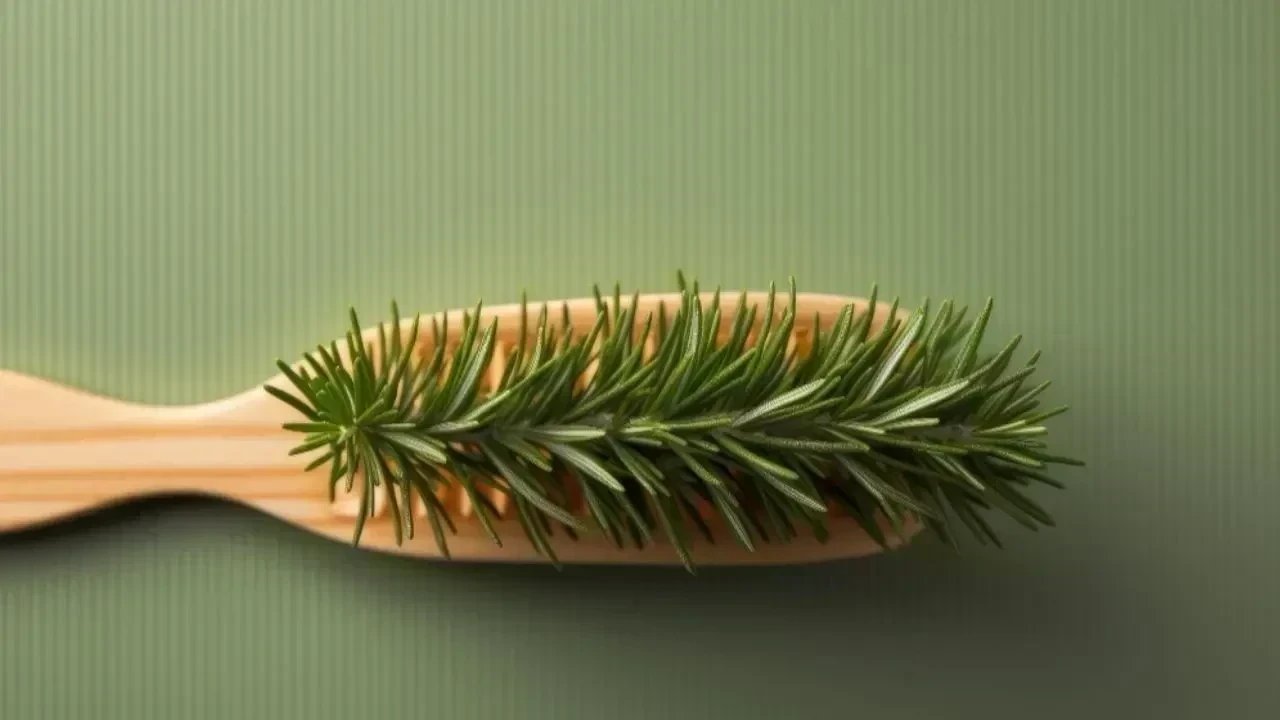
Rosemary for Hair Fall: Does It Really Work? 4 Simple Ways to Use It
Hair fall is a problem faced by many people today. It affects both men and women, young and old. Stress, pollution, unhealthy food habits, hormonal changes, frequent heat styling, and weak hair roots are some of the main reasons behind hair loss. Finding hair on your pillow, comb, or bathroom floor can be upsetting and often makes people search for safer and natural solutions.
Although there are many hair products available in the market, not everyone feels comfortable using chemical treatments for a long time. Because of this, people are slowly turning back to natural remedies. One natural ingredient that has become very popular in recent years is rosemary.
Rosemary is a green, aromatic herb that has been used for hundreds of years in traditional medicine and cooking. Today, it is widely talked about for hair care. Many people believe it helps reduce hair fall and improve hair growth. But an important question remains — does rosemary truly help with hair fall, or is it just another trend seen online?
Let us understand how rosemary works, why people trust it, and four easy ways to use it for better hair health.
How Rosemary Helps With Hair Fall
Healthy hair begins with a healthy scalp. Problems like poor blood flow, dryness, excess oil, and blocked hair roots can lead to hair fall. Rosemary helps by improving scalp health in a natural way.
Rosemary contains natural oils and antioxidants that improve blood circulation in the scalp. When blood flow improves, hair roots receive more oxygen and nutrients. This helps make the roots stronger and reduces hair fall slowly.
Rosemary may also help to:
-
Reduce dryness and dandruff on the scalp
-
Balance oil levels
-
Make hair look thicker
-
Support new hair growth
-
Slow down thinning hair
In many cases, hair fall happens because the scalp is unhealthy. Rosemary focuses on improving the scalp first, which then helps hair grow stronger and healthier.
Some research and personal experiences suggest that rosemary oil, when used regularly, can give results similar to certain hair growth treatments, without causing dryness or irritation.
Is Rosemary Safe to Use on Hair?
Yes, rosemary is generally safe for hair when used properly. However, rosemary essential oil is strong and should always be mixed with another oil before applying to the scalp. Using it directly may cause irritation, especially for people with sensitive skin.
It is also a good idea to do a small skin test before using it for the first time. Rosemary is not a quick solution, but with regular use and patience, it can improve hair health over time.
4 Simple Ways to Use Rosemary for Hair Fall
1. Rosemary Oil Massage
This is one of the most common and effective ways to use rosemary. Massaging oil helps it reach the scalp and improves blood flow.
How to use:
-
Mix 3–5 drops of rosemary essential oil with coconut oil, olive oil, or almond oil
-
Massage gently into the scalp using your fingertips
-
Leave it on for at least 30 minutes or overnight
-
Wash with a mild shampoo
Benefits:
-
Makes hair roots stronger
-
Reduces hair fall
-
Improves hair thickness
Use this method 2–3 times a week.
2. Rosemary Water Rinse
Rosemary water is a light and easy option for people who do not like oiling their hair.
How to prepare:
-
Boil fresh or dried rosemary leaves in water for 10–15 minutes
-
Let it cool fully
-
Strain and store in a clean bottle
How to use:
-
After washing your hair, pour rosemary water over the scalp
-
Massage gently
-
Do not rinse with plain water
Benefits:
-
Helps reduce hair fall
-
Keeps the scalp healthy
-
Adds natural shine to hair
Use this rinse 2–3 times a week.
3. Rosemary Hair Spray
This method is useful for daily scalp care, especially for people with oily hair.
How to make:
-
Prepare rosemary water
-
Pour it into a spray bottle
How to use:
-
Spray lightly on the scalp once or twice a day
-
Massage gently
-
Do not wash immediately
Benefits:
-
Keeps the scalp fresh
-
Improves blood flow
-
Supports hair growth
This is a good option for busy routines.
4. Adding Rosemary to Shampoo or Conditioner
This is the easiest way to use rosemary regularly.
How to use:
-
Add a few drops of rosemary essential oil to your shampoo or conditioner
-
Shake well before use
Benefits:
-
Very simple to follow
-
Helps reduce hair fall slowly
-
Keeps the scalp clean
This method works well for long-term care.
How Long Does Rosemary Take to Show Results?
Since rosemary is natural, results take time. Most people notice:
-
Less hair fall in 4–6 weeks
-
Better hair texture in about 2 months
-
New hair growth in 3–4 months
Using rosemary regularly is important. Occasional use will not give strong results.
Who Can Use Rosemary for Hair Fall?
Rosemary is suitable for:
-
People with mild to moderate hair fall
-
Stress-related hair loss
-
Weak or thinning hair
-
Those who prefer natural hair care
If hair loss is severe or linked to a medical problem, it is better to speak with a doctor.
Rosemary is not just a passing beauty trend. When used the right way and on a regular basis, it can help reduce hair fall and improve overall hair health. It works by strengthening hair roots, improving scalp circulation, and creating a healthy base for hair growth.
While rosemary may not replace medical treatment for serious hair loss, it is a strong natural option for daily hair care.
If you are looking for a safe, affordable, and natural way to manage hair fall, rosemary is definitely worth trying.
Disclaimer
This article is published for general information and awareness purposes only. It is not intended to replace professional medical advice, diagnosis, or treatment. Hair fall causes, scalp conditions, and results may differ from person to person based on health, lifestyle, and genetics.
Natural remedies, including rosemary, may not work the same way for everyone and usually take time to show results. Readers are strongly advised to consult a qualified doctor or dermatologist before starting any new hair care routine, especially if they are experiencing severe hair loss, sudden hair thinning, scalp infections, allergies, hormonal issues, or other medical conditions. Discontinue use immediately if irritation or discomfort occurs.