Disclaimer:This article is for informational purposes only and should not be taken as medical advice. Always consult a qualified healthcare professional or nutritionist before making major dietary changes.
Plant-Based Diets: Are They Really Healthier?
In recent years, plant-based diets have grown from a niche trend to a global movement. Supermarkets now offer dedicated vegan aisles, restaurants have plant-based menus, and social media is filled with influencers promoting “green living.” But behind all the buzz, one major question remains: Are plant-based diets actually healthier?
The answer is not as simple as “yes” or “no.” For many people, plant-based eating brings significant health benefits — from better heart health to improved digestion. But like any lifestyle choice, it also requires balance, planning, and awareness.
This article explores the real science behind plant-based diets, their benefits, potential drawbacks, and whether they are truly healthier compared to traditional diets.
What Exactly Is a Plant-Based Diet?
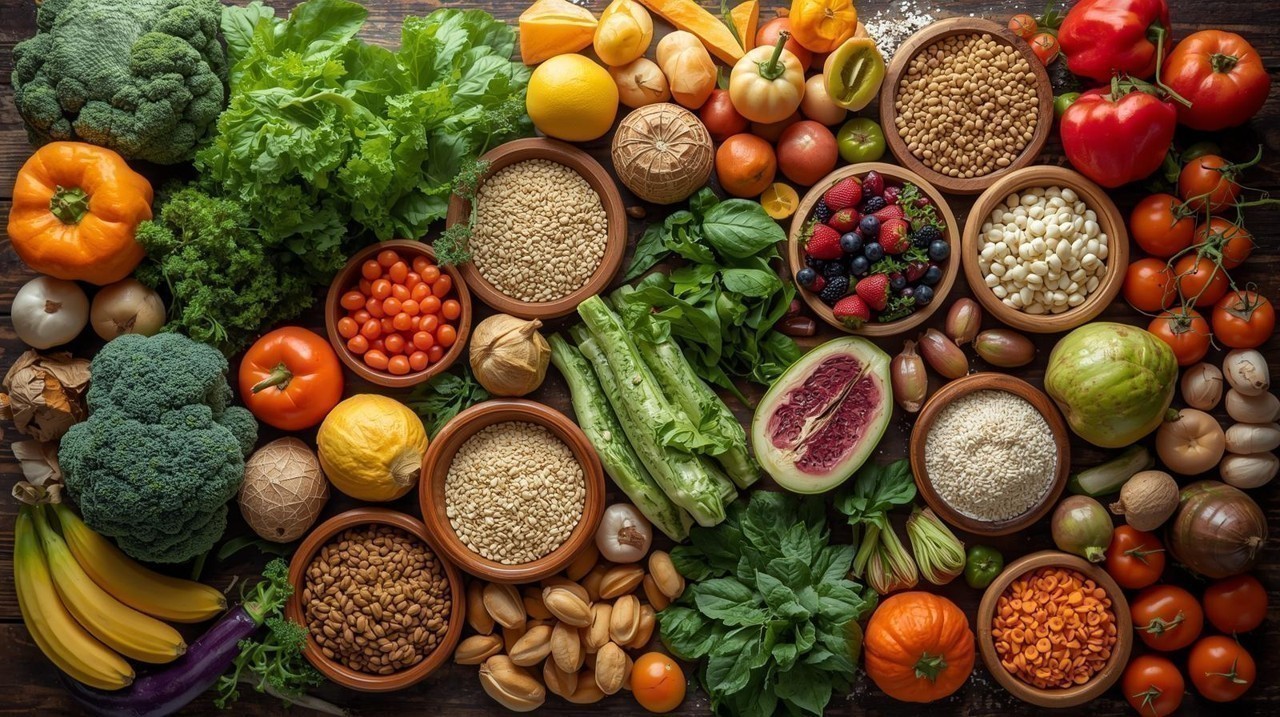
A plant-based diet focuses primarily on foods that come from plants, such as:
-
Vegetables
-
Fruits
-
Whole grains
-
Legumes
-
Nuts and seeds
-
Plant-based oils
It may or may not completely exclude animal products. Many people follow variations:
-
Vegan: No animal products at all
-
Vegetarian: Avoids meat but may include dairy and eggs
-
Flexitarian: Mostly plant-based but includes occasional meat
-
Whole-Food Plant-Based (WFPB): Focuses on unprocessed plant foods
This flexibility means that plant-based eating can adapt to different lifestyles without feeling restrictive.
Why Are Plant-Based Diets Becoming Popular?
Several factors are driving this global shift:
1. Health Awareness
Research shows a strong connection between diet and long-term health. Many chronic diseases, such as diabetes and heart disease, are linked to poor dietary habits.
2. Environmental Concerns
Plant-based eating requires fewer natural resources and produces fewer emissions compared to animal-based diets.
3. Ethical Reasons
People are becoming more aware of animal welfare and the ethics of mass meat production.
4. Celebrity and Media Influence
Public figures and social media trends make plant-based lifestyles more appealing and accessible.
Are Plant-Based Diets Healthier? The Proven Benefits
1. Better Heart Health
Studies consistently show that people who follow plant-based diets have a lower risk of:
-
Heart attacks
-
High blood pressure
-
High cholesterol
This is largely because plant foods are rich in fiber, antioxidants, and healthy fats while being low in saturated fat.
2. Reduced Risk of Chronic Diseases
A plant-rich diet may lower the risk of:
-
Type 2 diabetes
-
Obesity
-
Certain cancers (particularly colon and breast cancer)
Fiber-rich foods help improve blood sugar levels and reduce inflammation.
3. Healthy Weight Management
Plant-based diets typically include fewer calories while keeping you full due to fiber. This can lead to natural, sustainable weight loss without extreme dieting.
4. Improved Gut Health
Gut bacteria thrive on fiber — something plant-based diets offer in abundance. This leads to:
-
Better digestion
-
Reduced bloating
-
Stronger immune function
-
Better mood control (through gut-brain connection)
5. More Vitamins, Minerals & Antioxidants
Plant-based foods are rich in:
-
Vitamin C
-
Vitamin E
-
Potassium
-
Magnesium
-
Phytonutrients
-
Antioxidants
These nutrients help protect against inflammation and cellular damage.
The Potential Downsides of Plant-Based Diets
While plant-based diets are generally healthy, they’re not automatically perfect. Poor planning can lead to nutritional gaps and health issues.
1. Risk of Nutrient Deficiencies
Common nutrients people may fall short on include:
-
Vitamin B12
-
Iron
-
Omega-3 fatty acids
-
Calcium
-
Vitamin D
-
Zinc
These nutrients are more abundant in animal products.
2. Over-Reliance on Processed Vegan Foods
Not all plant-based foods are healthy.
Vegan chips, vegan burgers, frozen meals, and desserts can be:
-
High in sodium
-
High in sugar
-
Full of preservatives
-
Low in nutrients
A healthy plant-based diet should prioritize whole foods, not packaged ones.
3. Higher Carbohydrate Intake
Some people increase their carb intake too much when switching to plant-based eating. Without balance, this may lead to weight gain or blood sugar issues.
How to Make a Plant-Based Diet Truly Healthy
If you want genuine benefits, keep these guidelines in mind:
Eat whole, unprocessed foods
Fruits, vegetables, lentils, beans, oats, nuts, and seeds should form the foundation.
Include plant-based protein sources
Chickpeas, soy, tofu, tempeh, lentils, quinoa, and beans.
Supplement nutrients if needed
Especially B12, Vitamin D, iron, or omega-3.
Balance your meals
Include healthy fats, proteins, and whole grains in each meal.
Avoid excess sugar and processed vegan snacks
Being vegan doesn’t automatically mean healthy.
So, Are Plant-Based Diets Really Healthier?
Yes, plant-based diets can be significantly healthier when done correctly. They offer numerous benefits — especially for heart health, weight management, and chronic disease prevention.
However, they are not a miracle cure, and they require mindful planning. With balanced nutrition and whole foods, a plant-based lifestyle can support long-term wellness and improve overall quality of life.
If you’re considering switching, start slowly and find what works best for your body. A gradual approach often leads to long-lasting results.