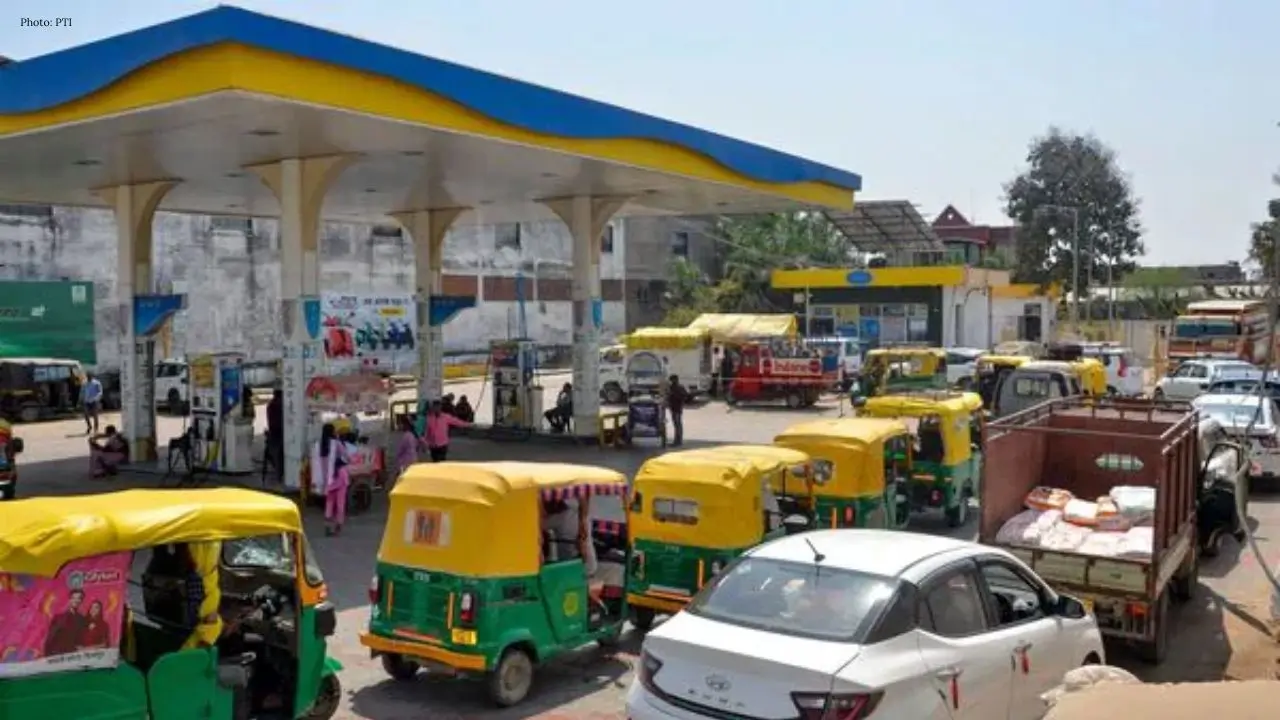
In a decisive move, Pakistan has raised fuel prices significantly as global energy expenses rise amid the escalating conflict in the Middle East. The government has announced a staggering 42.7 percent increase in petrol prices and a 54.9 percent hike for diesel, mirroring the pressures in international oil markets.
According to Petroleum Minister Ali Pervaiz Malik, petrol is now priced at 458.40 Pakistani rupees per litre, while diesel stands at 520.35 rupees per litre. These updated prices are effective immediately following the government’s announcement.
Authorities mentioned efforts to mitigate the impact on citizens; however, they were compelled to transfer the financial burden due to constrained fiscal resources. The diesel price surge, being crucial for transport and agriculture, is anticipated to significantly influence daily routines and the overall economy.
This price escalation is tied to the ongoing situation involving Iran, which has disrupted crucial shipping routes through the Strait of Hormuz, a significant artery for global energy supplies. These disturbances have resulted in an increase in oil prices globally, impacting fuel-importing nations like Pakistan.
Previously, in March, Pakistan had also raised fuel costs, but the escalation in the conflict has heightened economic pressures. The country’s reliance on imported oil and gas renders it susceptible to fluctuations in global supply.
To tackle the repercussions, the authorities have implemented austerity measures, such as reducing the government workweek, extending school breaks, and shifting some classes online to save energy.
The ramifications of this situation are reverberating throughout Asia, leading several countries to also raise fuel prices. The International Monetary Fund has cautioned that vulnerable economies may be confronted with heightened inflation, strained supply chains, and additional financial burdens stemming from this crisis.