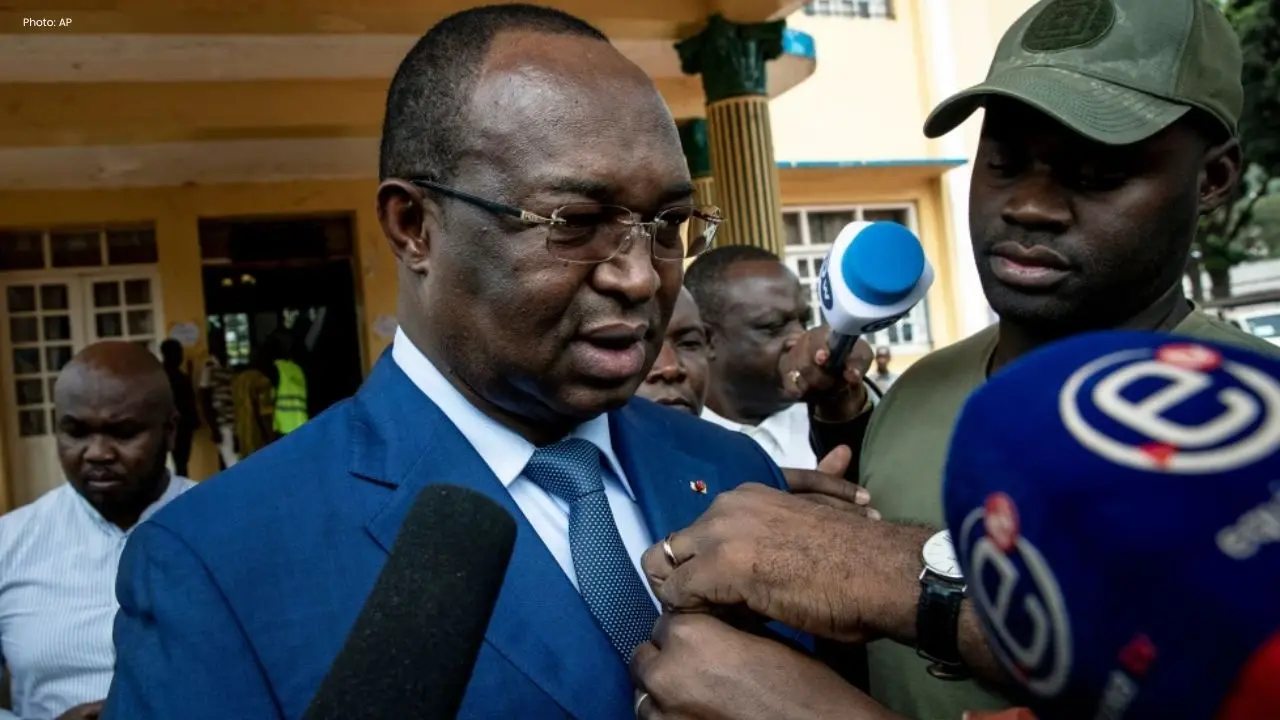
In a bold move, Anicet Georges Dologuélé, the former Prime Minister and opposition leader of the Central African Republic, has condemned the government's seizure of his diplomatic passport. He labeled this act as an overreach of power, stoking further political unrest and igniting worries about democratic liberties.
Dologuélé was unexpectedly barred from boarding a flight to Addis Ababa, where he was set to engage in discussions related to the African Union Peace Fund. Airport personnel informed him that he was prohibited from departing the country due to the reported confiscation of his diplomatic passport.
During a press briefing held in Bangui, Dologuélé expressed deep discontent and bewilderment regarding this decision, feeling as if he had become “stateless” within his homeland. He accused the current regime of imposing administrative hurdles and limitations on political adversaries.
Dologuélé, who held the Prime Minister position from 1999 to 2001, is a well-known figure in the CAR political arena. Since 2018, he has been actively involved with the African Union Peace Fund, frequently attending international gatherings focused on peace and regional stability.
This political strife follows his recent challenge against President Faustin-Archange Touadéra in the latest presidential race. He renounced his French citizenship last year to align with the constitutional mandates for candidacy.
Dologuélé has voiced his concerns repeatedly about the integrity of the elections, deeming the process biased and lacking transparency. While the official results reflected he garnered 13.1 percent of the votes, President Touadéra secured another term in office. Various opposition factions continue to contest the legitimacy of the electoral framework in the nation.
Following his renouncement of French nationality, Dologuélé revealed that the government has declined to issue him a standard passport. He has had to rely on his diplomatic passport due to the absence of a replacement.
Experts remark that this incident could escalate worries regarding political rights and democratic practices in the CAR. Many human rights advocates and international monitors have voiced concerns regarding the oppressive climate faced by opposition leaders and dissenters.
This unfolding situation has captured attention throughout Africa since Dologuélé's trip was officially linked to his responsibilities with the African Union Peace Fund. Observers speculate that the outcry may prompt the government to clarify its rationale and provide specific information about the legal status of Dologuélé’s travel credentials.