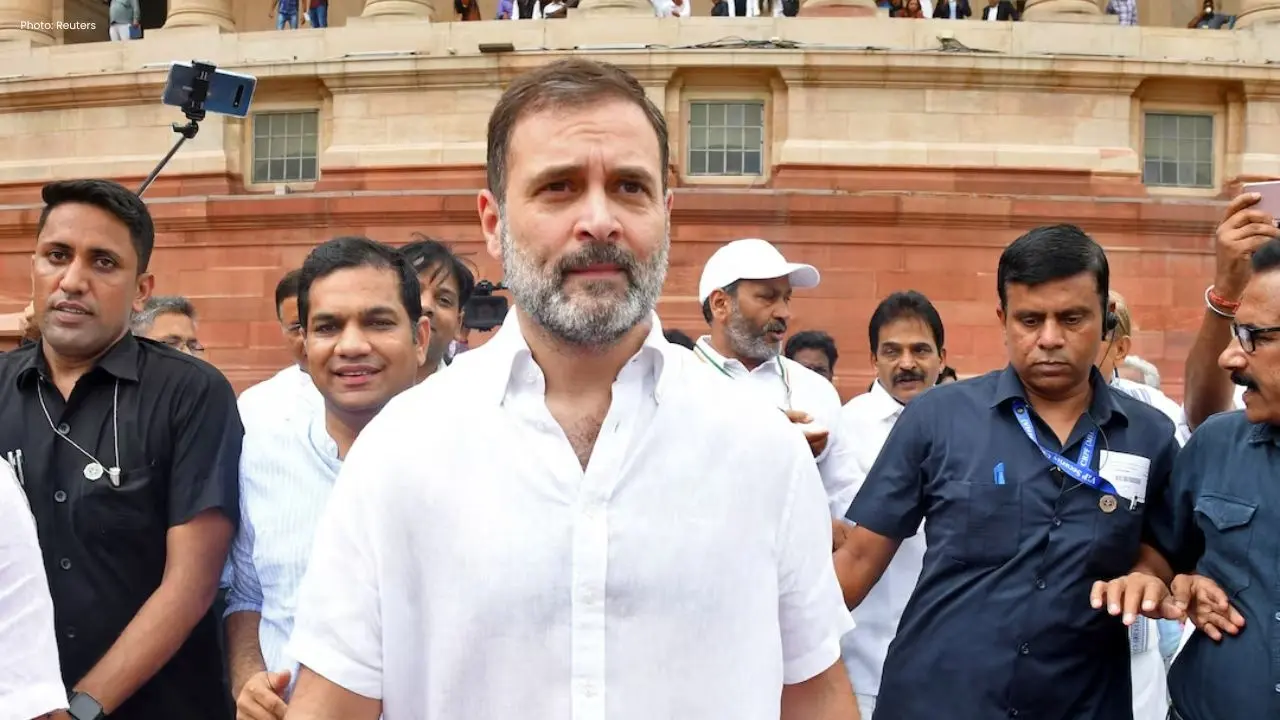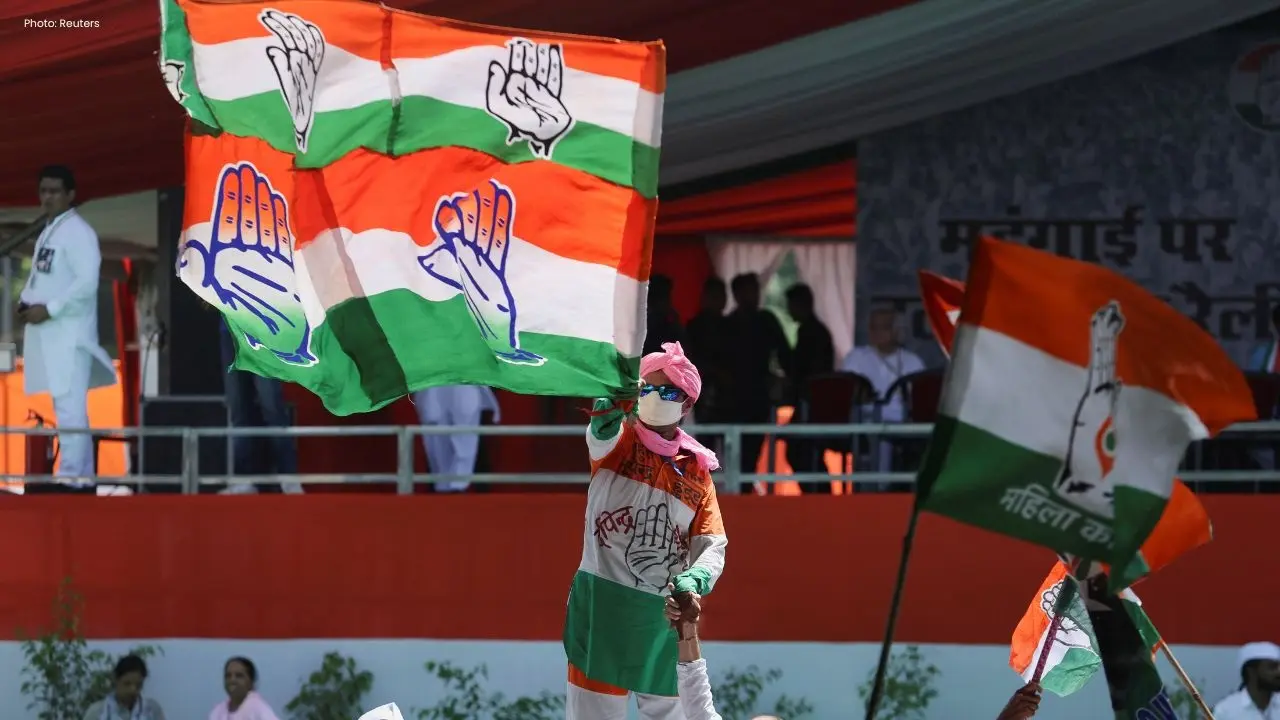
The Indian National Congress is rallying against political backlash after the recent assembly elections in Assam and West Bengal ignited claims from opponents that the party is leaning heavily on minority votes. In light of this, Congress figures have begun a vigorous defense of the party’s secular credentials and broad national representation.
The contention arose when election results indicated that out of the 19 Congress MLAs elected in Assam, a staggering 18 are Muslims, with merely one being Hindu. The party also witnessed the election of two Muslim candidates in West Bengal. This has prompted rival parties, notably the Bharatiya Janata Party and the All India United Democratic Front, to label Congress as resembling a “Muslim League.”
Supriya Shrinate, Congress's head of social media, has vehemently dismissed these allegations, backing her argument with national data about Congress lawmakers. She noted that among the party’s 664 MLAs nationwide, approximately 78% are Hindus, 12% are Muslims, while others belong to various religious backgrounds, asserting that this mirrors India’s demographic diversity.
Top leaders from Congress reiterated their commitment to representing all societal groups, transcending religious or caste distinctions. They accused the BJP of attempting to fracture voter unity and disseminate false narratives for electoral advantage. Congress representatives also highlighted that Muslim voters are inclined towards secular parties, given the BJP's express preference for not courting minority support.
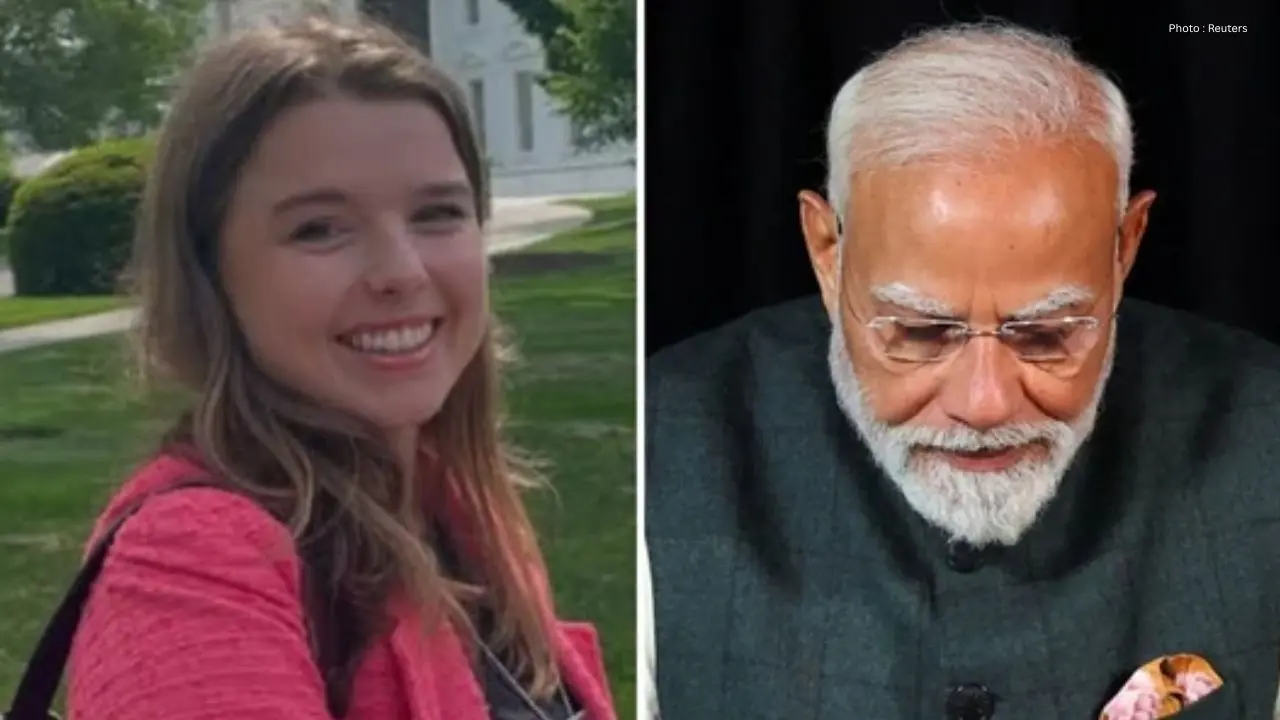
The debate took a sharper turn after Prime Minister Narendra Modi dubbed the Congress the “Muslim League Maoist Congress” during an election rally. Congress activists condemned such comments as distractions from pressing economic and social issues.
In Assam, Congress faced a critical blow, winning only 19 of the 126 assembly seats. Among the 24 opposition members, just two are Hindus. Assam's minister, Pijush Hazarika, contended that Congress's political viability now largely hinges on minority backing in the region.
Even AIUDF leader Badruddin Ajmal echoed these sentiments, intensifying pressure on the Congress. Political analysts indicate that this matter has gained sensitivity as the party gears up for significant upcoming elections in Uttar Pradesh, Uttarakhand, Gujarat, Karnataka, Rajasthan, and Madhya Pradesh over the next two years.
Despite the mounting criticism, Congress leaders remain unfazed. They assert that the BJP has persistently hurled similar accusations at the Congress since India’s early political genesis. The party maintains that presenting factual information is critical in countering what it perceives as political propaganda.
The discourse surrounding religious representation in India’s political arena continues to garner attention in the aftermath of the election results. Analysts predict that this controversy will significantly shape future campaign tactics as national parties strategize for impending state elections characterized by issues of identity, secularism, and religious polarization.