Mali recently held a heartfelt funeral for former defense minister Sadio Camara, a pivotal figure in the military leadership of the country. His tragic death has sent shockwaves through the nation, sparking fears about the security policies moving forward.
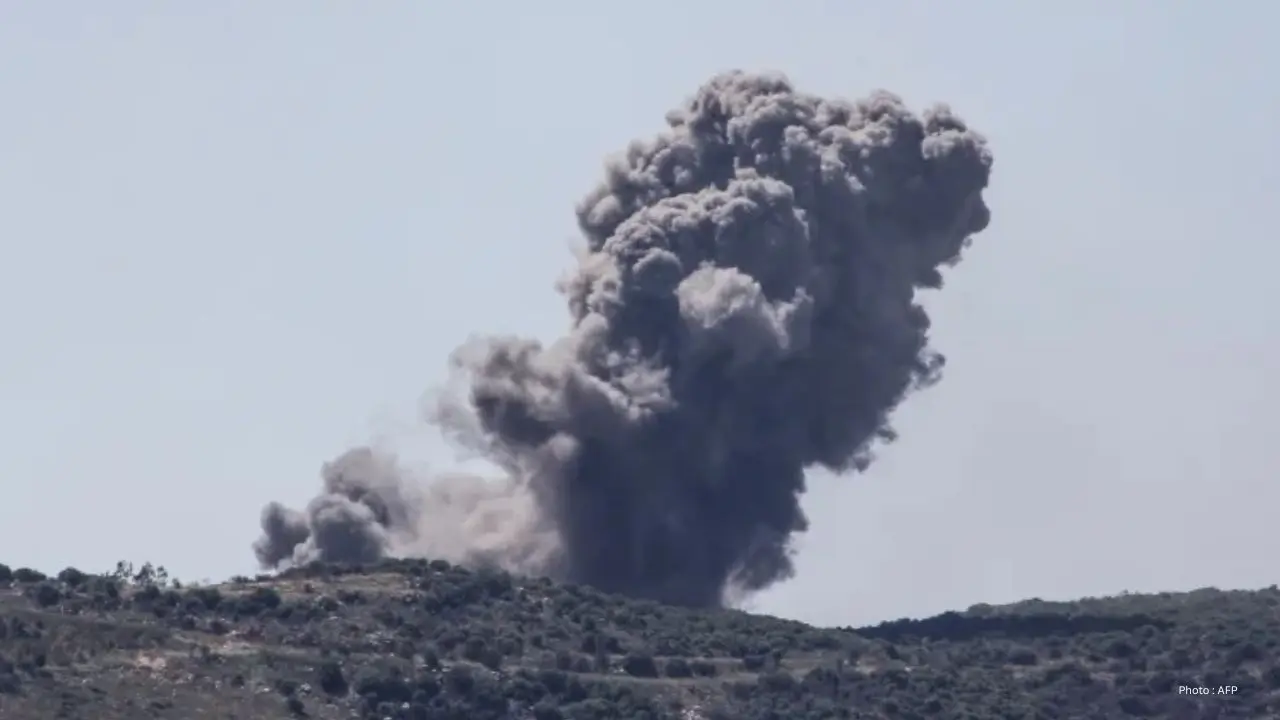
Camara lost his life during a coordinated militant assault over the weekend, deemed one of the most substantial in Mali's recent history. This incident underscores the persistent security threats that the region faces.
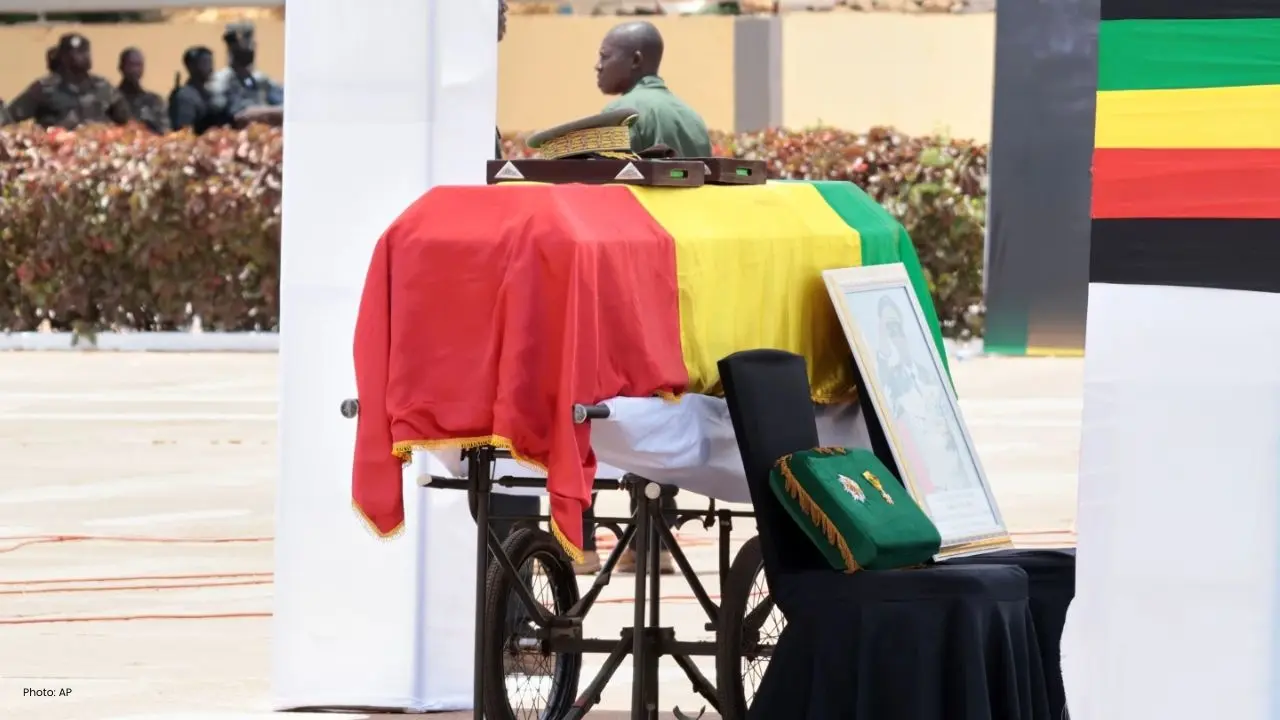
The funeral came after two days of national mourning and was graced by the presence of senior officials, including junta leader Assimi Goita. The event, broadcast nationwide, showcased a coffin draped in the national flag in a powerful tribute.
Born in 1979 in Kati, near Bamako, Camara had an extensive military background. He served in conflict areas and underwent training abroad, including in Russia, which shaped his defense approach.
Camara gained prominence following the 2020 military coup that ousted former president Ibrahim Boubacar Keita, emerging as a key player in the new military regime.
As Mali's defense minister, he was vital in forming the country's security alliances, enhancing relations with Russia, and endorsing the presence of Russian troops and advisors in Mali.
His tenure coincided with a significant shift away from Western allies, including France and UN peacekeeping forces, altering Mali's defense and foreign policy frameworks.
Many analysts assert that his death could lead to serious ramifications for the political and military landscape in Mali, possibly causing rifts within the ruling leadership and prompting a reevaluation of current security ties, particularly with Russia.
The evolving situation has raised alarm bells, with concerns over the withdrawal of troops from critical areas and escalating militant threats, leading to increased pressure for a reassessment of strategies.
In summary, the loss of Camara represents a significant blow to Mali's military governance. As the country grapples with ongoing security challenges, his absence is expected to have a lasting impact on both domestic stability and international alliances.