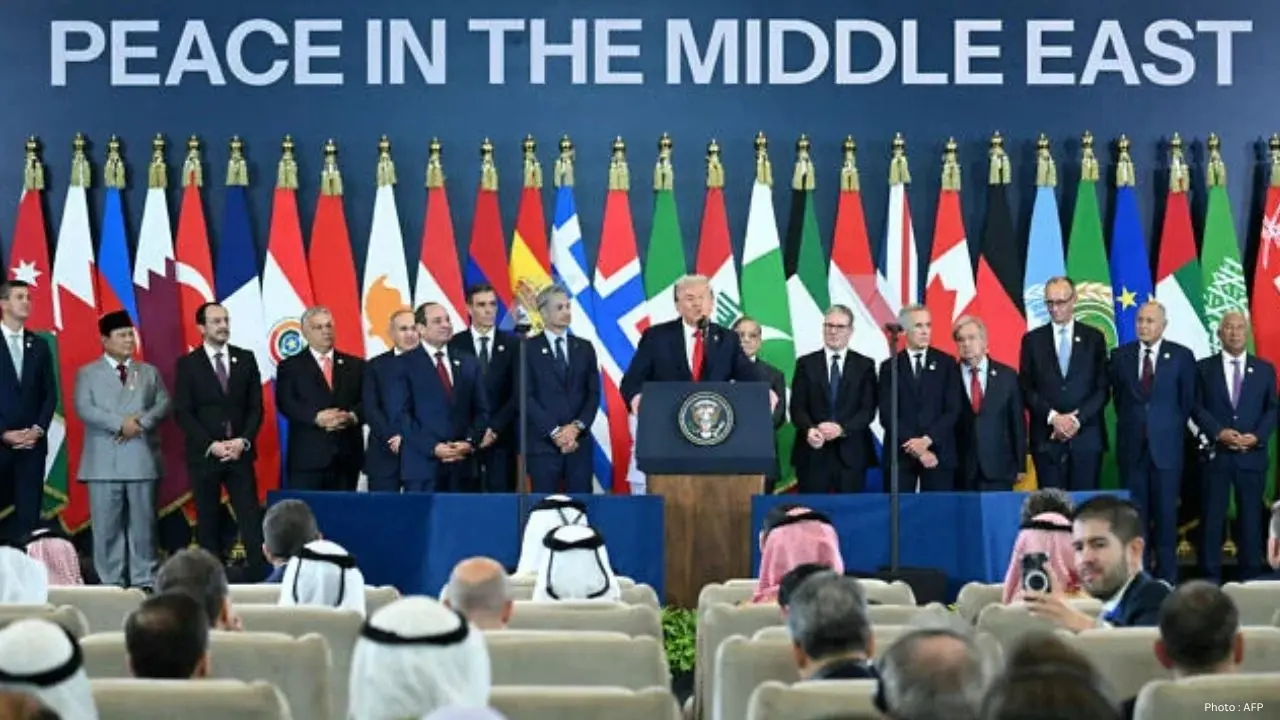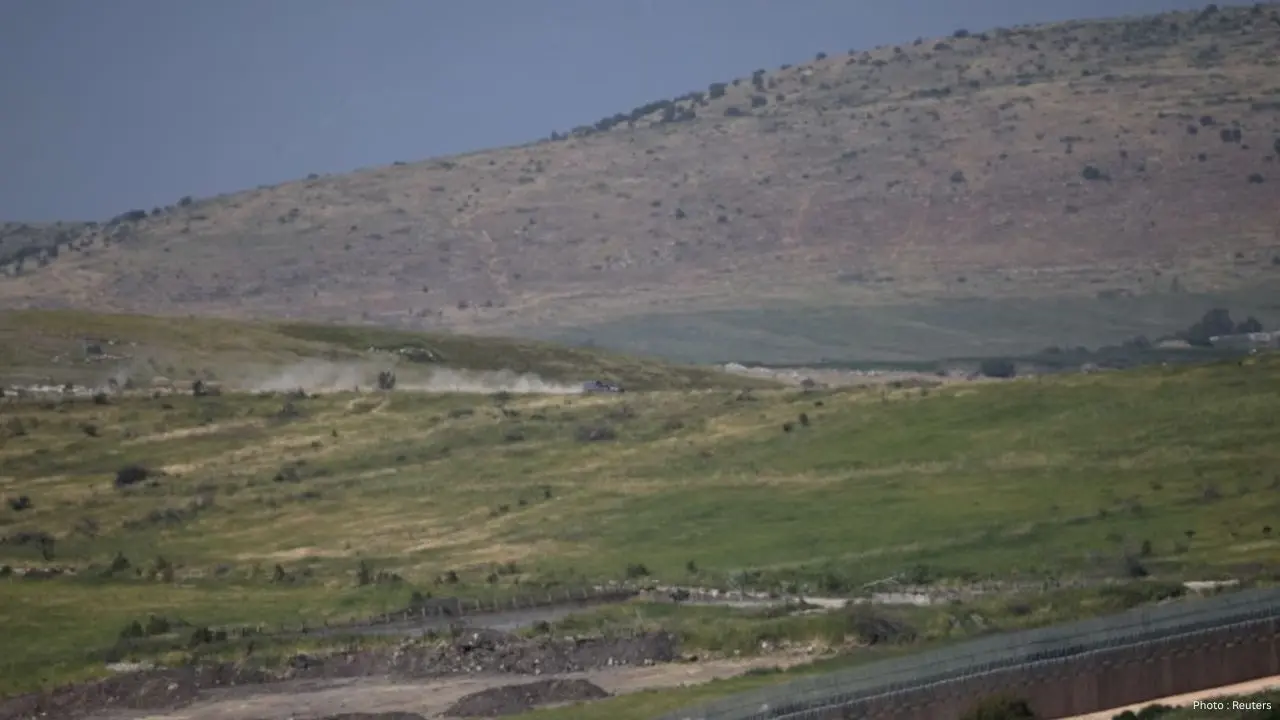
As tensions escalate along the Israel-Lebanon border, Lebanon is poised to advocate for an immediate ceasefire during crucial negotiations in Washington. These discussions take place against a backdrop of rising fears that military clashes could spark a broader conflict in the Middle East.
Lebanese leaders are set to demand an end to Israeli airstrikes, the withdrawal of troops from specific southern Lebanese areas, and advancements on prisoner issues. The main focus of the talks will be on curbing violence and containing the conflict's potential spillover into neighboring regions.
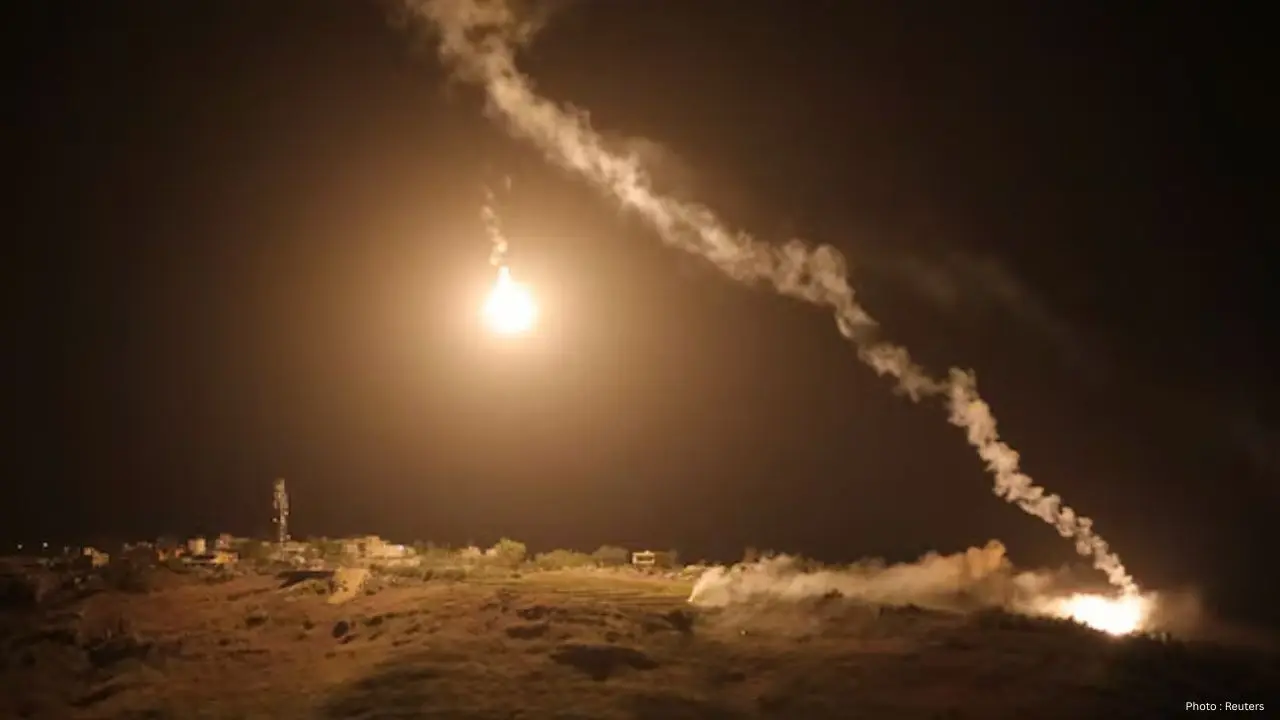
The situation between Israel and Hezbollah remains fraught, with cross-border assaults and airstrikes persisting despite previous attempts to mitigate the fighting. Civilians on both sides are suffering greatly, many being forced from their homes due to ongoing security threats and repeated assaults.
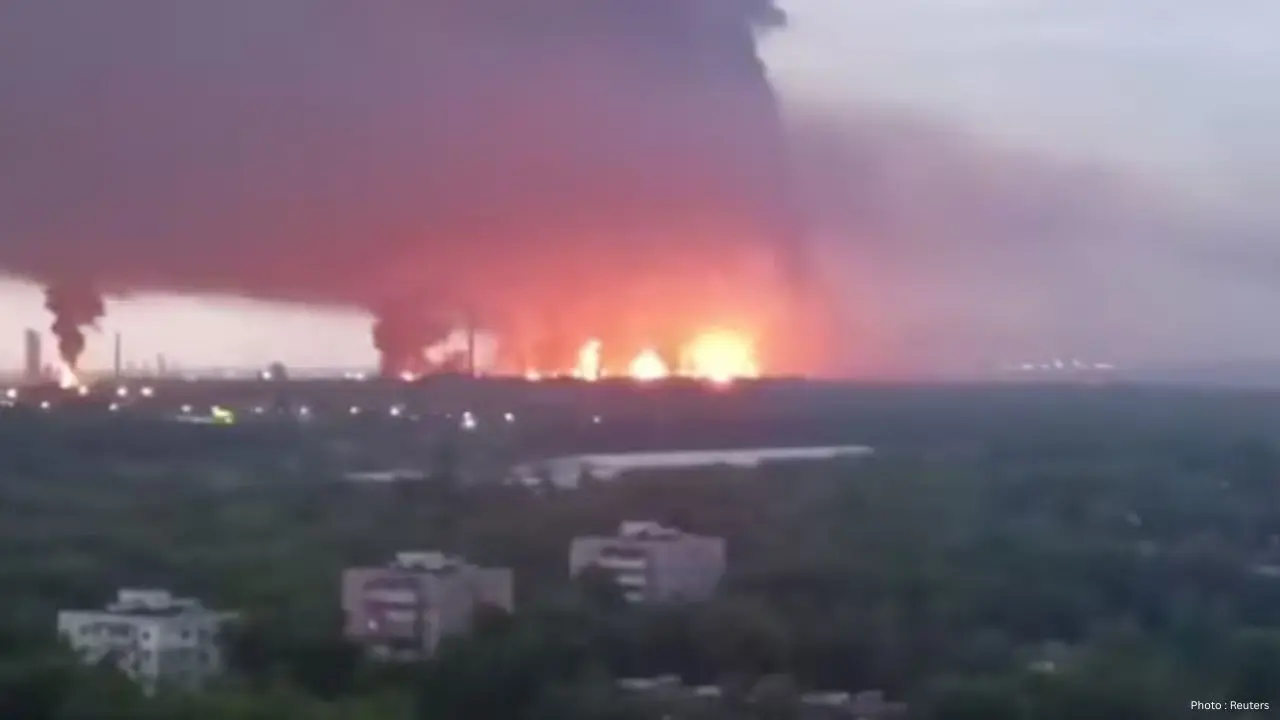
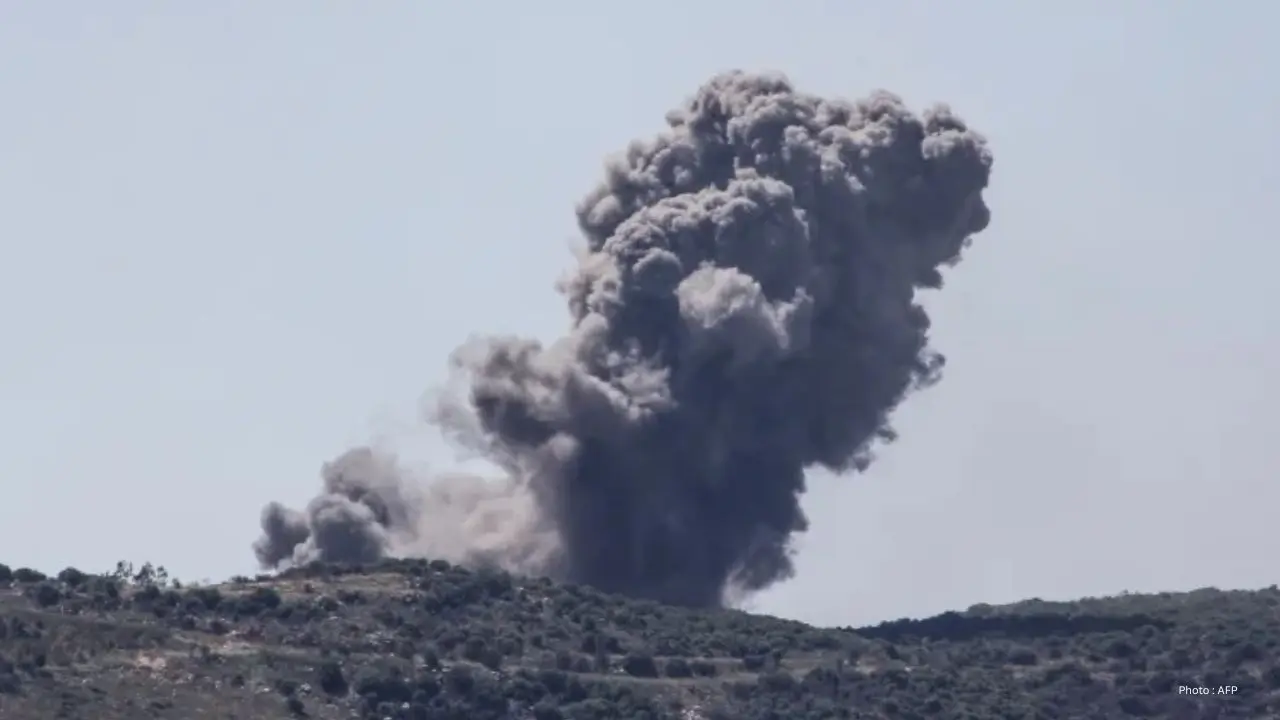
Recent airstrikes by Israel have inflicted significant damage and casualties in Lebanon, while Hezbollah retaliates with attacks aimed at northern Israel. The ongoing violence has intensified the urgency for political leaders to devise a diplomatic solution before circumstances deteriorate further.
This conflict is intertwined with broader Middle Eastern tensions involving Iran, Israel, and the United States. Hezbollah, an Iranian ally, continues to participate in regional confrontations, raising alarm among global powers about the risk of a larger war.
The talks in Washington are crucial given the historically limited dialogue between Lebanon and Israel, which have no formal diplomatic ties. Past peace initiatives have frequently faltered due to significant political unrest and security dilemmas.
A key obstacle in negotiations centers on Hezbollah’s military presence near the border. Israel is pressing for stronger security assurances and a decrease in military activity close to its territory. Conversely, Lebanon faces internal political pressures, as Hezbollah wields substantial military and political influence.
Simultaneously, Lebanon grapples with an acute economic crisis, characterized by inflation, unemployment, and deteriorating public services. Continued military conflict exacerbates the hardships facing ordinary citizens.
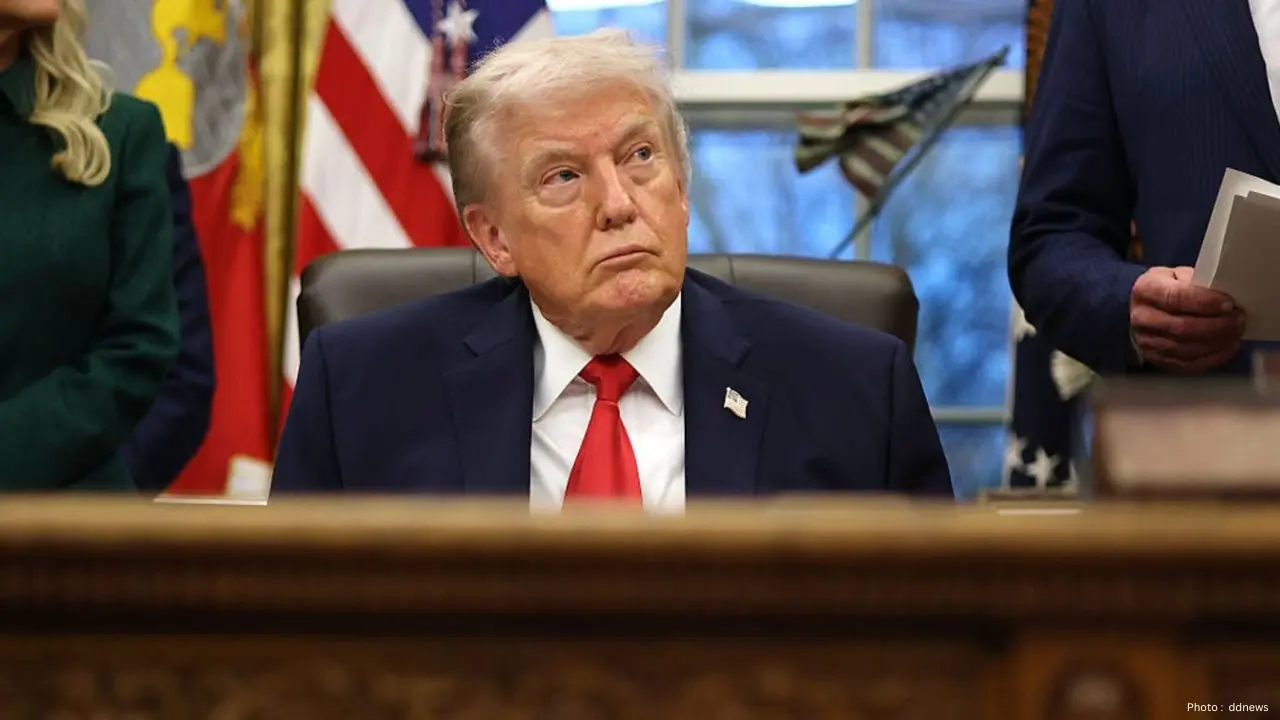
The United States is backing these discussions as part of a larger initiative to ease tensions across the Middle East, wary that prolonged hostilities between Israel and Hezbollah could escalate into a sizable regional war.
Experts caution that achieving a sustainable agreement will be challenging. Distrust between the parties remains entrenched, with accusations of broken ceasefire agreements common. Nonetheless, many believe that dialogue is the only viable route to prevent further escalation.
For people in Lebanon and Israel, the desire is clear: after a protracted period of fear and turmoil, families yearn for peace and stability. The outcomes of the Washington discussions may critically influence the future trajectory of this conflict.