In Karachi, a significant gas shortage is severely impacting everyday life, compelling residents to adopt precarious methods to meet their basic cooking needs. One alarming tactic gaining attention is the storage of cooking gas in plastic balloons.
Particularly in neighborhoods like Orangi Town and Mominabad, locals are using balloons to gather gas briefly when supply is available. These filled balloons serve as a makeshift fuel source throughout the day, helping families cope during this ongoing crisis.
This risky method emerges as a necessity for many. With erratic gas supply and low pressure dominating their lives, families struggle to prepare meals and manage household activities.
The balloons, which can be purchased locally for Rs 1,000 to Rs 1,500, are filled and then detached from the gas source, stored inside homes for future use until the next supply moment.
Nonetheless, safety professionals have raised alarm bells. They caution that using plastic balloons for gas storage poses severe risks, including potential explosions from heat, friction, or minor sparks.
Experts have referred to these gas-filled balloons as “mobile bombs,” particularly in densely populated areas where homes are tightly packed, amplifying the threats of fire incidents and widespread destruction.
This dire situation has led to urgent calls for intervention from governmental bodies and gas providers. Experts emphasize the need for consistent supply improvements and addressing infrastructure deficiencies to prevent the proliferation of such dangerous storage methods.
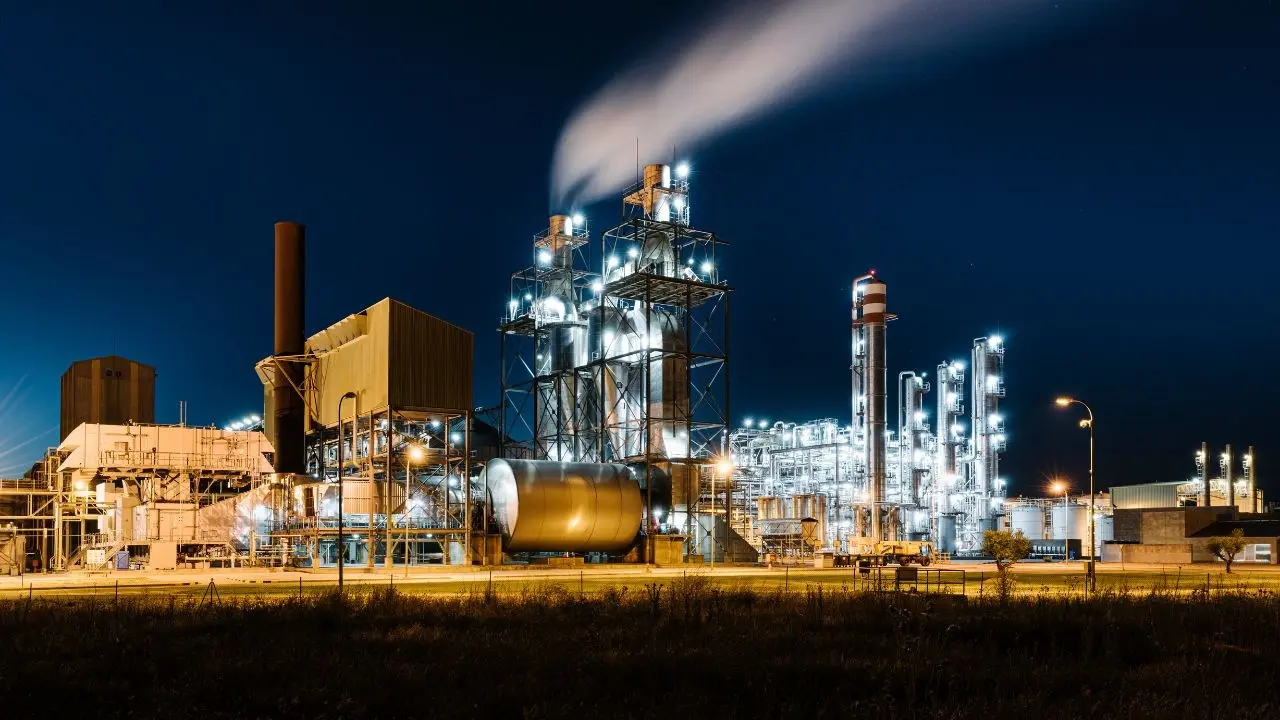
The ongoing crisis is symptomatic of larger energy issues, with global supply chain disruptions exacerbated by international tensions impacting local fuel distribution.
As the gas shortages persist, residents find themselves caught between immediate survival challenges and significant safety hazards. This situation underscores the critical necessity for dependable energy solutions and enhanced public safety education to avert potential disasters.