The Malaysian government is set to enhance its biodiesel blend from B10 to B15, kicking off with a transition to B12. This initiative aims to tackle fuel supply challenges and lessen reliance on imported fossil fuels.
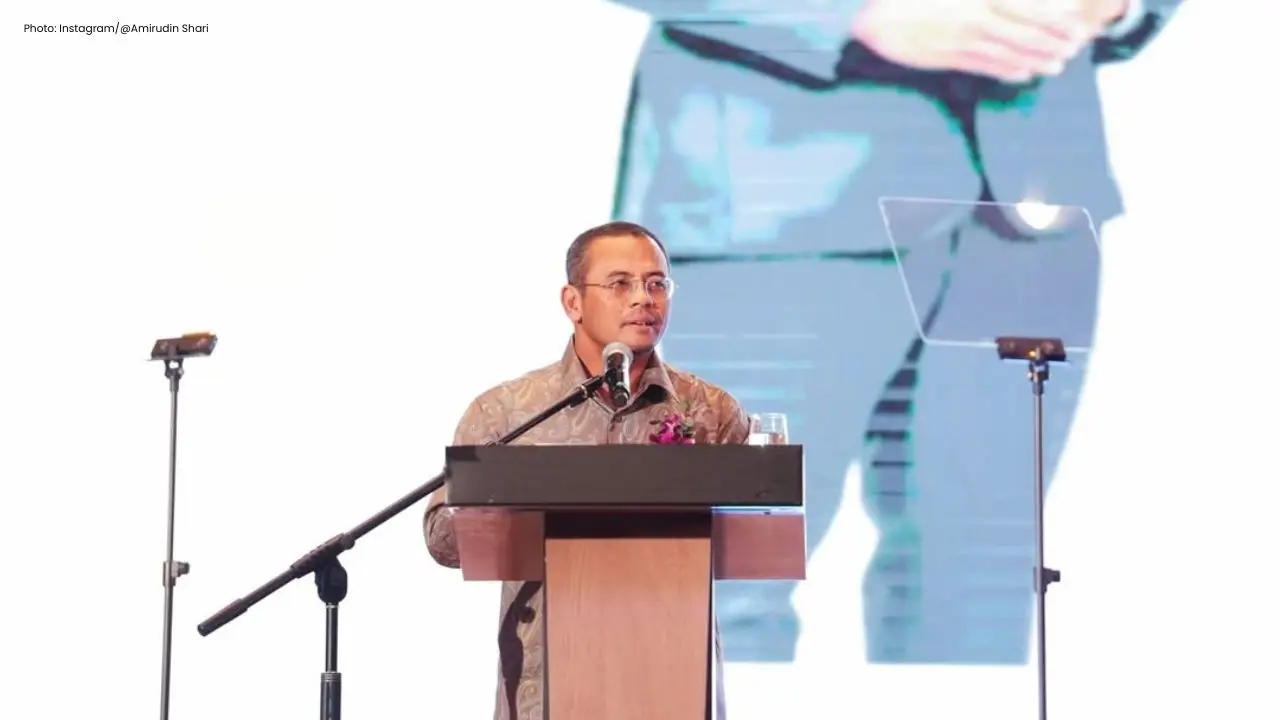
Economy Minister Akmal Nasrullah Mohd Nasir revealed that the necessary infrastructure is already in place, allowing for this adjustment without incurring additional costs.
This decision is timely, coinciding with global energy unpredictabilities tied to conflicts in West Asia, which have impacted fuel markets and raised concerns over sustained supply reliability.
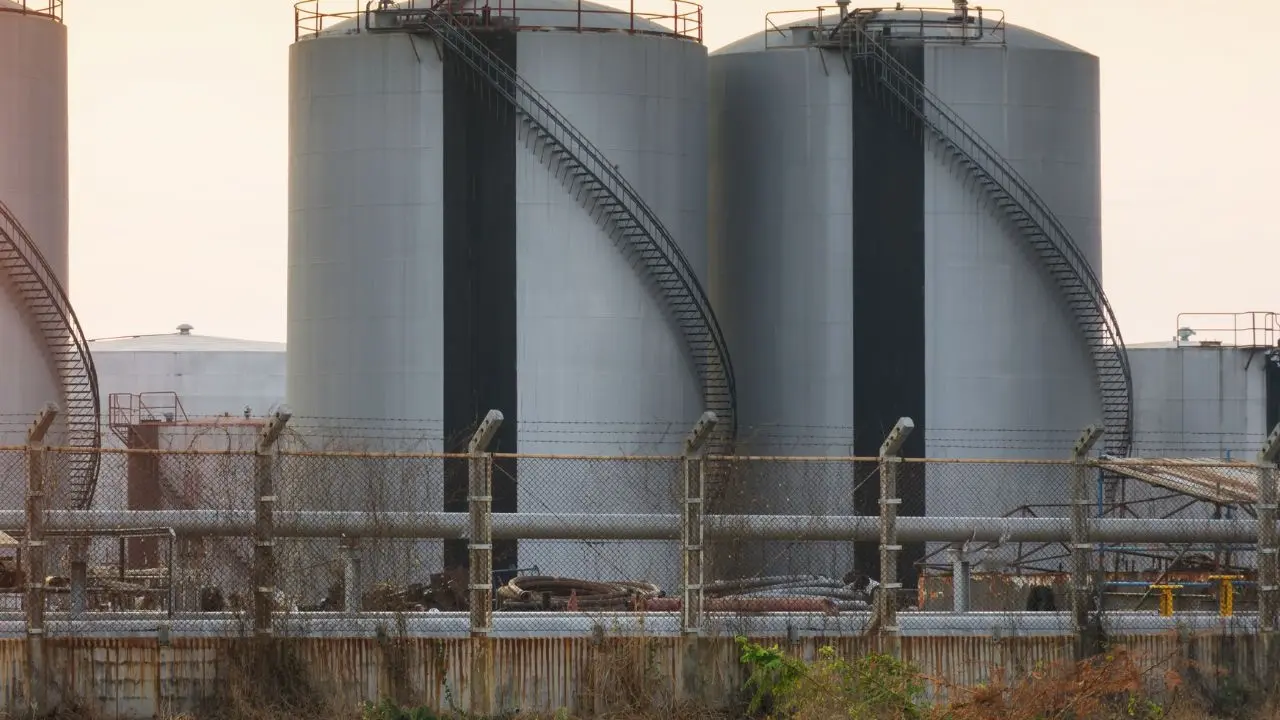
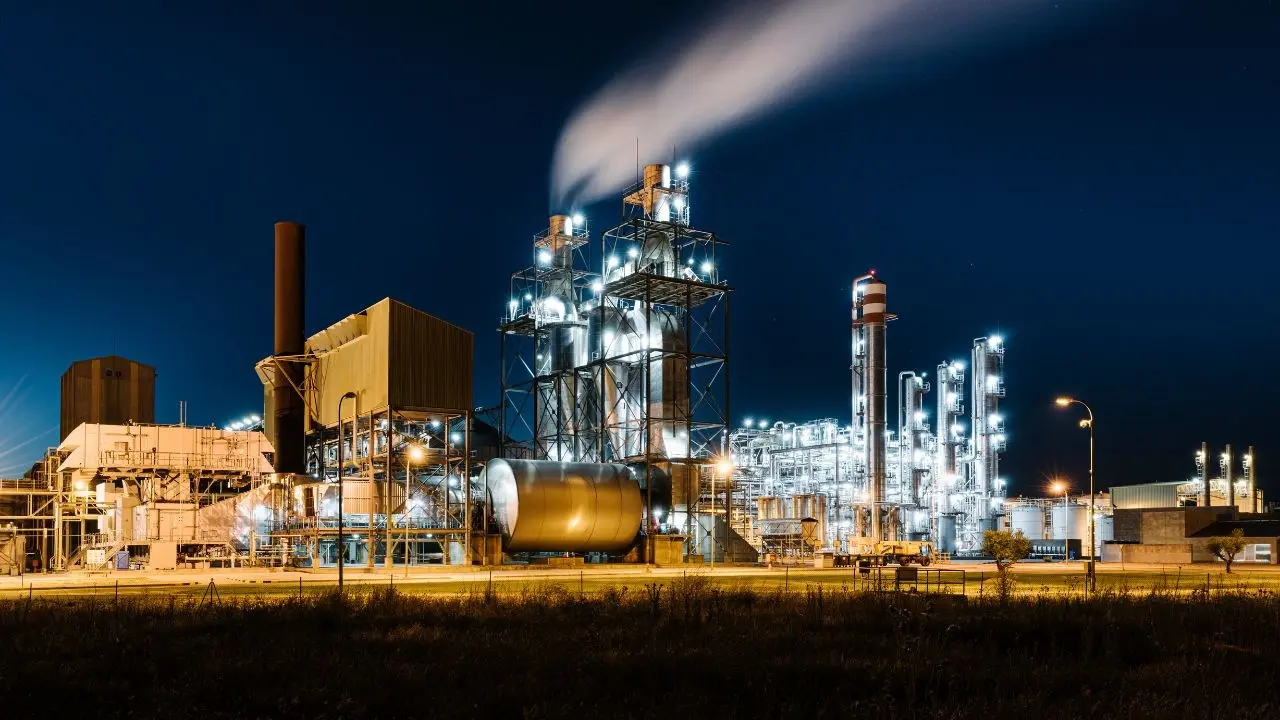
Data show that Malaysia produced 975,207 metric tonnes of biodiesel in 2025, with a total production capacity of 2.36 million metric tonnes. This illustrates that the nation possesses adequate industrial resources to facilitate greater biodiesel blending.
Officials regard biodiesel as a feasible and immediate measure to decrease dependency on fossil fuels. They emphasize that the current supply chains, blending facilities, and infrastructure will facilitate a structured transition.
Additionally, increasing biodiesel consumption is seen as a way to stretch the nation's diesel reserves. Future intentions include enhancing facilities for even higher blends like B20 and B30, especially for the commercial and public sectors.
The government is committed to collaborating with industry partners to ensure effective implementation while keeping a close watch on global developments, with a focus on creating a more resilient and sustainable energy framework.