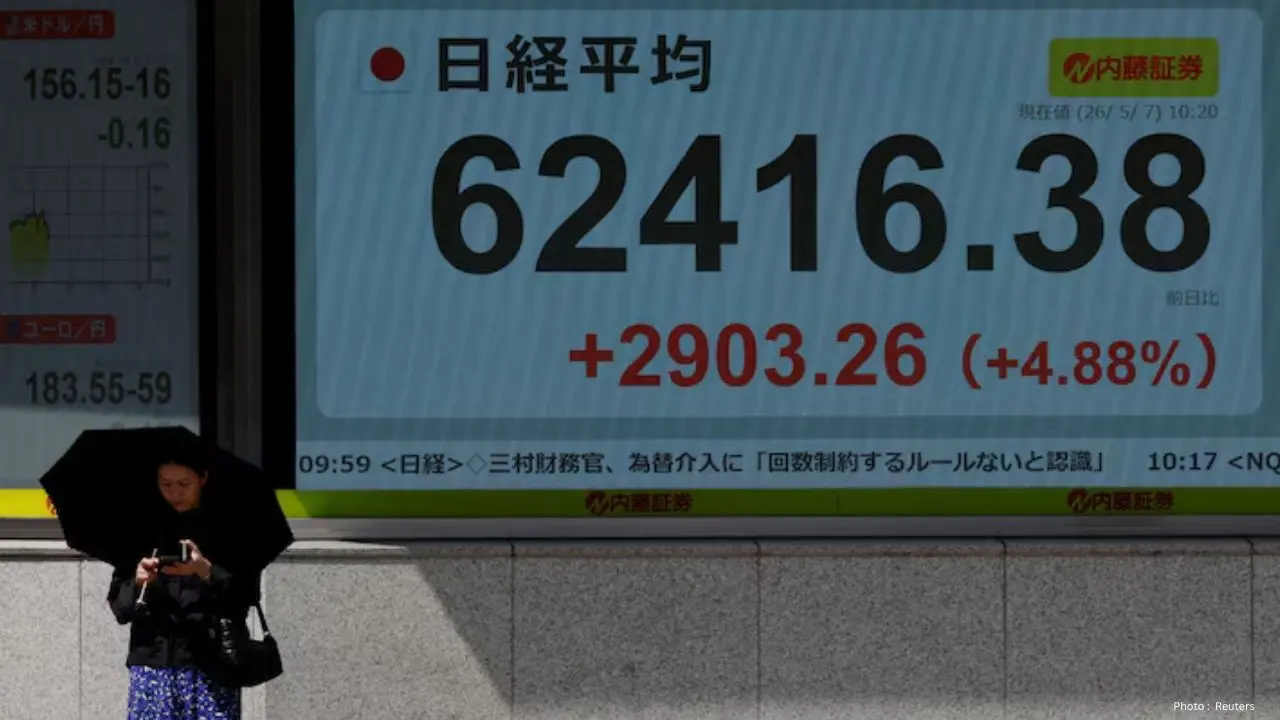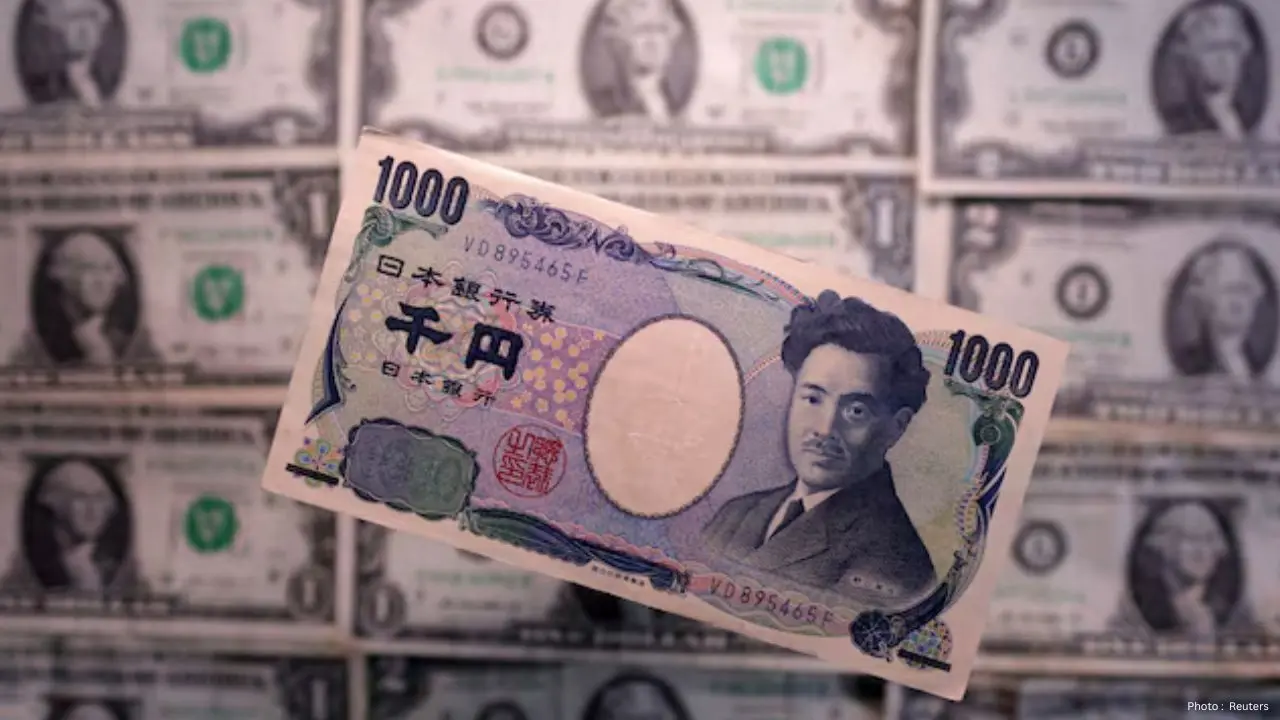
Japan's readiness to stabilize the yen is clear, even with the International Monetary Fund (IMF) indicating it operates under a floating exchange rate. The nation's leading foreign exchange official emphasized that this classification will not deter them from intervening if market conditions dictate.
This declaration emerges as the yen faces intense pressure in international currency markets, depreciating significantly against the US dollar recently and raising alarms over rising import costs and economic stability.
Officials are now vigilant, warning of potential intervention should the yen's volatility escalate rapidly. This process, termed currency intervention, involves a government acting to buy or sell its currency to manage its perceived value.
The IMF sorts currencies by management styles, where a floating exchange rate primarily allows market forces like supply and demand to influence a currency's value. Nevertheless, Japan asserts that even in a floating system, governments retain the authority to intervene during extreme market volatility.
Japan’s forex chief reiterated that the IMF classification does not exempt countries from addressing significant market disruptions. His focus remains on preventing chaotic fluctuations that can adversely affect the economy, opposed to maintaining fixed currency control.
The softening yen presents both hurdles and prospects for Japan. While a depreciated currency escalates import costs—fuel, food, and raw materials—resulting in greater inflation for consumers, it simultaneously benefits exporters, allowing firms selling overseas to see greater returns when converted back into yen, potentially driving economic growth.
However, erratic currency shifts can introduce uncertainty in financial markets, complicating business investment strategies, and inducing a cautious attitude in investors. As a mitigating tactic, governments may intervene to stabilize conditions.
Japan has a history of currency market interventions during pronounced volatility, having purchased yen in previous instances to shield its value. These actions typically occur in cooperation with central banks and under global financial oversight.
Current circumstances also reflect larger economic dynamics, particularly the gulf between interest rates in Japan and the United States contributing to yen weakness. The US Federal Reserve's recent interest hikes, aimed at controlling inflation, contrast with Japan keeping rates low to foster domestic economic growth.
This disparity enhances the appeal of the US dollar, thus raising demand for dollars and putting further strain on the yen. Consequently, Japan finds itself obliged to navigate currency management without undermining global financial equilibrium.
Japan's forex head's communication serves to assure markets of their willingness to act, hoping to temper excessive speculation against the yen. Assertive verbal signals can sometimes serve as a deterrent in market behavior.
Analysts predict that Japan will likely maintain a cautious approach, reserving direct intervention as a last resort for genuinely disruptive market conditions. Preferring to influence market dynamics through communication and policy modifications is generally the approach taken.
The IMF monitors worldwide currency management practices, endorsing flexible exchange rates while permitting government intervention in cases of harmful or tumultuous market activities.
This stance from Japan illustrates a balancing act, honoring international financial regulations while safeguarding national economic interests. Their primary goal is achieving stability without fostering unnecessary friction in global markets.
The current scenario underscores the intricate ties that bind global economies—currency variations in one nation can ripple through trade, investment, and financial landscapes across the globe, necessitating coordinated responses and transparent communication among nations.
Japan remains vigilant in its oversight of the yen's trajectory and global market engagements. Authorities are poised for intervention if necessary while exercising caution about the timing and effects of any actions taken.
The message from Japan is unequivocal: although the yen is designed to function under a floating exchange rate model, the government stands ready to intervene should market fluctuations become untenable. Current global economic conditions demand prioritizing stability as an ongoing commitment.