Iran is currently evaluating a newly proposed peace initiative from the United States, which aims to bring an end to the ongoing hostilities in the Middle East. Senior officials in Tehran, however, have raised significant concerns about the feasibility of the plan, which has garnered increasing international scrutiny amid ongoing diplomatic efforts to stave off escalation in the region.
The proposal consists of a one-page memorandum presented by the U.S., outlining a potential framework for ceasing hostilities and opening avenues for broader negotiations. Key components of the agreement involve discussions on sanction relief, military de-escalation, reopening shipping routes through the Strait of Hormuz, and imposing limitations on Iran's nuclear program.
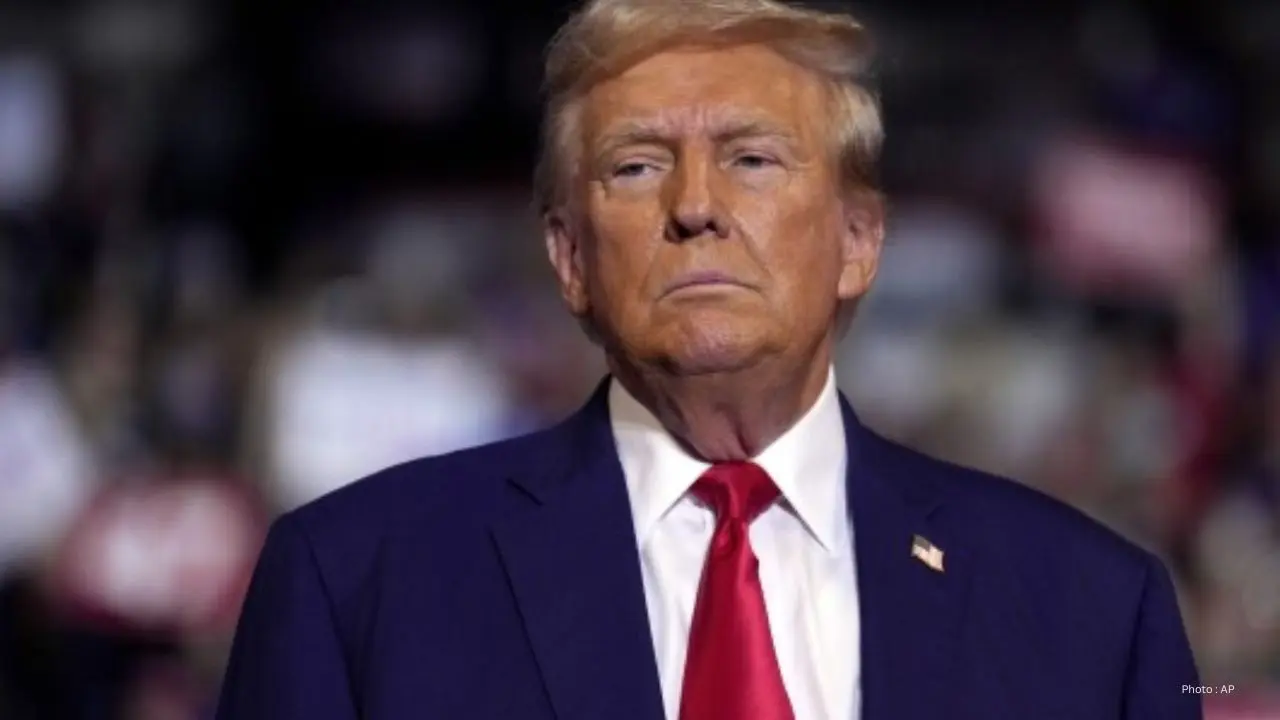
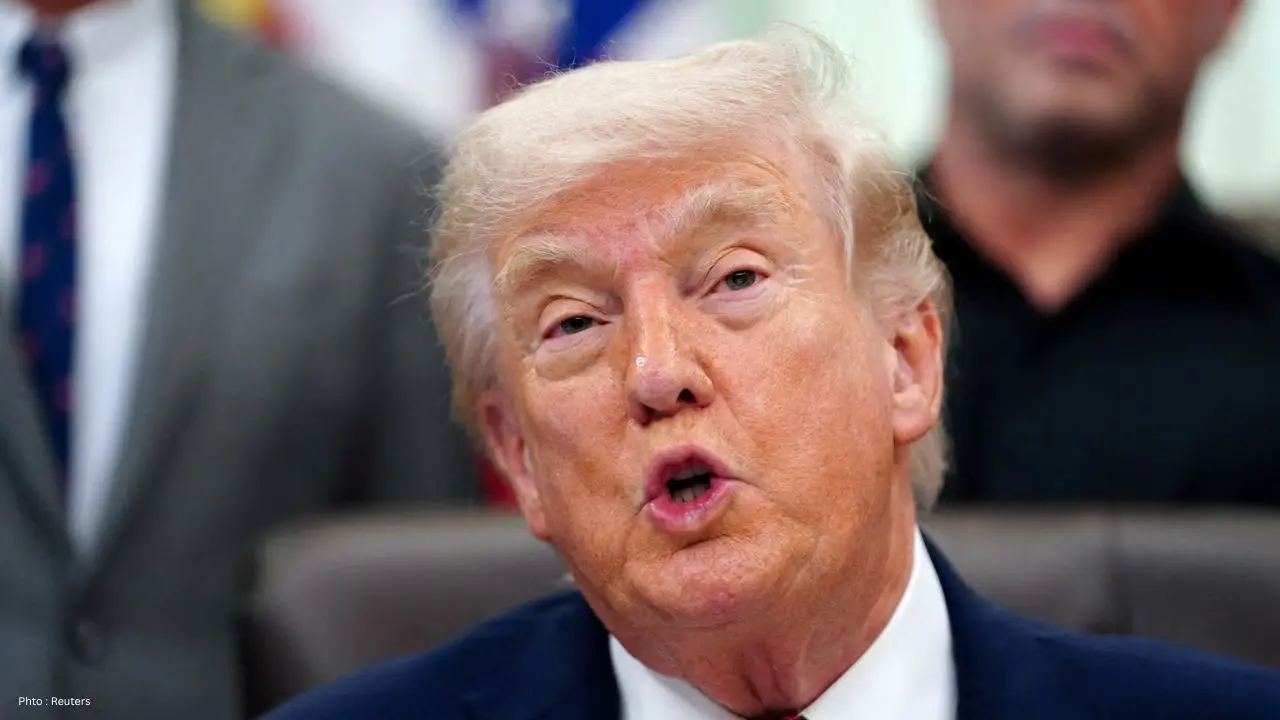
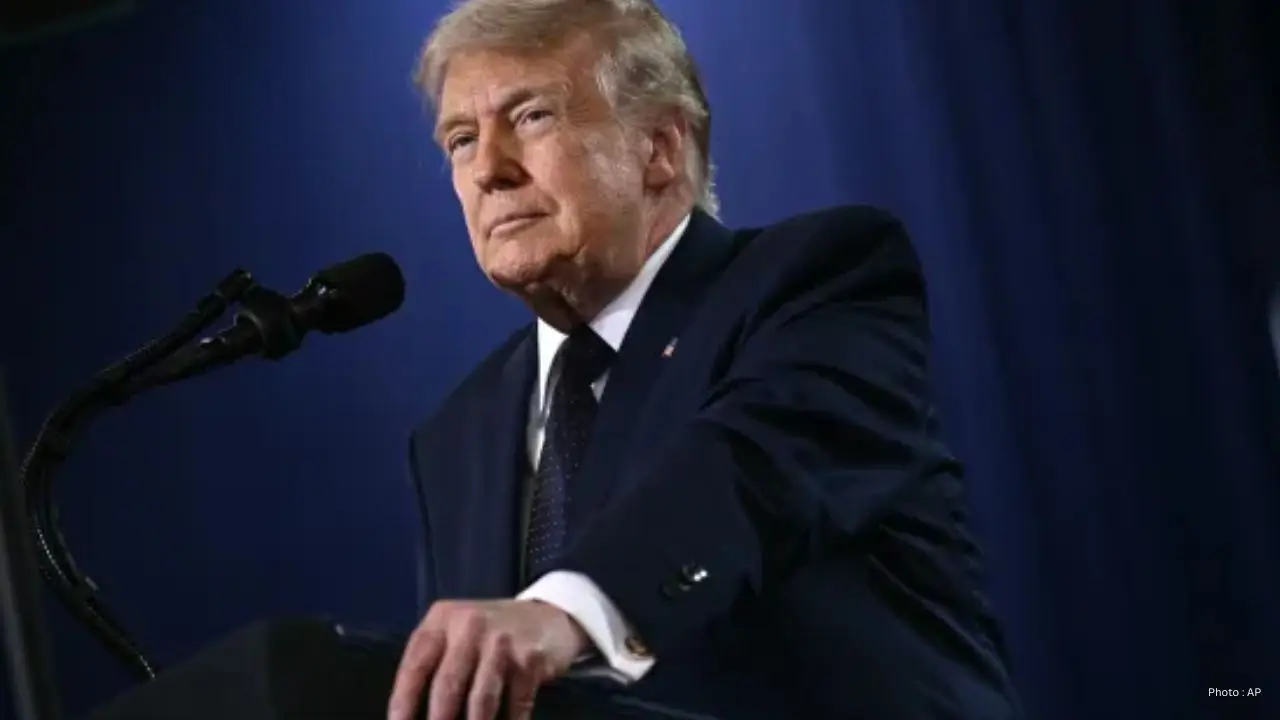
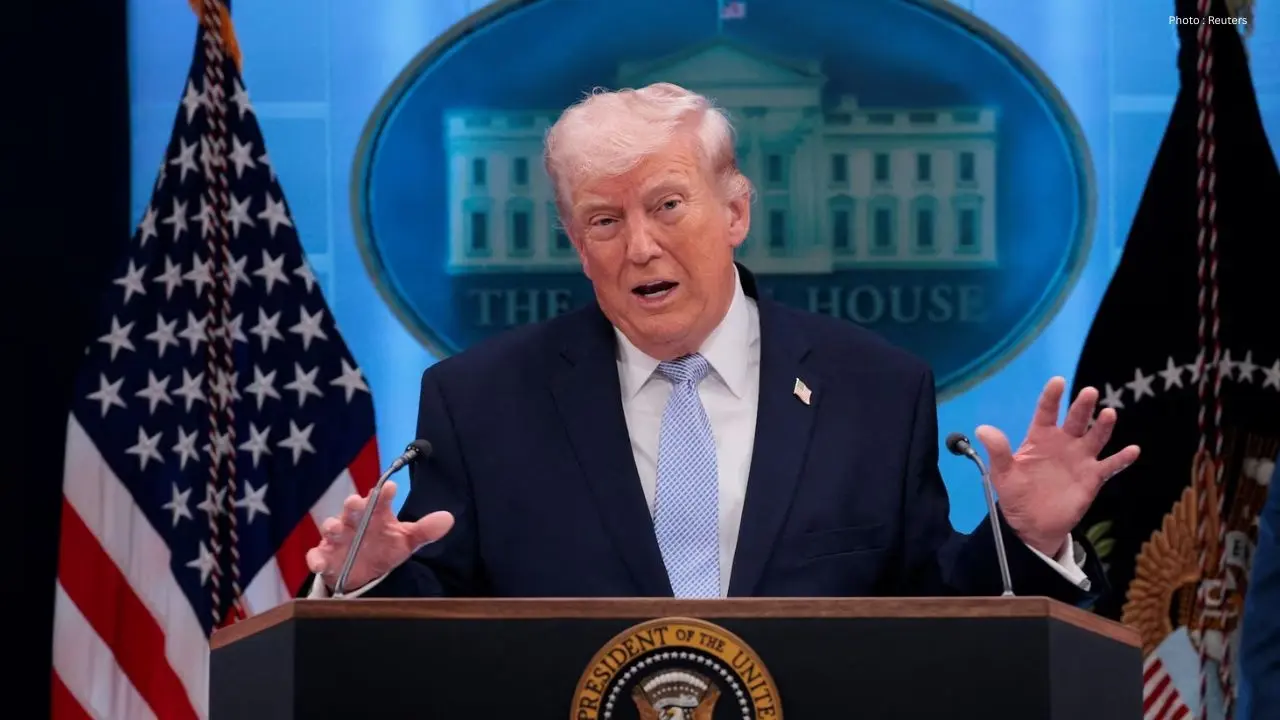
President Donald Trump reported recent dialogues with Iranian officials as having demonstrated progress, asserting that a resolution could be imminent. In a statement to reporters at the White House, he characterized the discussions as "very positive" and expressed optimism about swiftly concluding the conflict if negotiations proceed favorably.
Despite these claims, reactions within Iran have shown a mix of caution and division. Ebrahim Rezaei, a member of Iran's parliamentary foreign policy committee, publicly criticized the specifics of the proposal, labeling it as "more of a wish list from the U.S. than a tangible plan." He pointed out that the U.S. was insisting on conditions that it previously had been unable to secure in earlier negotiations.
Iranian authorities have highlighted persistent unresolved issues, including Tehran's nuclear ambitions and overarching regional security dynamics. Some reports indicate that the current proposition falls short of addressing key U.S. conditions, particularly concerning Iran's nuclear enrichment suspension or the unrestricted transit through the strategic Strait of Hormuz.
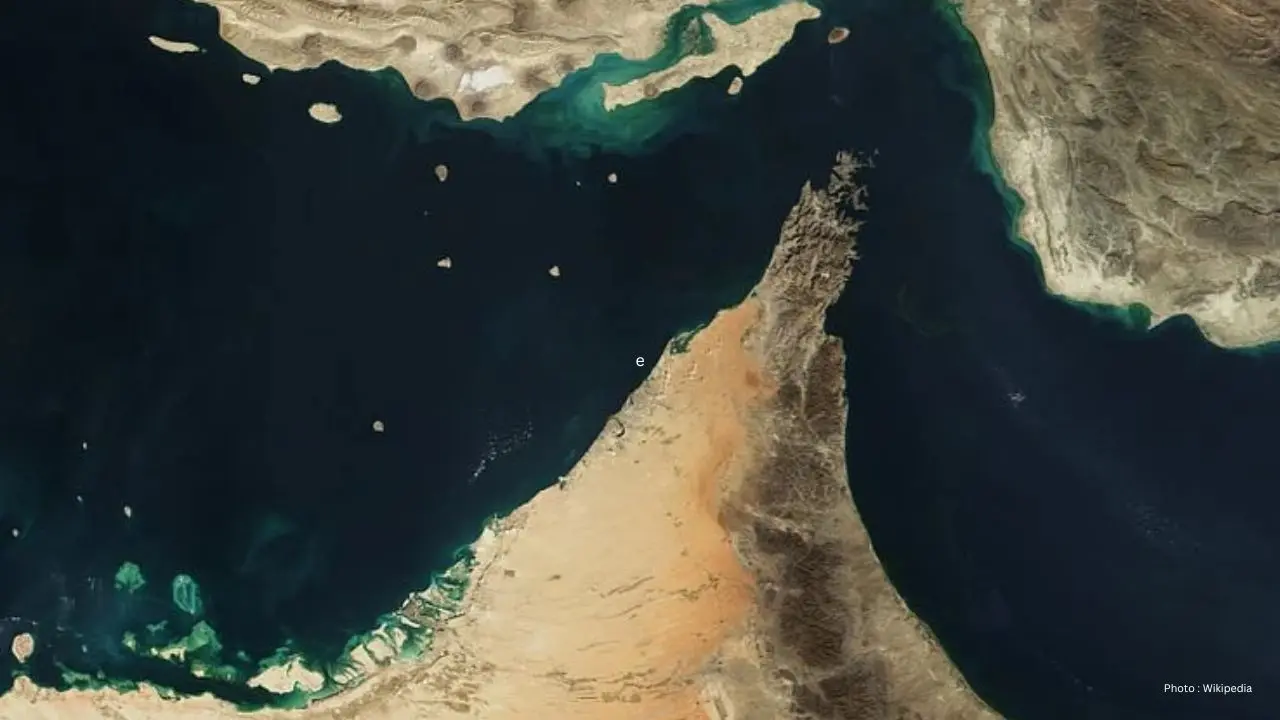
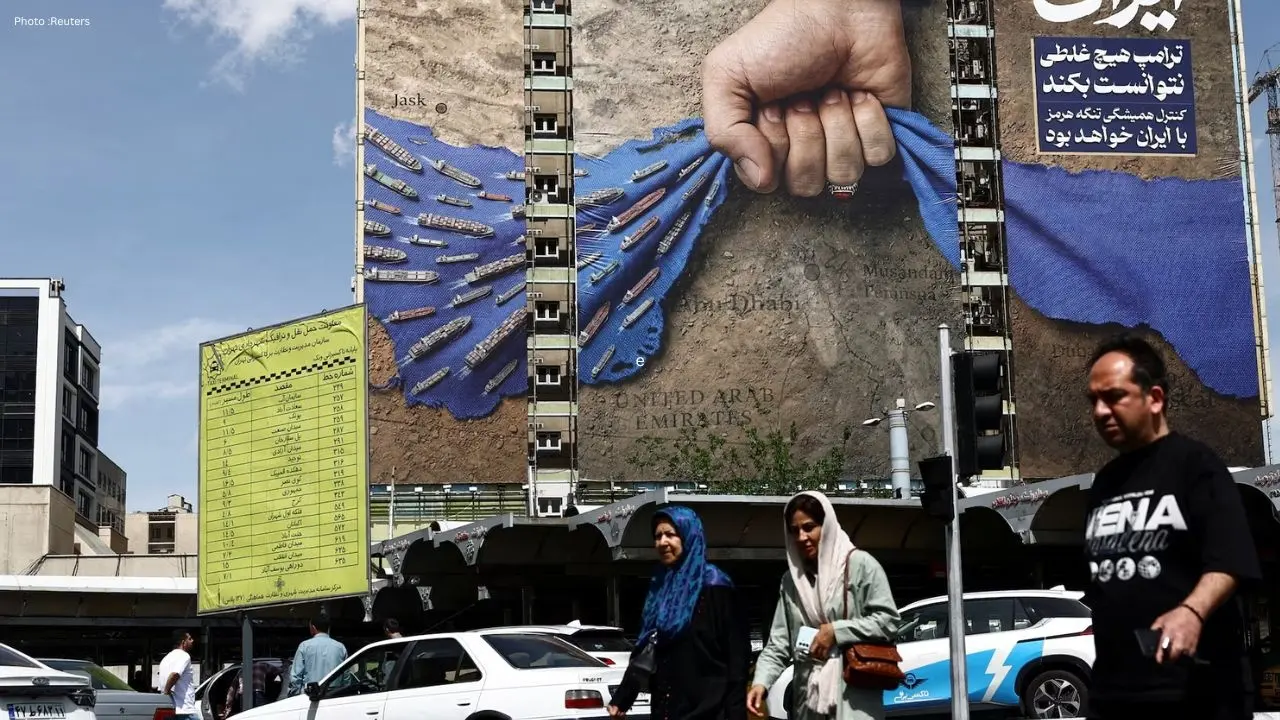
The Strait of Hormuz remains a focal point in these discussions, being one of the world's crucial oil shipping lanes. Heightened tensions in this area have led to concerns over global energy supplies and overall economic stability, with oil prices reportedly declining following news of ongoing discussions regarding potential peace terms.
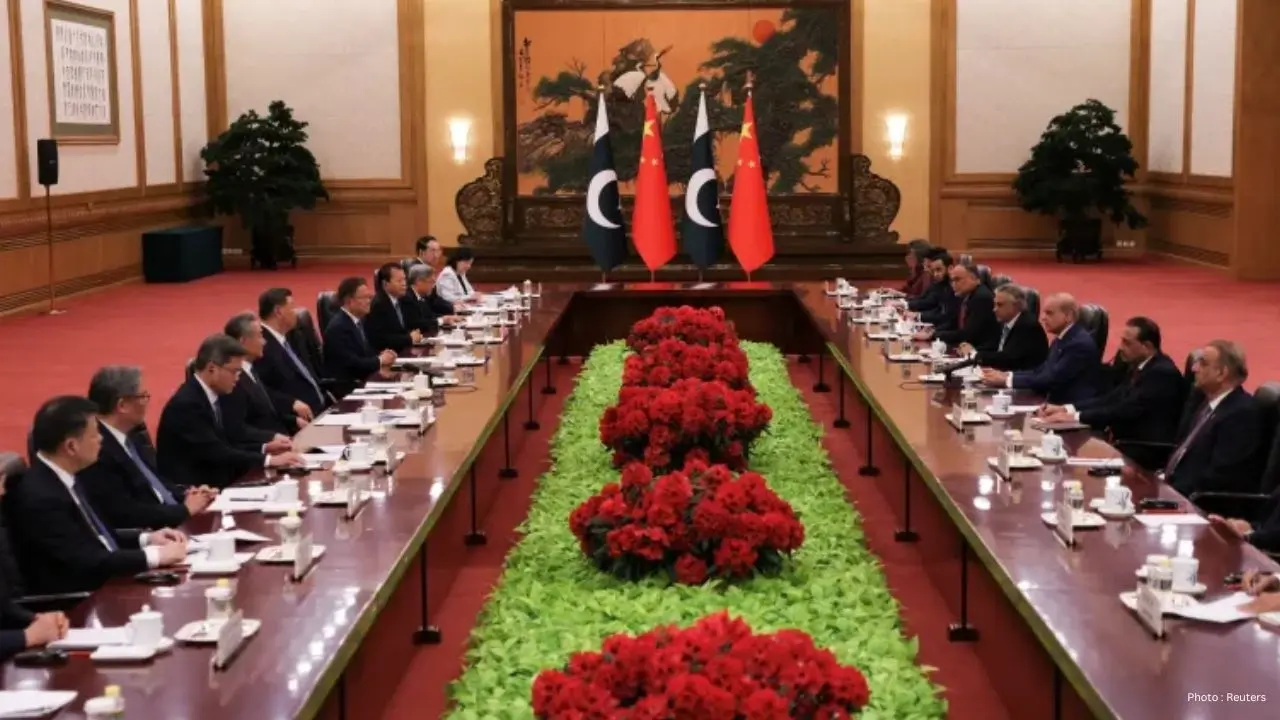
Sources involved in diplomacy stated that intermediaries, including Pakistan, have been instrumental in facilitating communications between Washington and Tehran during the latest rounds of discussions. An official response from Iran is anticipated through diplomatic channels in the days ahead.
While there appear to be signs of potential advancement, analysts caution that significant disparities remain between the two parties. Iran has maintained that any agreement should uphold its national sovereignty and interests, while the U.S. persists in advocating for rigorous restrictions related to nuclear endeavors and regional security. Experts predict that negotiations could still encounter delays or complications before a final agreement is reached.
The ongoing situation is being closely monitored by global leaders and financial markets, as the prospects for a diplomatic resolution remain ambiguous. International powers continue to urge for restraint, dialogue, and collaborative efforts to avert a larger regional conflict.