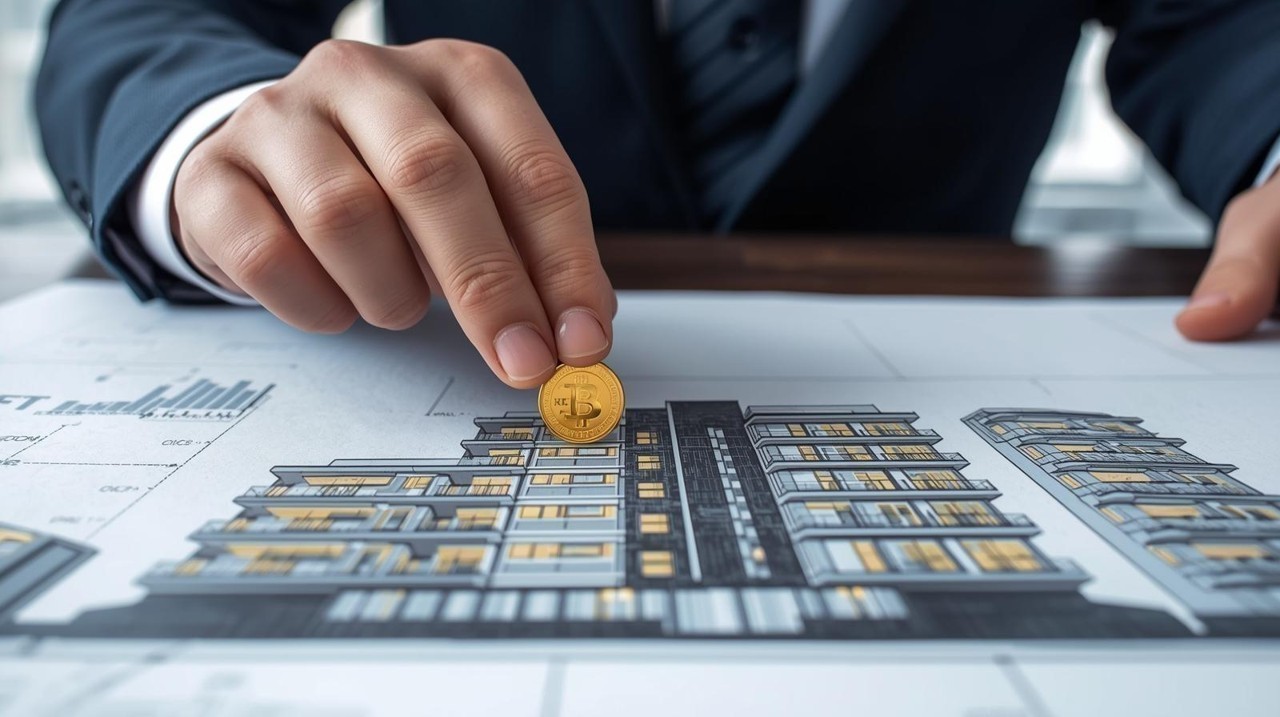
Investing in Off-Plan Properties: Pros and Cons
Investing in real estate has always been one of the most reliable ways to grow wealth, and in recent years, off-plan properties have gained tremendous popularity among investors—especially in markets like Dubai, where development never slows down. But before diving in, it’s essential to understand what off-plan investments are and what advantages and risks they carry.
What Is an Off-Plan Property?
An off-plan property refers to real estate that is sold before it’s completed or even before construction begins. Buyers purchase these properties directly from developers, often at prices lower than the market rate for ready units. This approach allows investors to secure prime properties with flexible payment plans and potential for high returns.
Pros of Investing in Off-Plan Properties
1. Lower Purchase Price
Off-plan properties are typically sold at discounted prices, allowing investors to buy early before prices rise upon completion. Developers often offer attractive launch prices and easy payment plans to attract buyers.
2. High Return on Investment (ROI)
Buying early means you can benefit from capital appreciation as the project nears completion. Many investors sell before handover at a profit once the market value increases.
3. Flexible Payment Plans
Developers usually offer installment-based payments, reducing the need for full upfront investment. This makes it easier for investors to manage finances and diversify their portfolios.
4. Modern Design and Amenities
Off-plan projects often include modern architecture, smart home features, and luxury facilities, appealing to future buyers and tenants. This increases both resale and rental potential.
5. Developer Incentives
Buyers often enjoy benefits such as zero commission, waived DLD fees, or post-handover payment plans, making the investment even more attractive.
Cons of Investing in Off-Plan Properties
1. Market Uncertainty
Property values can fluctuate before completion. Economic shifts, interest rate changes, or global events can affect the resale value or demand.
2. Project Delays
Delays are common in construction projects. Extended timelines can affect your financial planning and expected ROI.
3. Developer Reliability
Not all developers have the same track record. Investing in unknown or inexperienced developers can be risky if the project faces funding or quality issues.
4. Lack of Immediate Returns
Unlike ready properties, off-plan investments don’t generate rental income until completion, meaning your capital is tied up for a while.
5. Changes in Design or Layout
Sometimes, developers make adjustments to the final design or amenities, which may differ slightly from initial plans or brochures.
Tips for Safe Off-Plan Investment
-
Research the developer’s track record and past projects.
-
Review the RERA-approved project details before buying.
-
Choose projects with escrow protection, ensuring your money is used only for construction.
-
Consult a real estate expert or legal advisor before signing contracts.
-
Always consider the project location—proximity to infrastructure, schools, and business districts matters.
Final Thoughts
Off-plan properties can be an excellent investment for those looking to maximize profits with lower entry costs and flexible payments. However, it’s crucial to balance optimism with due diligence. Understanding both the pros and cons helps you make a confident and informed decision that aligns with your long-term financial goals.