How Dubai’s Tourism Boom Fuels Real Estate Growth
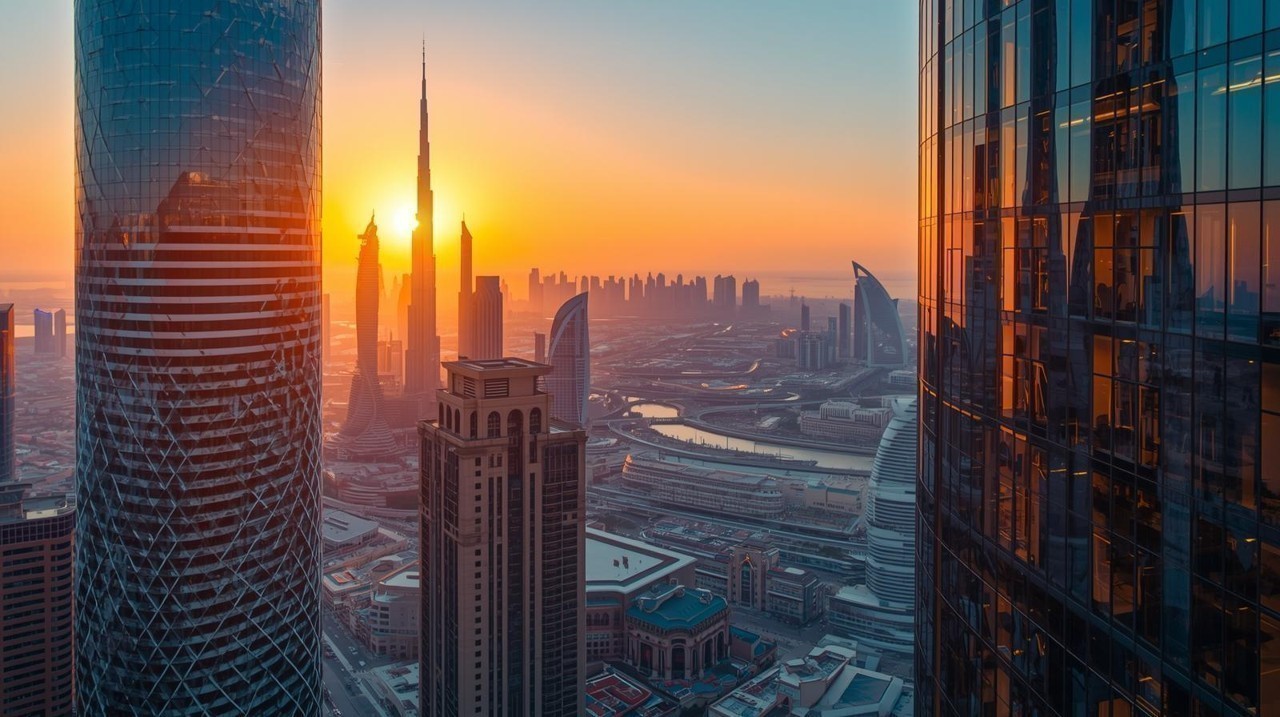
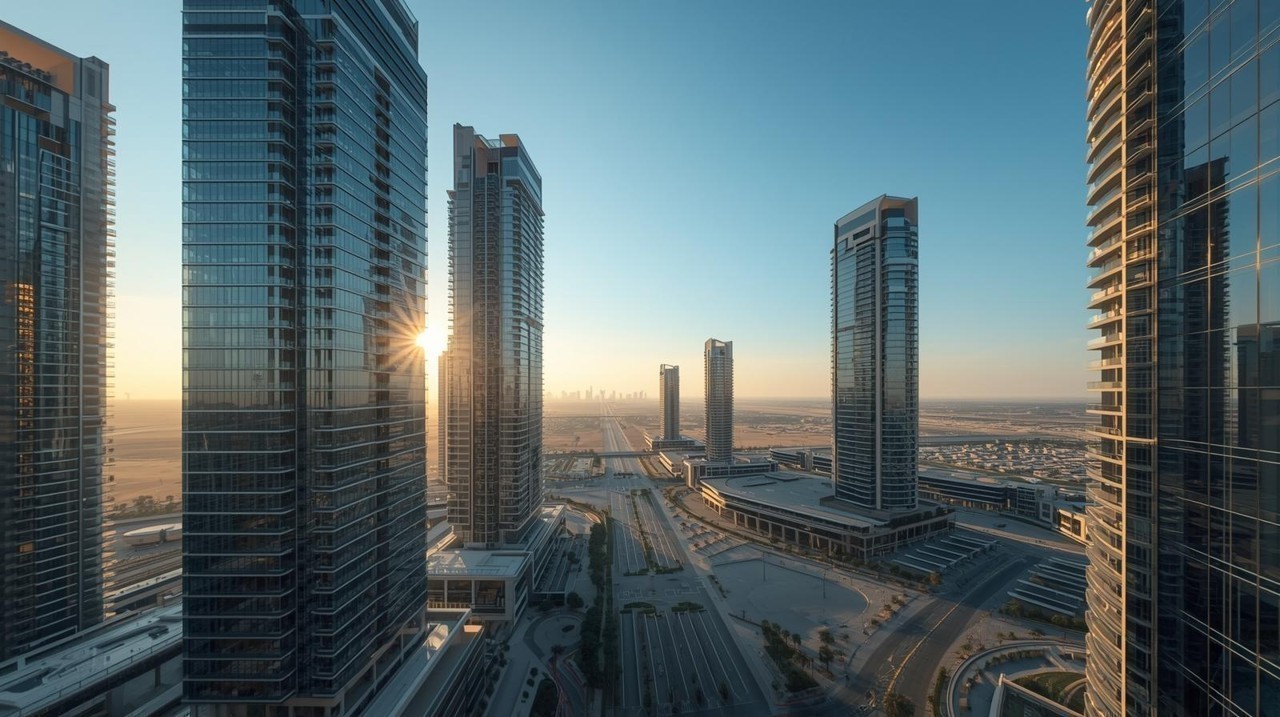
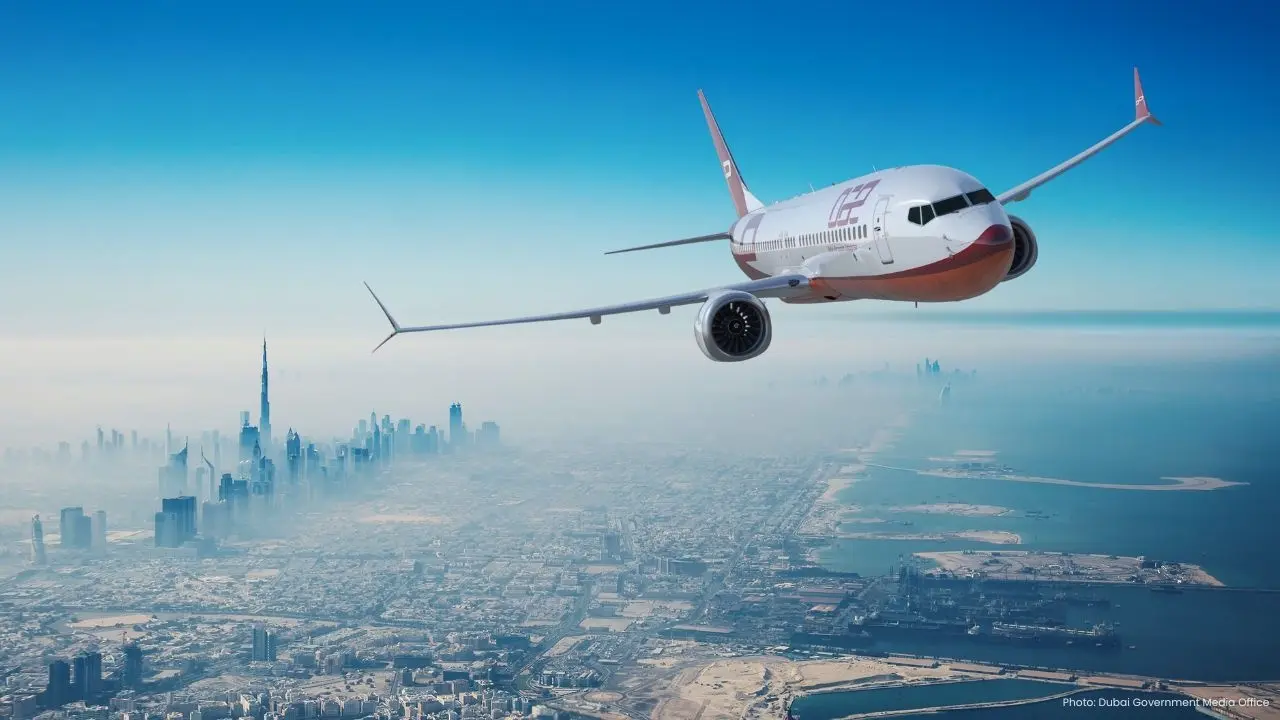
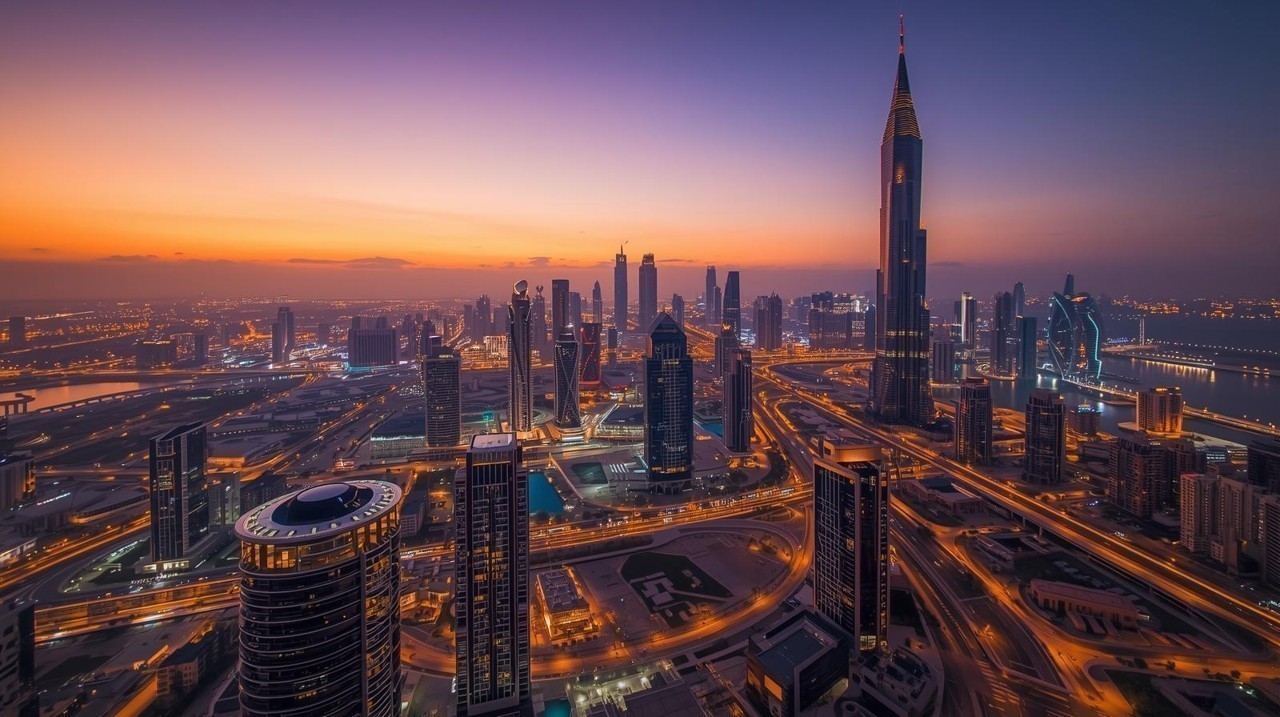
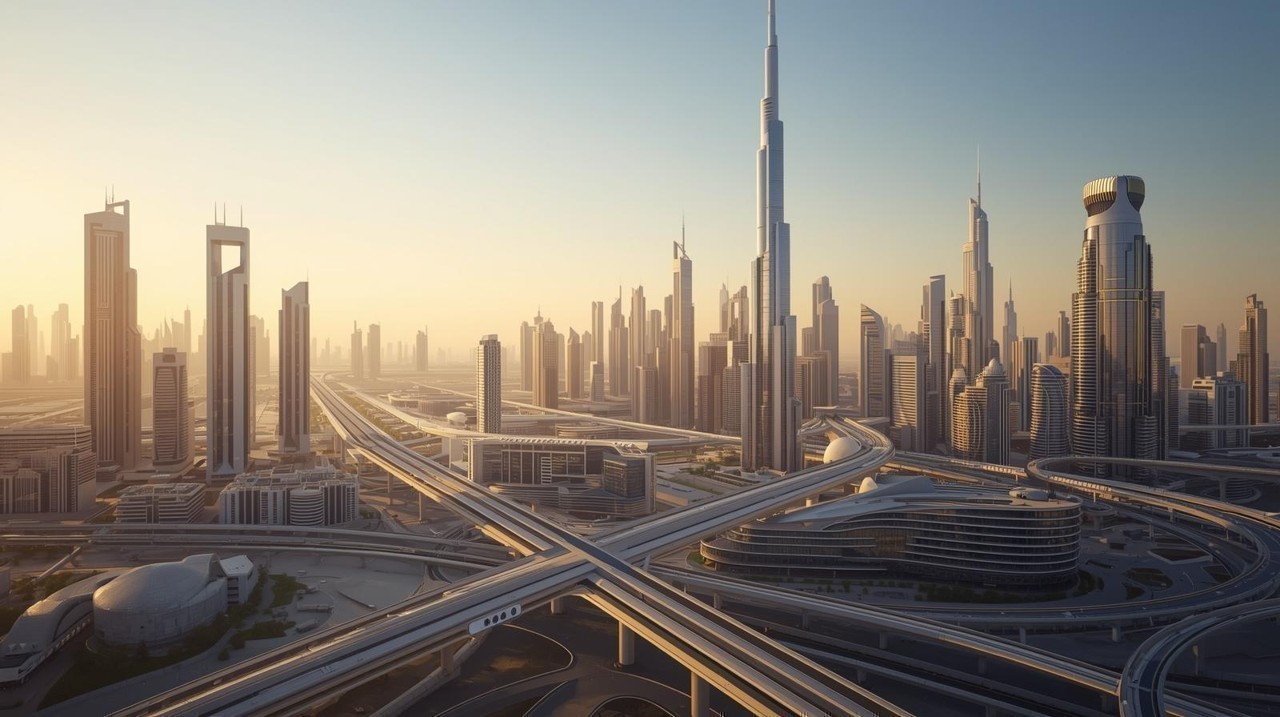
Dubai, often called the city of innovation and luxury, has long been a magnet for travelers from all around the world. With its futuristic skyline, world-class shopping destinations, pristine beaches, and cultural diversity, Dubai continues to dominate the global tourism landscape. But what many don’t realize is that this tourism boom is deeply intertwined with the city’s real estate success.
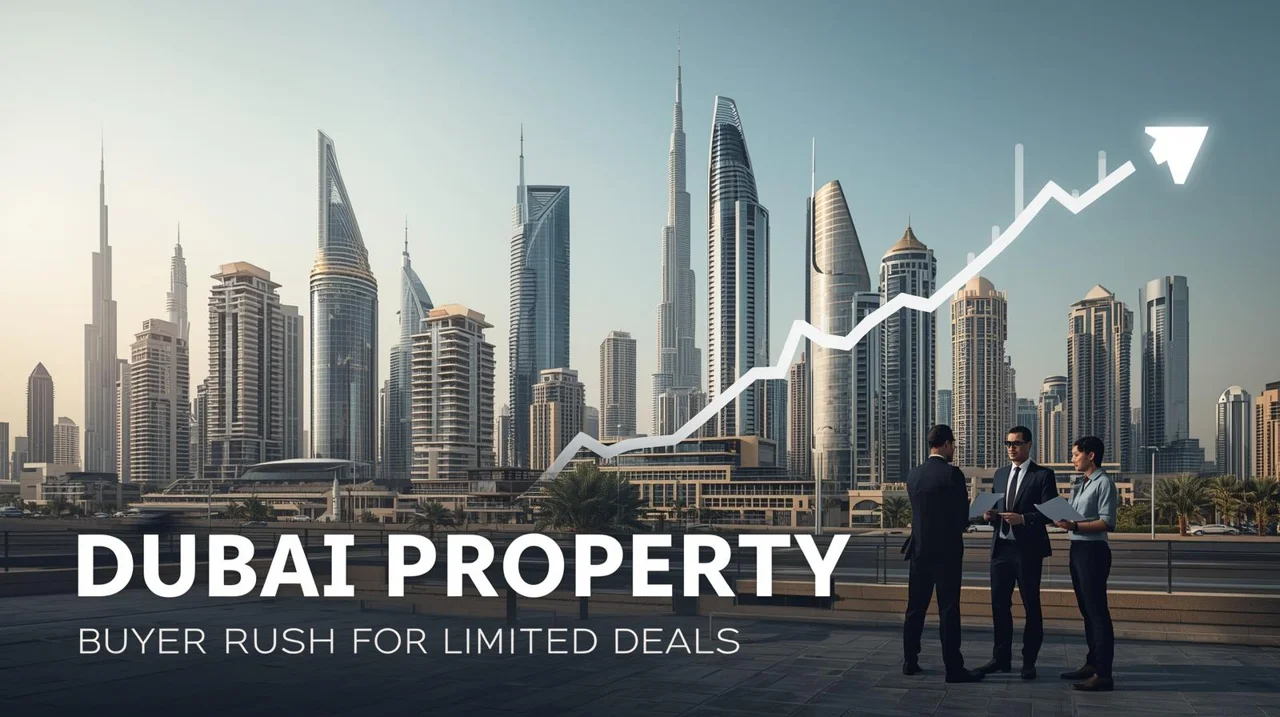
As millions of tourists visit each year, Dubai’s property market thrives on rising demand for hotels, serviced apartments, and holiday homes. This powerful connection between tourism and real estate has made Dubai one of the most dynamic investment destinations in the world.
1. The Growing Tourism Industry: A Backbone of Dubai’s Economy
Tourism plays a vital role in Dubai’s economic structure. According to Dubai’s Department of Economy and Tourism (DET), the emirate welcomed over 17 million visitors in 2024 — marking a record-breaking recovery after the pandemic. These numbers are expected to climb even higher by 2026, especially with ongoing global marketing efforts and major international events hosted in the city.
Key tourism drivers include:
-
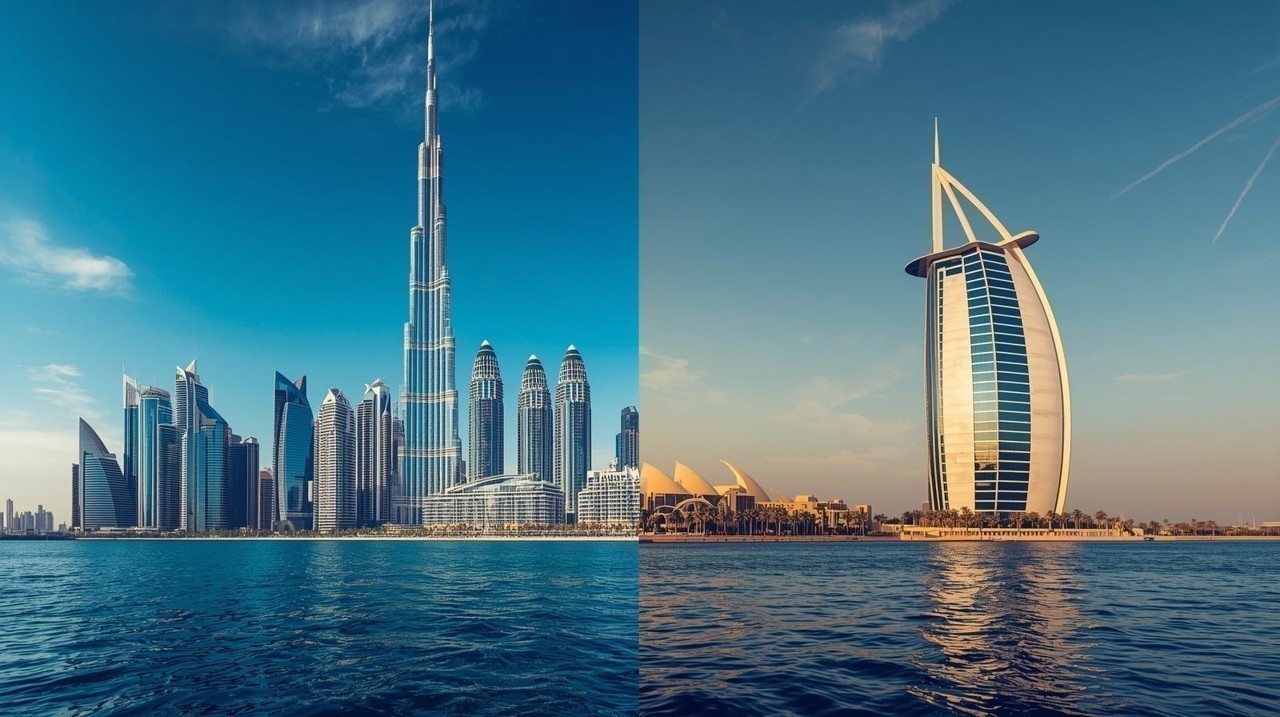
Global attractions like Burj Khalifa, Dubai Mall, and Palm Jumeirah
-
Year-round events such as Dubai Shopping Festival, Expo City events, and Dubai World Cup
-
A growing number of luxury resorts, beach clubs, and cultural attractions
This steady influx of tourists doesn’t just benefit hotels and restaurants — it directly stimulates real estate demand across the emirate.
2. How Tourism Boosts the Real Estate Market
Every new visitor contributes to Dubai’s property ecosystem in some way — either by renting vacation homes, staying in hotels, or eventually investing in a second home. Here’s how this cycle works:
A. Rising Demand for Short-Term Rentals
With platforms like Airbnb and Booking.com, Dubai has seen an explosion in short-term rental properties. Tourists seeking flexible accommodation options prefer fully-furnished apartments in prime locations such as Downtown Dubai, Dubai Marina, and Business Bay.
For investors, this trend has opened up new revenue opportunities. Properties that once catered to long-term tenants now generate higher monthly returns through short-term leases, especially during peak travel seasons.
B. Increase in Hotel and Hospitality Investments
To cater to growing tourism, Dubai’s hospitality sector continues to expand. Global brands like Marriott, Hilton, and Accor are opening new properties every year, while local developers are also entering the hotel market.
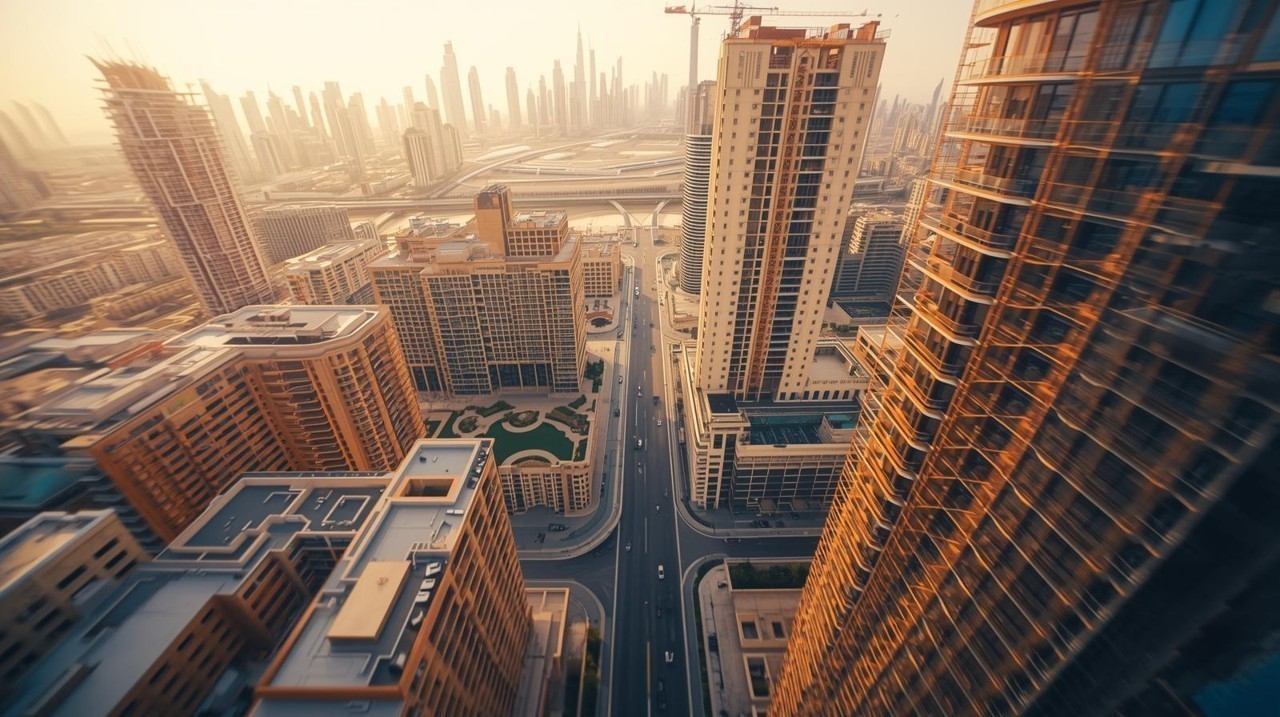
Developers are increasingly adopting mixed-use models, combining residential, commercial, and hospitality elements within one project. This not only attracts investors but also enhances community living experiences.
C. Foreign Investors Turn Tourists into Homeowners
Many tourists fall in love with Dubai’s lifestyle — its safety, infrastructure, and tax-free benefits. What starts as a vacation often turns into a real estate investment.
Developers strategically target these visitors by offering show apartments, exclusive tours, and flexible payment plans to encourage foreign ownership.
As a result, tourism effectively becomes a gateway to property investment, boosting sales of luxury villas, waterfront apartments, and branded residences.
3. The Role of Government Policies and Visionary Planning
Dubai’s government has played a crucial role in linking tourism and real estate growth. Policies and initiatives introduced over the years have made the emirate more investor- and visitor-friendly.
Golden Visa Program
Introduced to attract long-term investors, the Golden Visa allows property owners to live in Dubai for up to 10 years. This policy has encouraged thousands of foreign buyers to invest in residential properties.
Visa on Arrival and Tourism Ease
The UAE has expanded its visa-on-arrival policy to over 80 nationalities, making it easier for travelers to visit and explore. This accessibility fuels both tourism and property purchases.
Mega Projects and Infrastructure Development
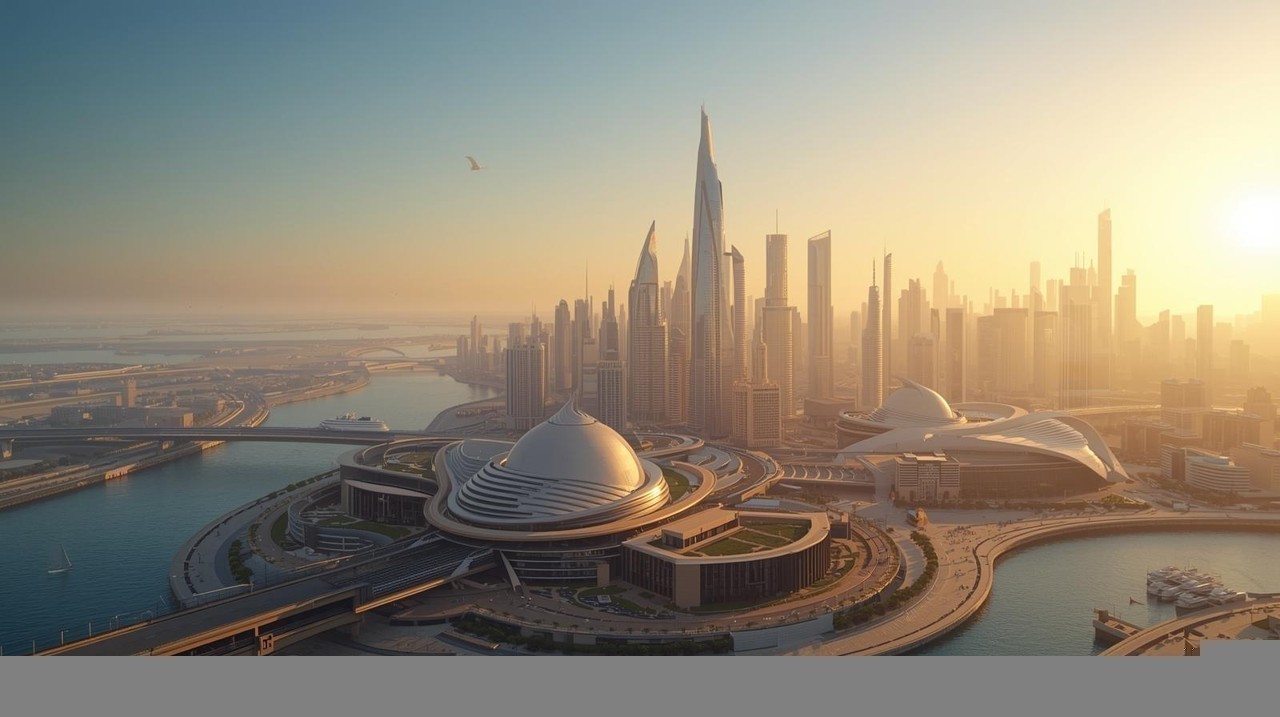
Iconic projects such as Dubai Creek Harbour, Expo City Dubai, and Dubai South are not only tourist attractions but also high-demand real estate zones. These areas blend entertainment, lifestyle, and investment — attracting both visitors and homebuyers.
4. Holiday Homes and Serviced Apartments: The New Trend
A growing segment connecting tourism and real estate is holiday home ownership. These are fully managed, short-stay apartments or villas rented out to visitors.
Why They’re Popular:
-
Tourists get luxury accommodation with the comfort of home.
-
Owners enjoy steady rental income without being full-time landlords.
-
Management companies handle bookings, maintenance, and guest services.
Areas like Palm Jumeirah, Downtown Dubai, Jumeirah Beach Residence (JBR), and Dubai Hills Estate have seen rising demand for such properties, making them hotspots for both tourists and investors.
5. The Role of Expo 2020 and Expo City Dubai
Expo 2020 Dubai played a major role in redefining the city’s global image. Beyond its tourism success, the Expo site has now transformed into Expo City Dubai — a sustainable, smart urban district that continues to attract residents, entrepreneurs, and visitors.
This transformation demonstrates how tourism-driven projects evolve into real estate landmarks. Property values in surrounding areas such as Dubai South and Jebel Ali have seen substantial appreciation since the Expo.
6. Hospitality Real Estate: The Blended Investment Model
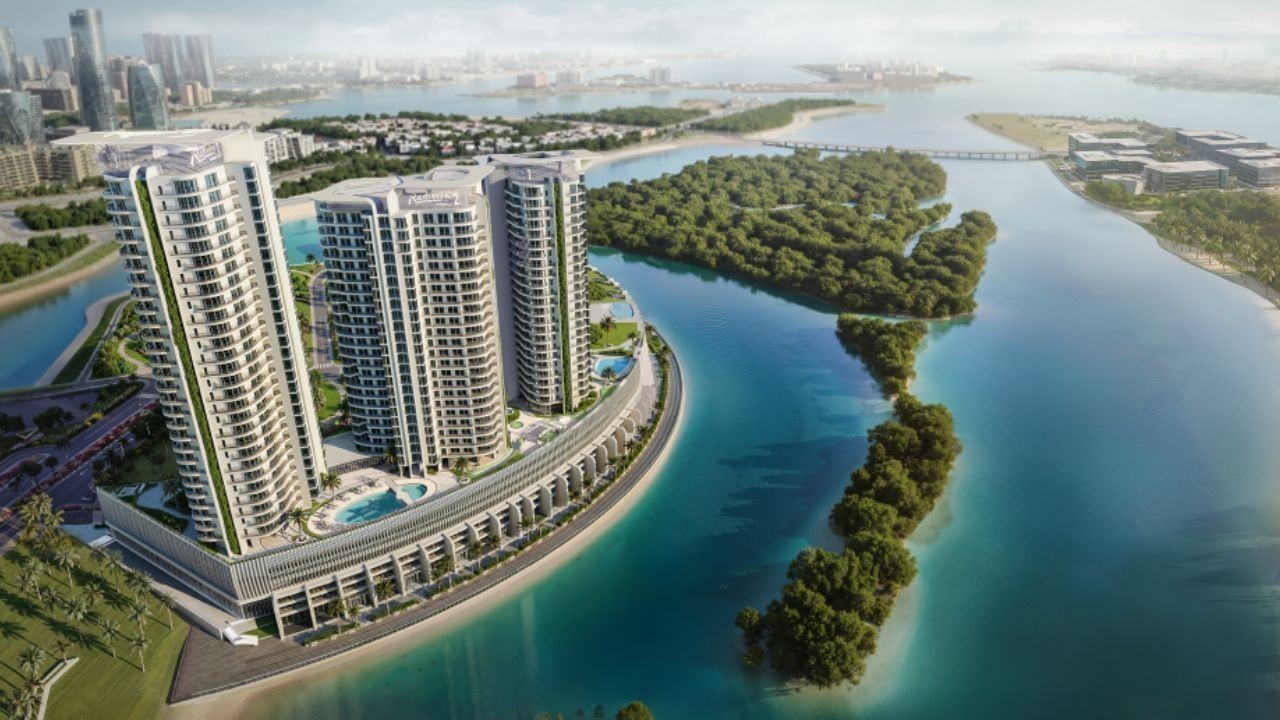
Another key factor in Dubai’s property-tourism synergy is the growth of hospitality real estate, where investors buy units in branded hotels and resorts. These come with guaranteed returns and professional management.
Some leading examples include:
-
The Address Hotels by Emaar
-
DAMAC’s Paramount Hotels & Resorts
-
Rove Hotels targeting mid-market travelers
This model gives investors the benefit of hotel-grade returns without operational hassles — while boosting tourism capacity at the same time.
7. The Ripple Effect: How Tourism Uplifts Property Values
When tourism flourishes, demand increases across multiple real estate categories — not just hotels.
Here’s how it impacts different segments:
-
Residential properties: Tourists-turned-residents drive long-term sales.
-
Retail and commercial properties: Growing tourism supports new malls, restaurants, and coworking hubs.
-
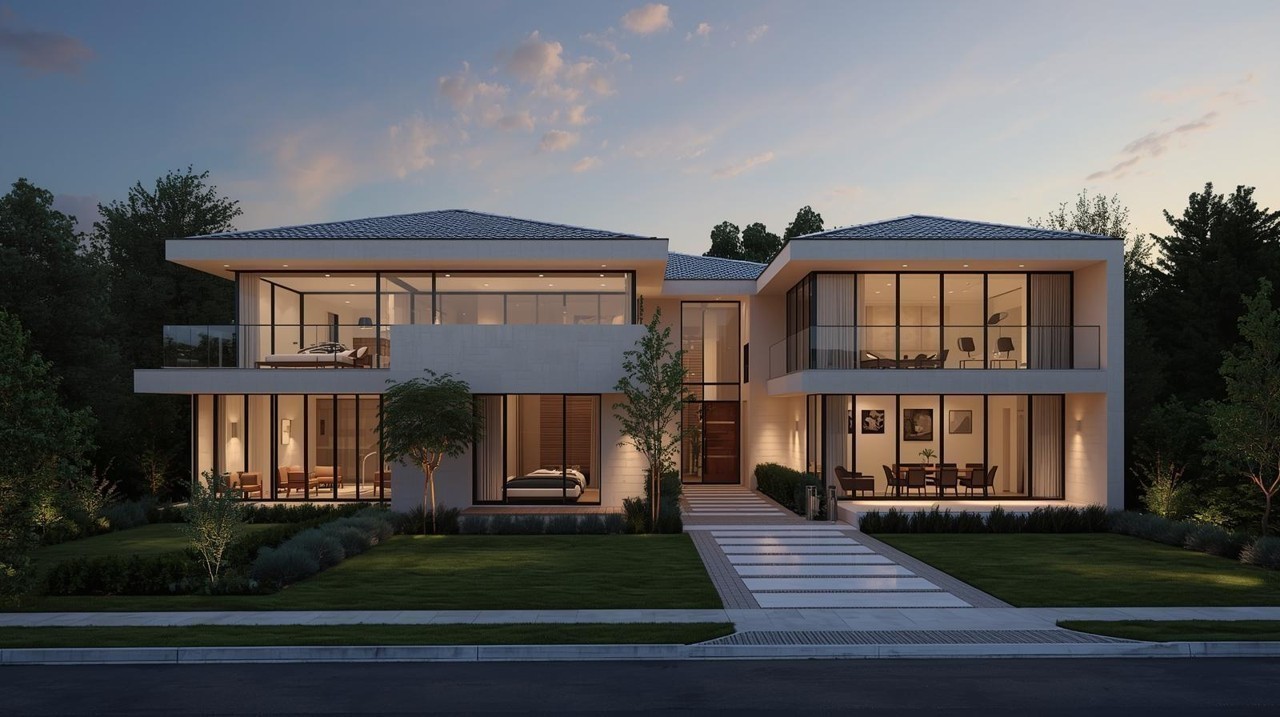
Luxury villas and waterfront homes: High-net-worth individuals prefer second homes in exclusive neighborhoods like Emirates Hills or Palm Jumeirah.
Essentially, tourism acts as a multiplier for real estate growth, directly affecting property values and investor confidence.
8. Future Outlook: A Sustainable Growth Story
As Dubai continues to diversify its economy, tourism and real estate will remain key growth engines.
Upcoming projects like Dubai Reefs (the world’s largest ocean restoration project) and new mega resorts on the islands will further strengthen the link between travel and property investment.
The focus on sustainable tourism, smart infrastructure, and luxury experiences ensures Dubai remains one of the world’s top destinations — for both travelers and real estate investors.
Conclusion
The relationship between Dubai’s tourism boom and real estate growth is no coincidence. It’s the result of careful planning, visionary development, and a commitment to providing world-class experiences for visitors and residents alike.
As tourism numbers continue to rise, demand for high-quality properties — from short-term rentals to long-term residences — will only grow stronger. For investors, this means one thing: Dubai’s real estate market is not just thriving — it’s evolving alongside its booming tourism sector.