Image Source: Google
No Screen, No Distractions: Google Launches Fitbit Air and New Health App
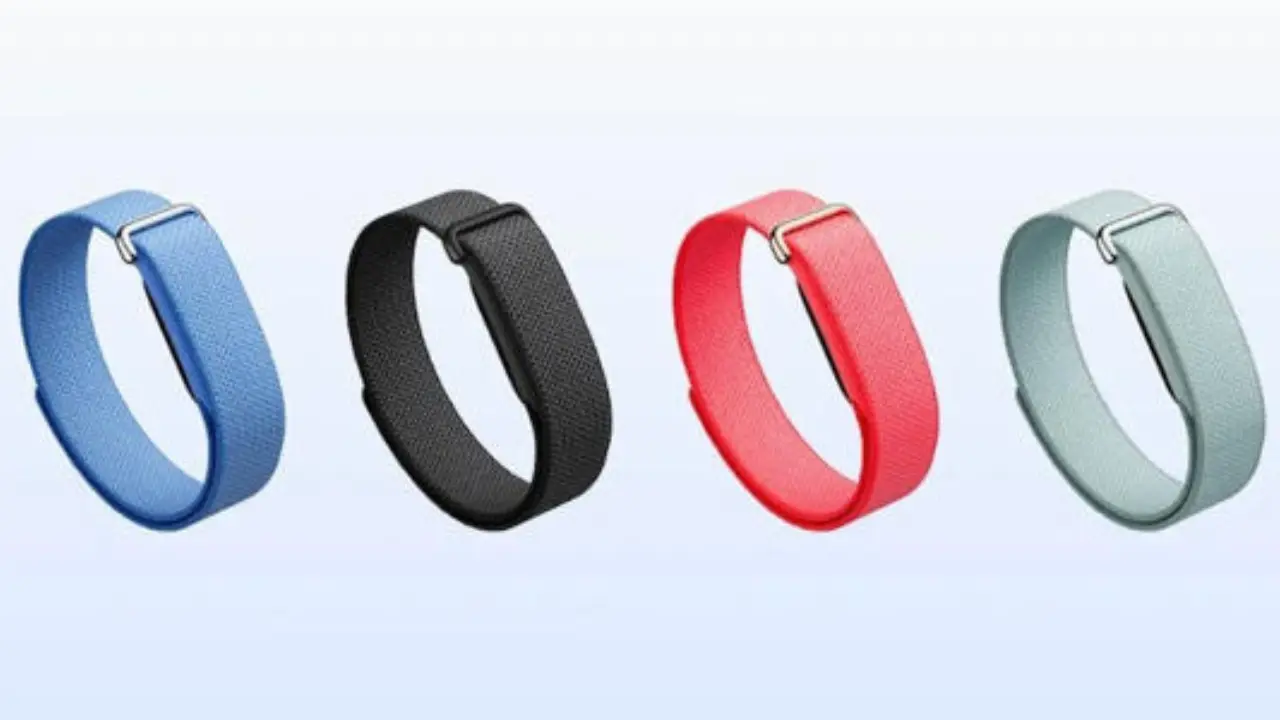
Google has officially expanded its wearable technology lineup with the launch of the Fitbit Air, a minimalist fitness-focused wearable designed for users who want health tracking without the constant distraction of a screen. Alongside the device, the company also introduced a redesigned Health app aimed at bringing fitness, sleep, heart monitoring, and wellness insights into one unified platform.
The launch reflects a growing trend in the tech industry where users are increasingly looking for simpler, less distracting technology that supports healthier digital habits instead of demanding constant attention.
What Is Fitbit Air?
The new Fitbit Air is reportedly designed as an ultra-lightweight wearable focused primarily on passive health tracking rather than notifications and app interactions.
Unlike traditional smartwatches, Fitbit Air does not feature a large interactive display. Instead, the wearable focuses on collecting wellness data quietly in the background while reducing screen dependency.
According to company announcements, Fitbit Air is built for users who want:
- Fitness tracking without distractions
- Long battery life
- Minimalist wearable design
- Improved focus and digital balance
- Simple health monitoring
The company appears to be targeting users who feel overwhelmed by constant smartphone and smartwatch notifications.
A Different Approach to Wearable Technology
Most modern smartwatches are designed to do everything from answering calls to displaying social media alerts. However, many users have started expressing concerns about digital overload and screen fatigue.
With Fitbit Air, Google seems to be moving toward a “less-is-more” philosophy. Instead of encouraging more screen time, the wearable reportedly prioritizes:
- Sleep tracking
- Heart rate monitoring
- Activity tracking
- Stress insights
- Recovery data
The goal appears to be creating a wearable that supports healthier routines without constantly interrupting daily life.
Google’s New Health App Explained
Alongside Fitbit Air, Google Health also introduced a redesigned health-focused application that combines data from fitness tracking, sleep patterns, workouts, heart health, and wellness habits into one centralized dashboard.
The new app reportedly uses artificial intelligence to generate personalized wellness insights and recommendations based on user habits and activity patterns.
Some of the key features include:
- Unified health dashboard
- AI-powered wellness suggestions
- Sleep and recovery insights
- Fitness goal tracking
- Heart health monitoring
- Stress management tools
The company says the app is designed to make health data easier to understand for everyday users.
Focus on Mental Wellness and Digital Balance
One of the biggest themes surrounding the launch is the idea of digital wellness.
Technology companies are increasingly acknowledging concerns around excessive notifications, screen addiction, and mental fatigue caused by always-connected devices. Fitbit Air appears to directly address this issue by offering health tracking without the distraction-heavy experience of traditional smartwatches.
Experts believe this could appeal strongly to users who:
- Want fewer interruptions
- Prefer simpler gadgets
- Focus on mindfulness and mental wellness
- Need health tracking without constant alerts
The minimalist wearable category has started gaining interest globally as more users seek healthier relationships with technology.
Battery Life Could Become a Major Advantage
Because Fitbit Air does not rely on a large display, reports suggest it may offer significantly longer battery life compared to standard smartwatches.
Battery performance remains one of the biggest frustrations among wearable users, especially those who dislike charging devices daily. A screenless design naturally consumes less power, which could make Fitbit Air attractive for long-term continuous tracking.
Competition in the Wearable Market Is Changing
The launch also highlights how the wearable technology market is evolving.
For years, brands competed by adding more features, bigger displays, and constant connectivity. Now, some companies are exploring the opposite direction — simpler devices designed around focus, wellness, and minimalism.
Google’s Fitbit Air could potentially compete with wellness-focused wearables that prioritize recovery tracking and low-distraction experiences rather than traditional smartwatch functions.
Privacy and Health Data Questions Remain Important
As with most health-focused technology, data privacy will remain a major topic.
Users may continue asking questions such as:
- How health data is stored
- Whether AI insights remain private
- How personal wellness information is protected
- What data is shared across devices
Google has previously emphasized health-data privacy protections, and experts expect transparency around data usage to remain important as wearable AI systems become more advanced.
The launch of the Fitbit Air and Google’s redesigned health platform signals a major shift in how wearable technology may evolve in the future.
Instead of adding more distractions, the focus now appears to be moving toward simpler experiences, passive wellness tracking, and healthier digital habits. For users tired of constant notifications and screen overload, Fitbit Air could represent a refreshing new direction in personal technology.
As health-focused AI and wearable devices continue evolving, the future of fitness tracking may become less about screens — and more about balance.
Disclaimer
This article is based on official announcements and publicly available product information. Features, availability, and specifications may vary depending on region and future software updates.