Rosemary to Scalp Scrub: Hair Growth Trends That Actually Work
Everyone wants thicker, longer hair, and with the rise of beauty trends on platforms like TikTok, many people are looking for ways to make their hair grow faster. However, not all hair growth remedies are as effective as they seem. In this article, we will focus on the hair growth trends that actually work. From rosemary oil to scalp scrubs, we will explain how these proven methods can help you achieve healthier hair.
Understanding Hair Growth
Before jumping into the trends, it’s important to know what affects hair growth. Factors like genetics, diet, hormones, and stress play a big role in how our hair grows. While some people may be more prone to hair thinning due to genetics, many others can benefit from improving their scalp health, circulation, and nutrient intake.
1. Rosemary Oil: Boost Circulation for Hair Growth
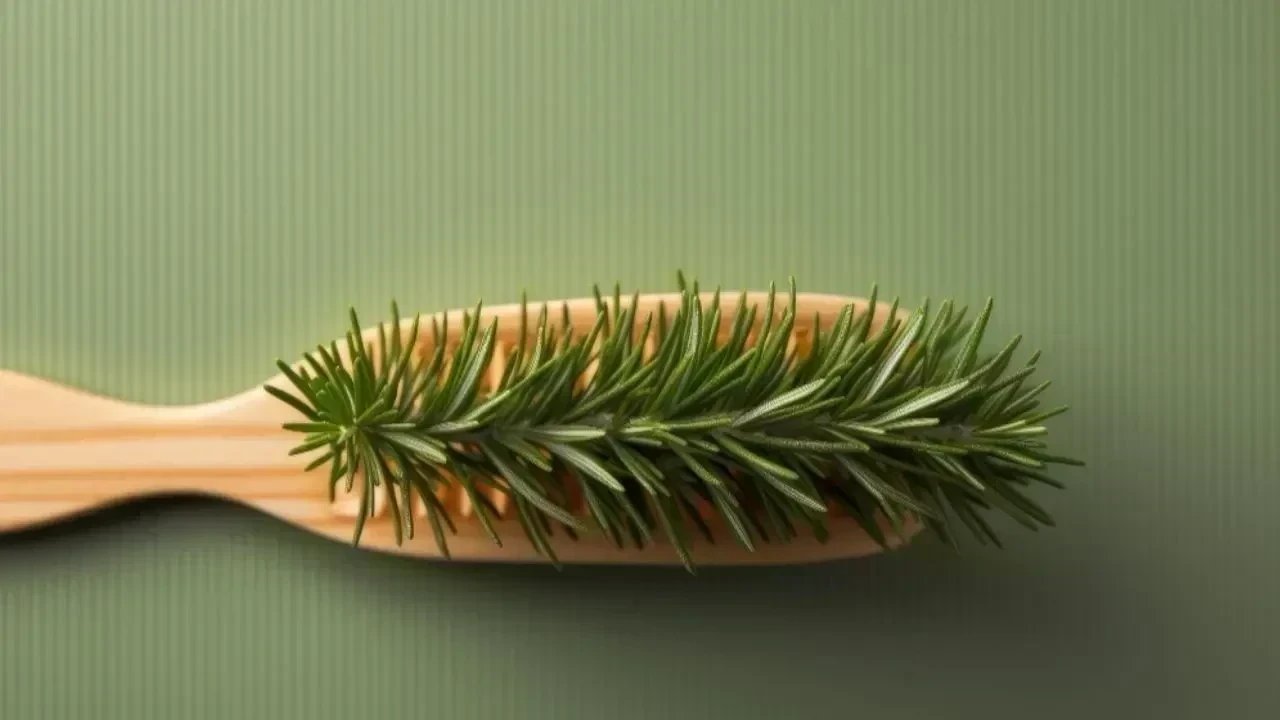
Rosemary oil is one of the most popular and effective hair growth remedies out there. It’s a natural oil that can help improve circulation to the scalp, which is key for healthy hair growth. Studies have shown that rosemary oil can help prevent hair loss and stimulate hair follicles, making it a great natural treatment for thinning hair.
How It Works: Rosemary oil contains ursolic acid, which helps increase blood flow to the scalp. Better circulation means hair follicles get more oxygen and nutrients, promoting healthy hair growth. Rosemary oil works similarly to minoxidil, a popular hair loss treatment, but without the harsh chemicals.
How to Use: Mix a few drops of rosemary oil with a carrier oil (like coconut or jojoba oil). Gently massage it into your scalp for 5 to 10 minutes, leave it on for 30 minutes to an hour, and wash it out with shampoo. Repeat 2-3 times a week for the best results.
2. Scalp Scrubs: Exfoliate to Stimulate Growth
Scalp scrubs are another trend that has gained popularity, and for good reason. Exfoliating the scalp can help remove dead skin, excess oil, and product buildup, ensuring that hair follicles stay clear and can function properly. A healthy, clean scalp is essential for promoting hair growth.
How It Works: Scalp scrubs stimulate circulation, help remove impurities, and clear blocked pores. This allows the hair follicles to get the nutrients they need, leading to healthier hair. Scrubbing can also help prevent dandruff and reduce itchiness caused by buildup.
How to Use: Choose a gentle scrub with natural exfoliants like sugar or salt. Apply it to a damp scalp, massaging in gentle circular motions. Rinse thoroughly and follow up with a nourishing conditioner. Use a scalp scrub once a week to keep your scalp clean and healthy.
3. Minoxidil: A Scientifically Backed Hair Treatment
Minoxidil is a well-known treatment for hair loss that has been proven to work for many people. Available in liquid or foam form, minoxidil is applied directly to areas of the scalp with thinning hair. It works by improving blood circulation to the hair follicles and encouraging new hair growth.
How It Works: Minoxidil helps to widen blood vessels in the scalp, improving circulation. This enhanced blood flow brings more oxygen and nutrients to the hair follicles, which stimulates hair growth. It’s one of the most reliable treatments for hair loss, especially for people with male or female pattern baldness.
How to Use: Apply minoxidil directly to the scalp where you are experiencing thinning or baldness. Use it consistently, as directed, to see visible results. Be sure to consult with a dermatologist before using minoxidil to make sure it’s the right treatment for your needs.
4. Biotin Supplements: Strengthen Hair from the Inside
Biotin, also known as Vitamin B7, is another popular remedy for hair growth. Biotin is essential for maintaining healthy hair follicles and improving the structure of hair. Many people take biotin supplements to prevent hair thinning and promote stronger, healthier hair.
How It Works: Biotin supports the production of keratin, a protein that makes up hair, nails, and skin. If you have a biotin deficiency, it can lead to hair thinning and brittle hair. Supplementing with biotin helps improve hair strength and prevent thinning.
How to Use: Biotin is available in tablets, gummies, and capsules. The recommended dosage is typically 30 mcg per day, but higher doses may be used under medical supervision. Always check with your doctor before starting biotin supplementation, especially if you have health concerns.
5. Scalp Massage: Boost Circulation and Relaxation
Scalp massages are one of the simplest and most relaxing ways to promote hair growth. Regularly massaging the scalp increases blood flow to the hair follicles, ensuring that they get enough oxygen and nutrients. Additionally, scalp massages help to reduce stress, which can contribute to hair thinning.
How It Works: Scalp massage improves circulation, providing hair follicles with the oxygen and nutrients they need for healthy growth. It also helps relieve tension, reducing stress-related hair thinning.
How to Use: Use your fingertips to gently massage your scalp in circular motions for 5–10 minutes each day. You can use natural oils like coconut or argan oil to add extra nourishment during the massage. Do this once or twice a day to improve circulation and promote hair growth.
The Path to Healthier Hair
When it comes to promoting hair growth, consistency and a balanced approach are essential. Rosemary oil, scalp scrubs, minoxidil, biotin supplements, and regular scalp massages are all effective methods that can help stimulate hair growth and improve the overall health of your hair. It’s important to remember that hair growth takes time, and results may vary.
In addition to these treatments, make sure you maintain a healthy lifestyle by eating a balanced diet, staying hydrated, and managing stress. If you’re experiencing significant hair loss or thinning, consulting with a dermatologist or hair care professional can help you find the best treatment options for your specific needs.
Disclaimer
This article is for informational purposes only and should not be considered as a substitute for professional medical advice, diagnosis, or treatment. Always consult a dermatologist or healthcare provider before trying new hair growth treatments, especially if you have existing hair or scalp conditions. Individual results may vary, and proper care is essential for safe and effective use of these remedies.