Easy Head Massage That Can Actually Increase Hair Growth
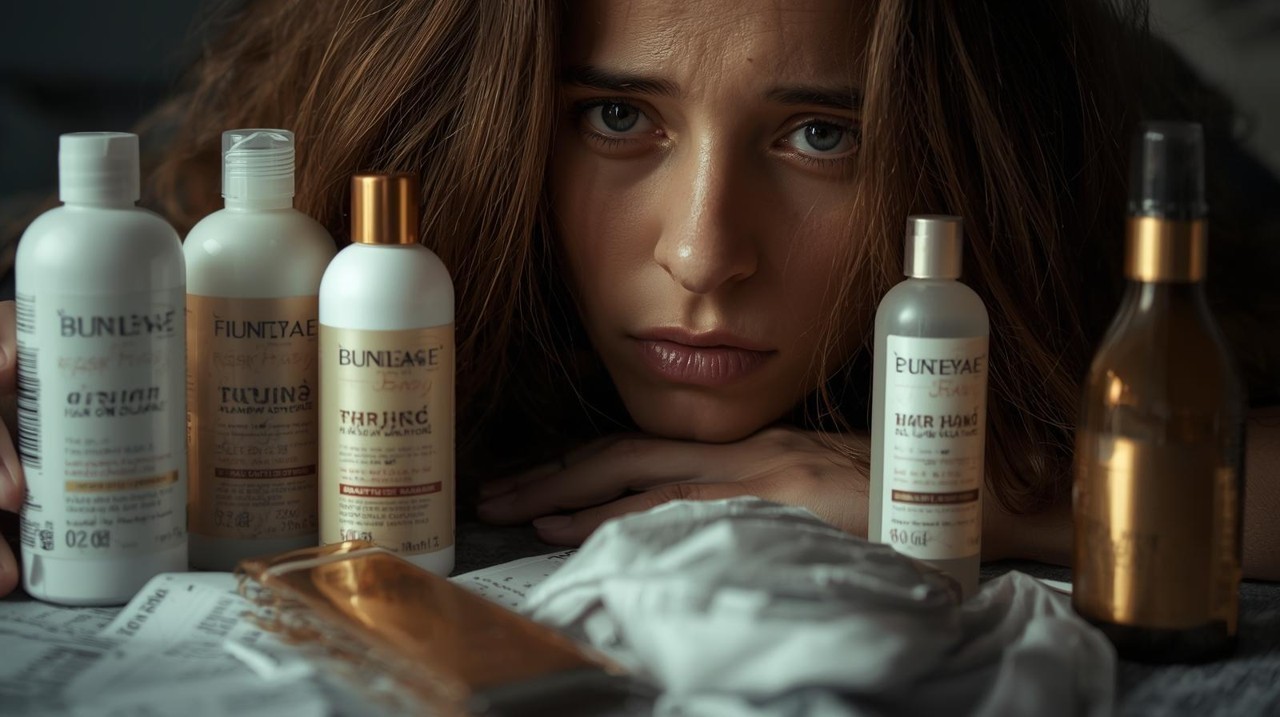
Many people worry about hair loss, but did you know that something as simple as a head massage can help promote hair growth? It may sound too good to be true, but studies show that regular scalp massages can improve blood flow, stimulate hair follicles, and maintain a healthy scalp—all of which can support hair growth. In this article, we’ll explore how a head massage can actually help your hair grow and provide you with simple steps to do it at home.
The Science Behind Scalp Massage and Hair Growth
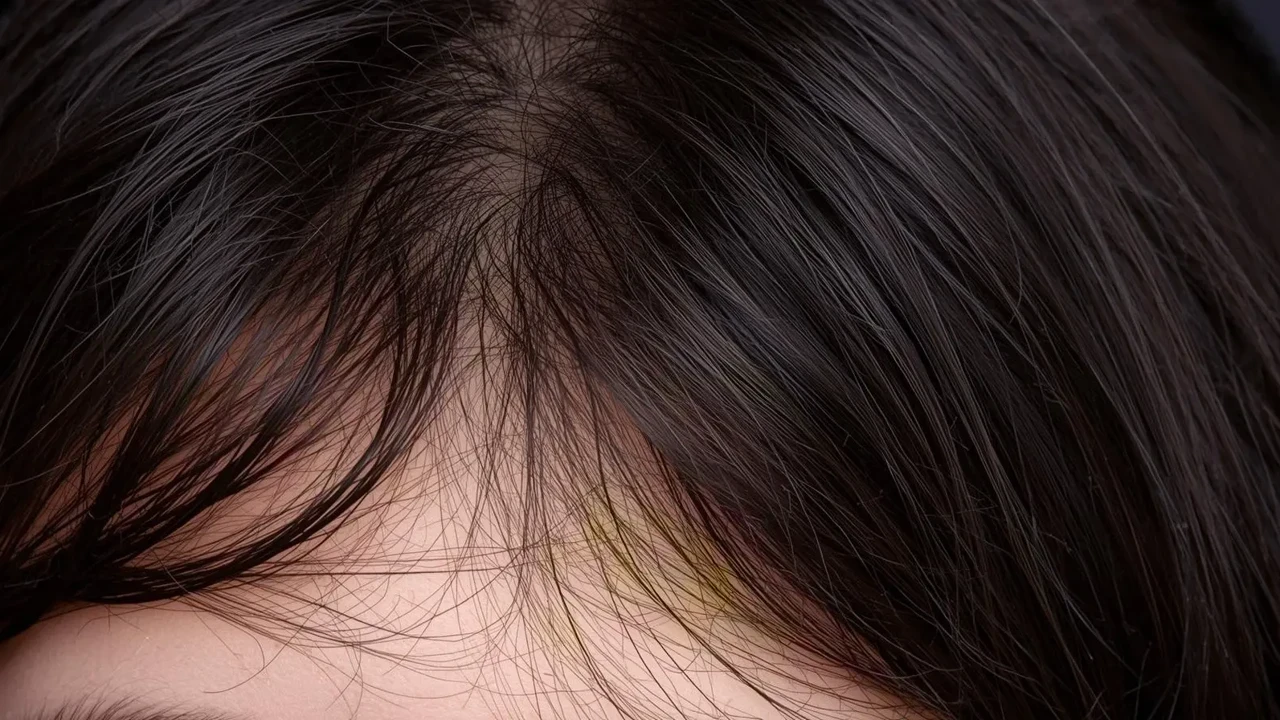
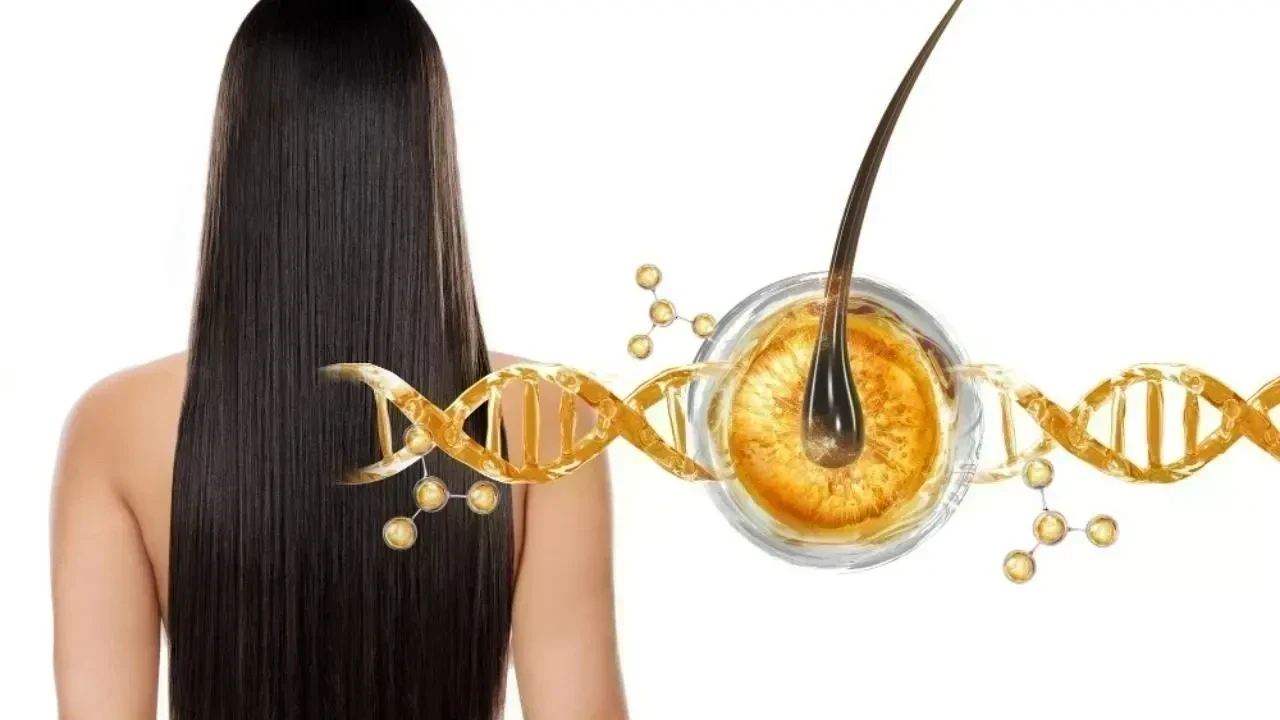
Hair growth is influenced by many factors such as genetics, health, and blood circulation. The hair follicles need oxygen and nutrients, which come from blood flowing through the scalp. If the blood flow is poor, the follicles don’t get enough of these important nutrients, which can weaken your hair and even cause hair loss.
A gentle head massage increases blood flow to the scalp, making sure that the hair follicles get the oxygen and nutrients they need to grow strong hair. It also helps relieve tension in the scalp muscles, which can sometimes contribute to hair thinning. By relaxing your scalp, you create a better environment for your hair to grow.
How to Do an Effective Head Massage for Hair Growth
You don’t need expensive treatments or complicated devices to do a scalp massage. Here’s a simple way to do it at home:
1. Choose the Right Oil
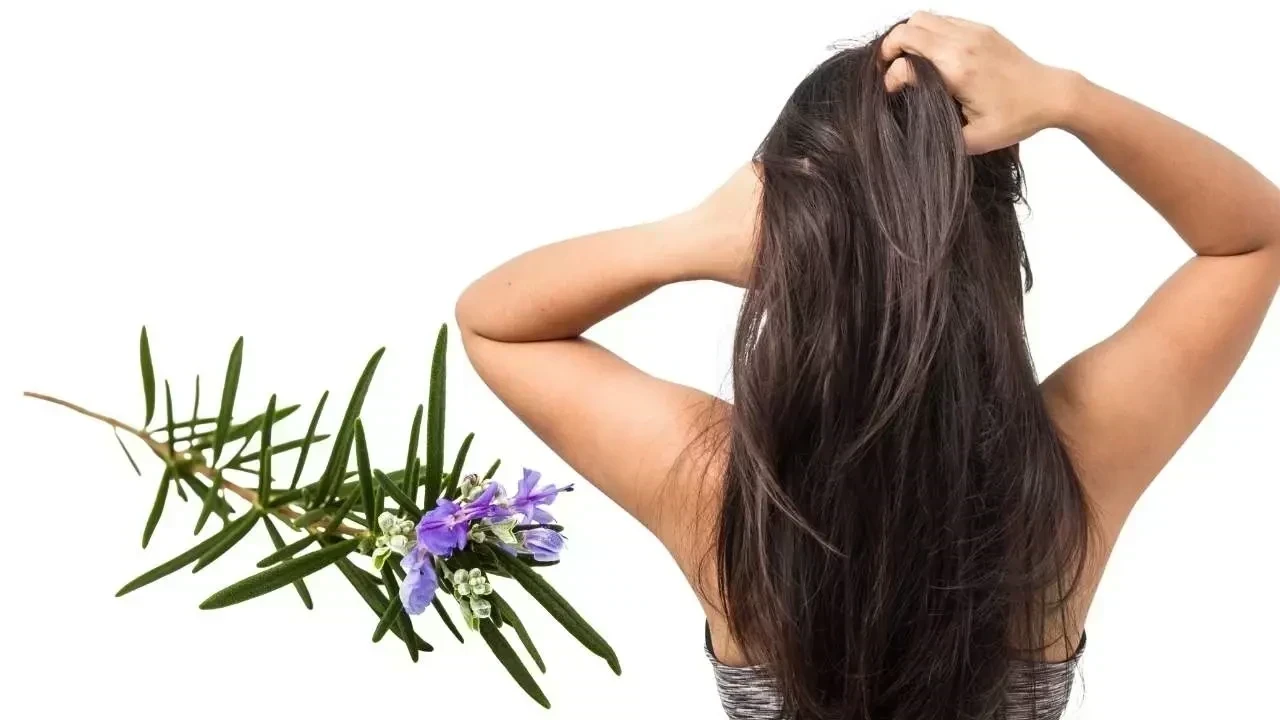
Using natural oils during your massage can help nourish your hair and scalp. Some good oils to use include coconut oil, olive oil, or castor oil, all of which are rich in nutrients that promote hair health. You can also use essential oils like rosemary or peppermint, which are known to stimulate hair growth.
2. Warm the Oil
Before applying the oil, warm it up slightly. You can do this by microwaving it for a few seconds or heating it gently on the stove. Make sure the oil is warm but not too hot—just enough to be soothing for your scalp. This step can make the massage more relaxing.
3. Apply the Oil
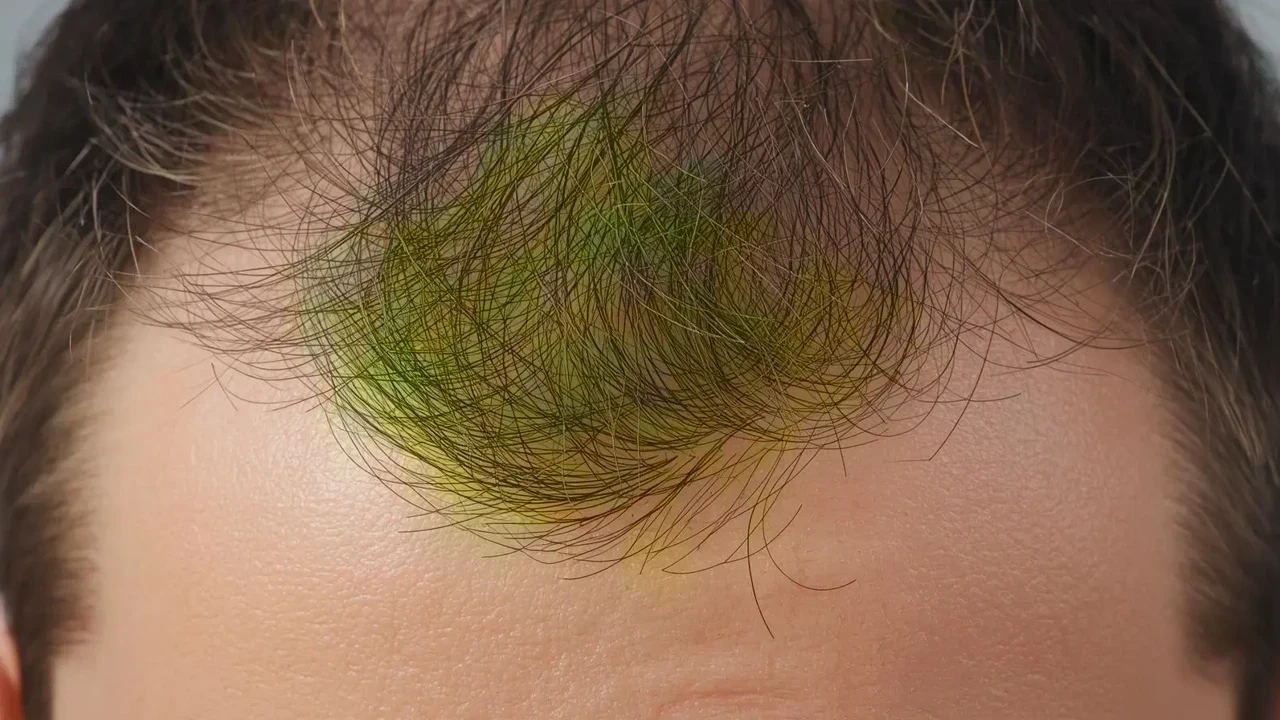
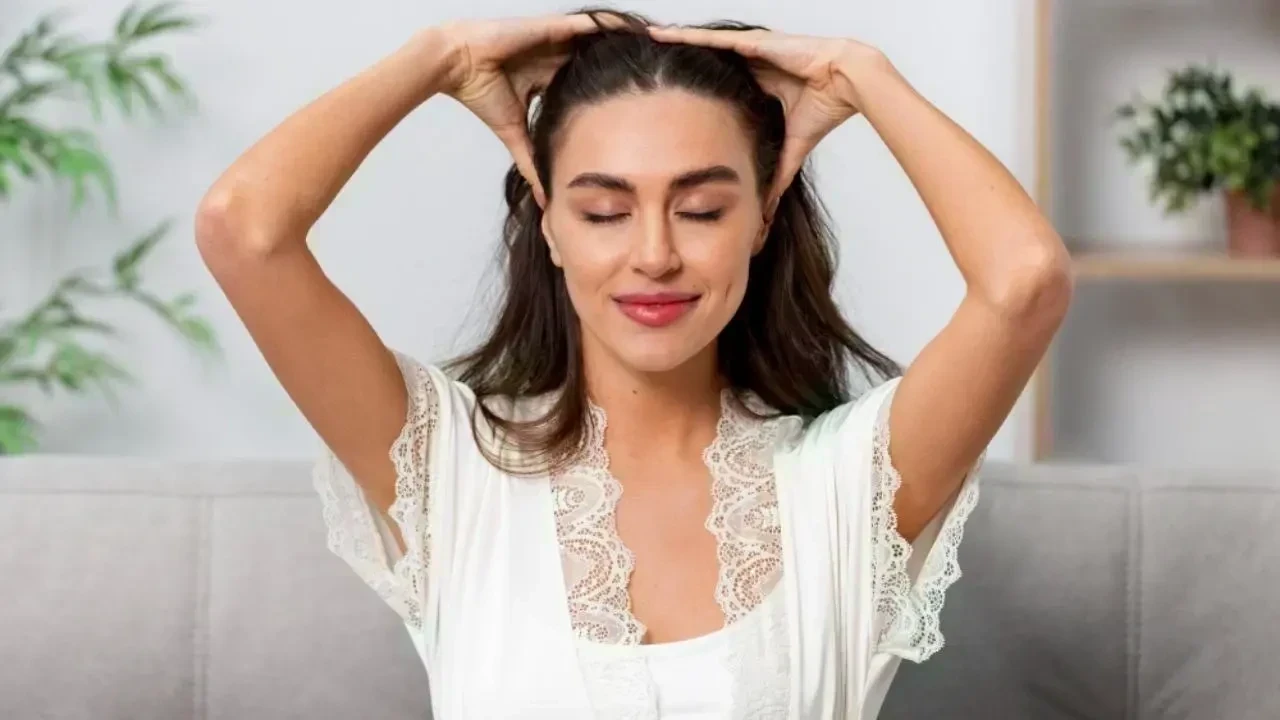
Pour a small amount of the warm oil into your hand and rub your palms together. Now, apply the oil to your scalp, using your fingertips to spread it all over your head. Focus on the areas where you’ve noticed thinning or hair loss.
4. Massage Techniques
How you massage is important for stimulating your scalp and promoting blood flow:
-
Circular Motions: Using your fingertips, gently rub your scalp in small circles. This motion encourages blood flow to the hair follicles.
-
Pressure Points: Apply light pressure to areas where tension might build up, like the crown of your head or the temples. Gently press with your fingers, but don’t push too hard.
-
Edge of the Scalp: Use your thumbs to gently press on the edges of your scalp, especially around your hairline. This can help relieve any tension there.
5. Massage Duration
You should massage your scalp for about 5-10 minutes. This will be enough to stimulate blood flow and relax your scalp muscles. You can do this daily or a few times a week, depending on your schedule.
6. Rinse and Shampoo
After your massage, leave the oil in your hair for at least 30 minutes, or even overnight if possible. When you’re ready, wash your hair with a mild shampoo to remove any excess oil and keep your scalp clean.
Benefits of a Head Massage for Hair Growth
A regular head massage has several benefits for your hair:
-
Improved Blood Circulation: The massage helps blood flow to the scalp, giving hair follicles more oxygen and nutrients to promote healthy hair growth.
-
Stronger Hair Roots: As blood circulation improves, your hair roots become stronger, reducing hair fall and breakage. This leads to thicker, fuller hair.
-
Reduced Stress: Stress is a major cause of hair loss, but a gentle head massage can help relax you and reduce tension. When you’re less stressed, your hair health benefits as well.
-
Balanced Oil Production: Massaging your scalp helps regulate oil production. A healthy balance of natural oils keeps your scalp clean and nourished, preventing it from becoming too dry or too oily.
-
Prevents Hair Thinning: Regular scalp massages can help stop hair thinning by keeping your scalp healthy and supporting better hair growth.
Additional Tips for Promoting Hair Growth
While head massages are effective, there are other ways to encourage hair growth:
-
Eat a Balanced Diet: Your hair needs proper nutrients to grow strong. Foods like leafy greens, eggs, nuts, and fish are great for your hair. Make sure to get enough protein and biotin, which are essential for hair growth.
-
Stay Hydrated: Drinking enough water is important to keep your scalp hydrated and your hair healthy. Aim to drink plenty of water each day.
-
Use Gentle Hair Products: Harsh shampoos and conditioners with strong chemicals can harm your scalp and hair. Look for products that are natural and free of harsh chemicals, which help maintain a healthy scalp environment.
-
Limit Heat Styling: Heat from blow dryers, curling irons, and straighteners can damage your hair and cause breakage. Try to limit the use of these tools or use them at a lower heat setting.
-
Get Enough Sleep: Sleep is vital for overall health, including your hair. Aim for 7-9 hours of sleep each night to allow your body to repair and regenerate, including your hair.
A simple head massage can be a powerful tool in promoting healthy hair growth. By improving blood circulation, relaxing your scalp, and balancing oil production, this easy technique can help you achieve stronger, thicker hair. Combine your scalp massage with a healthy diet, proper hair care, and a balanced lifestyle to support your hair growth journey.
Take a few minutes each day for this relaxing self-care routine, and you may see your hair health improve over time. Try it out and experience the difference it can make for your hair!
Disclaimer
This article is intended for informational purposes only and should not be considered a substitute for professional medical advice, diagnosis, or treatment. The effectiveness of the techniques mentioned may vary from person to person. While scalp massages can support hair health, results depend on various factors including individual health, genetics, and lifestyle. If you're experiencing significant or persistent hair loss, it is strongly recommended to consult with a healthcare provider or a specialist to determine the best course of action for your specific situation.