Commercial Real Estate Trends Investors Should Watch This Year
The commercial real estate (CRE) market continues to evolve rapidly, shaped by global economic changes, technological advancements, and shifting workplace dynamics. For investors, staying ahead of these trends is crucial to making informed decisions and identifying profitable opportunities. Here’s a closer look at the key trends defining the CRE landscape this year.
1. Rise of Mixed-Use Developments
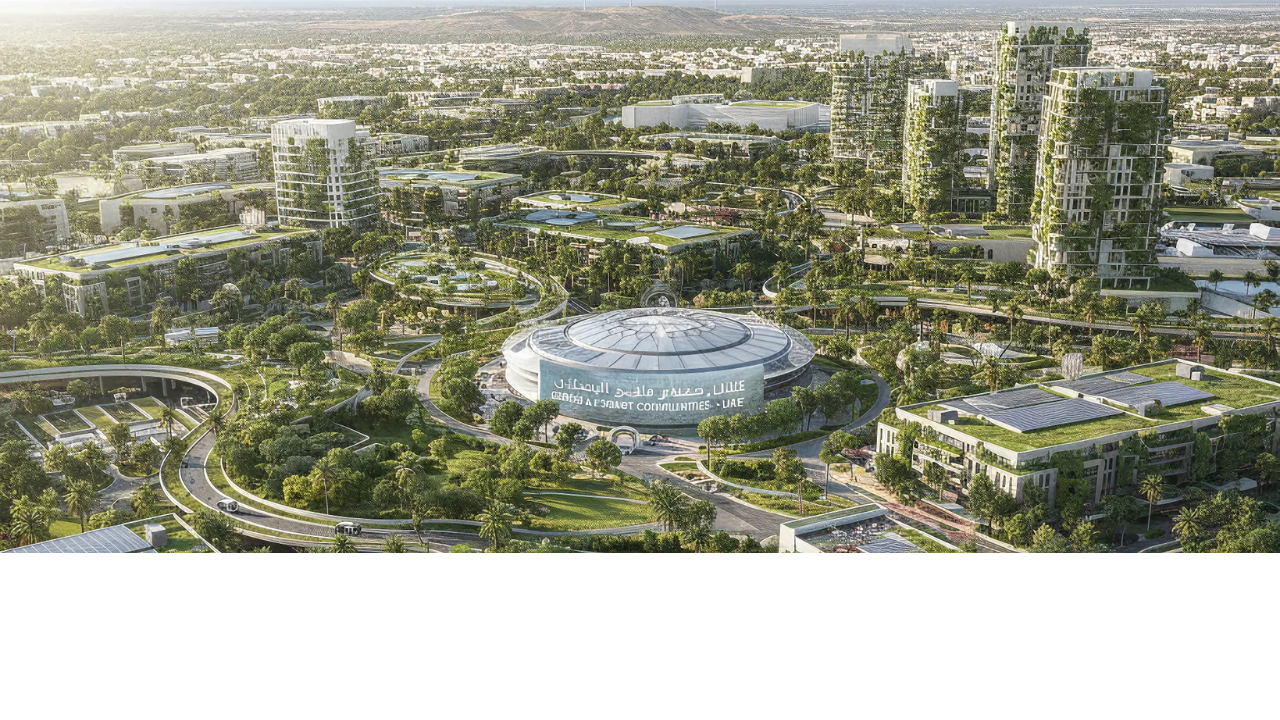
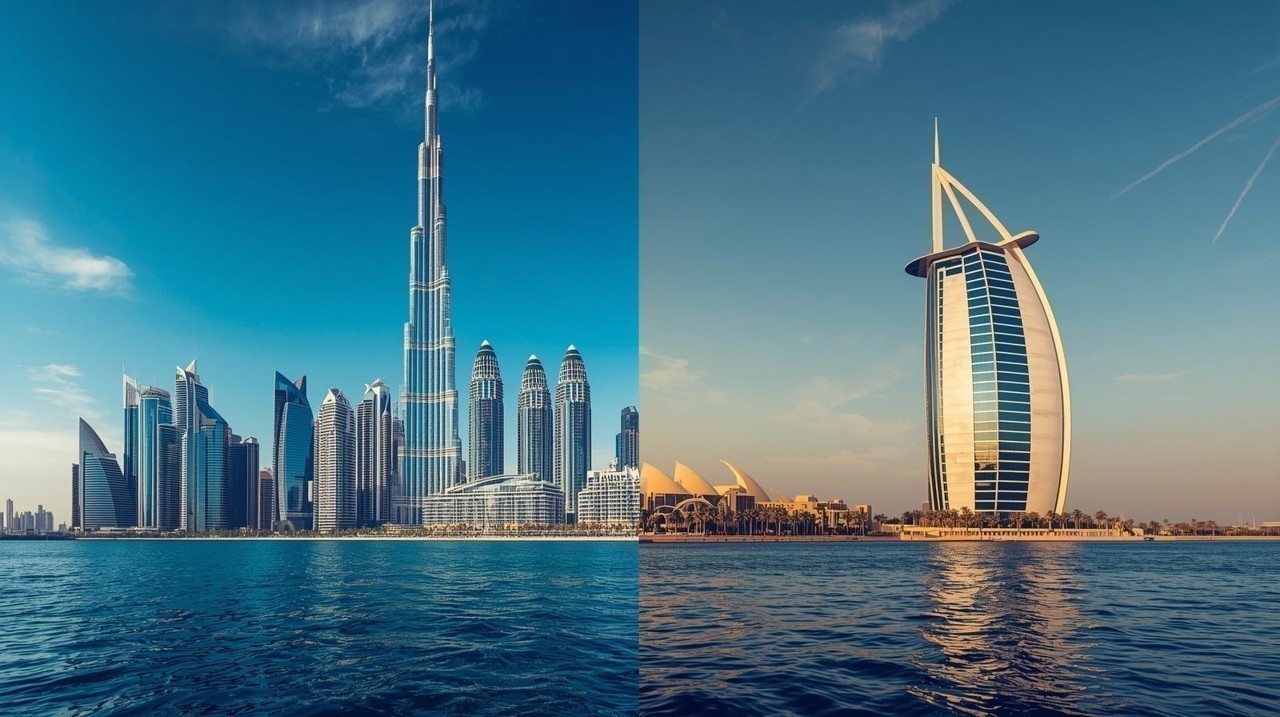
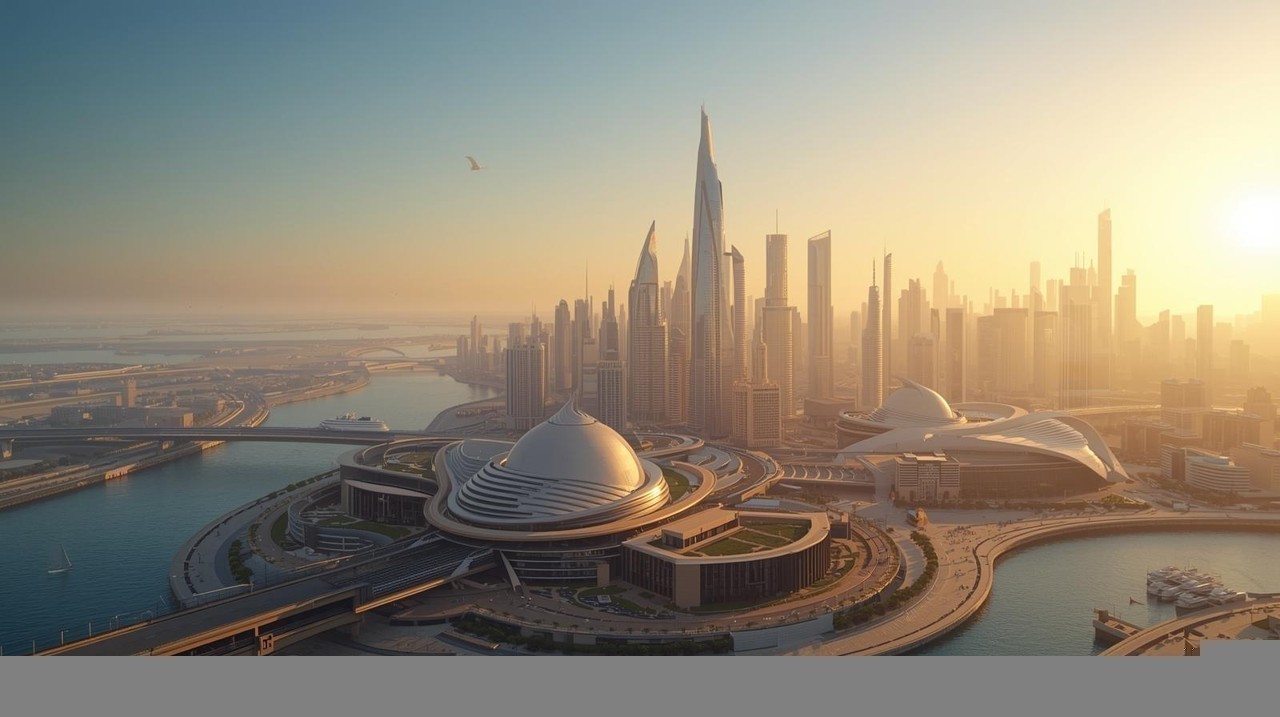
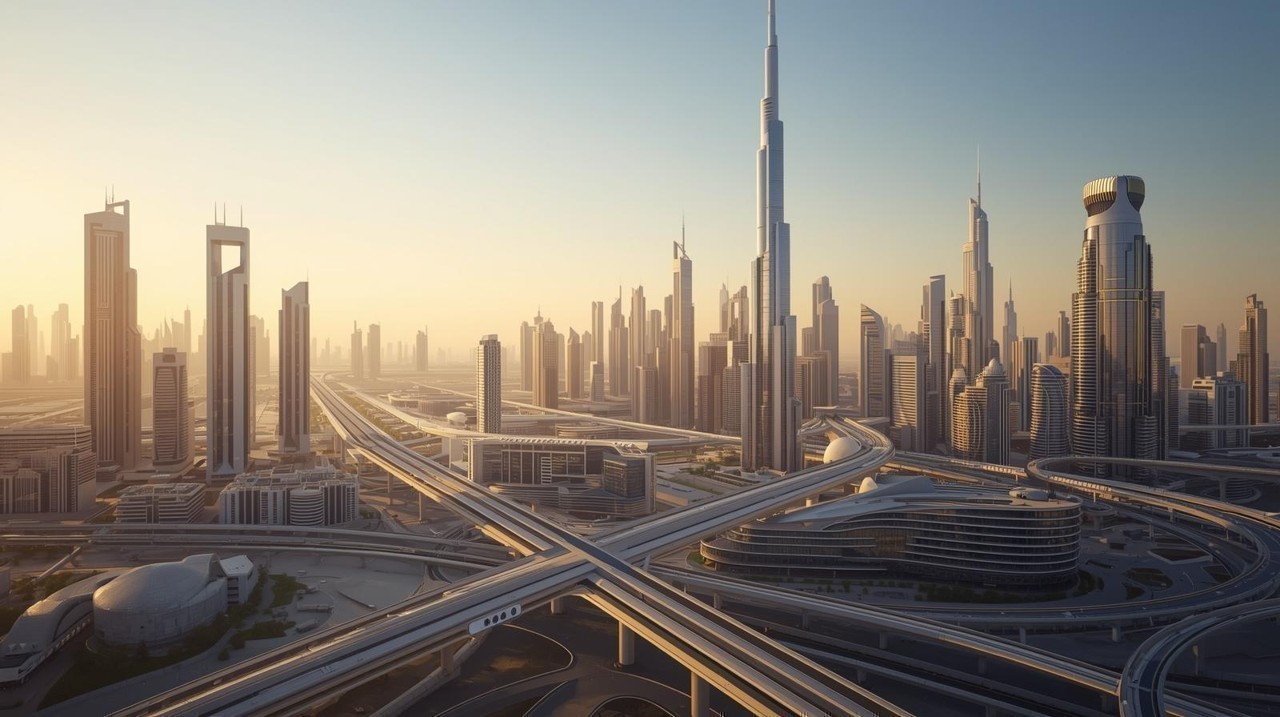
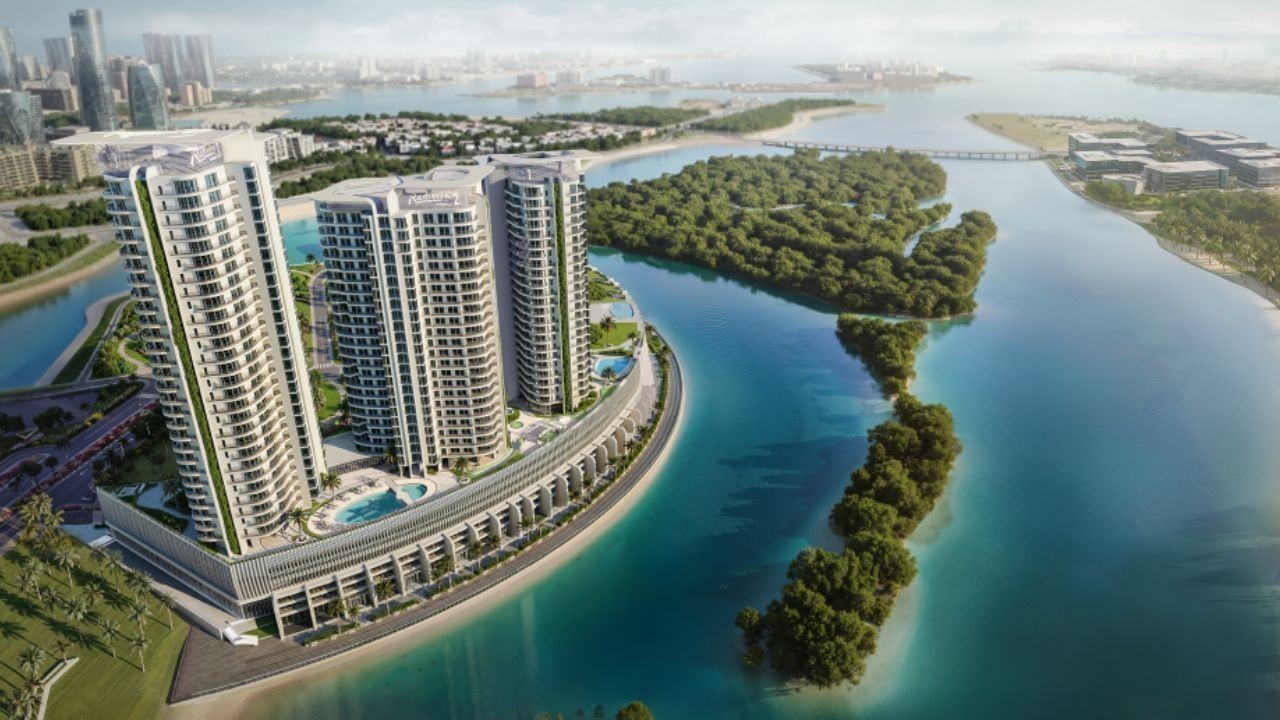
Investors are increasingly drawn to mixed-use properties that blend residential, retail, and office spaces. These developments are gaining traction in urban centers where people want convenience and community in one location. Cities like Dubai, London, and Singapore are seeing major investments in integrated communities offering both lifestyle and business advantages.
2. Strong Demand for Industrial and Logistics Spaces
E-commerce continues to fuel demand for warehouses and logistics hubs. With online shopping becoming the norm, companies are prioritizing efficient supply chain management. Industrial assets located near transportation corridors and ports are witnessing record occupancy rates and rental growth.
3. The Return of Office Spaces—But Reimagined
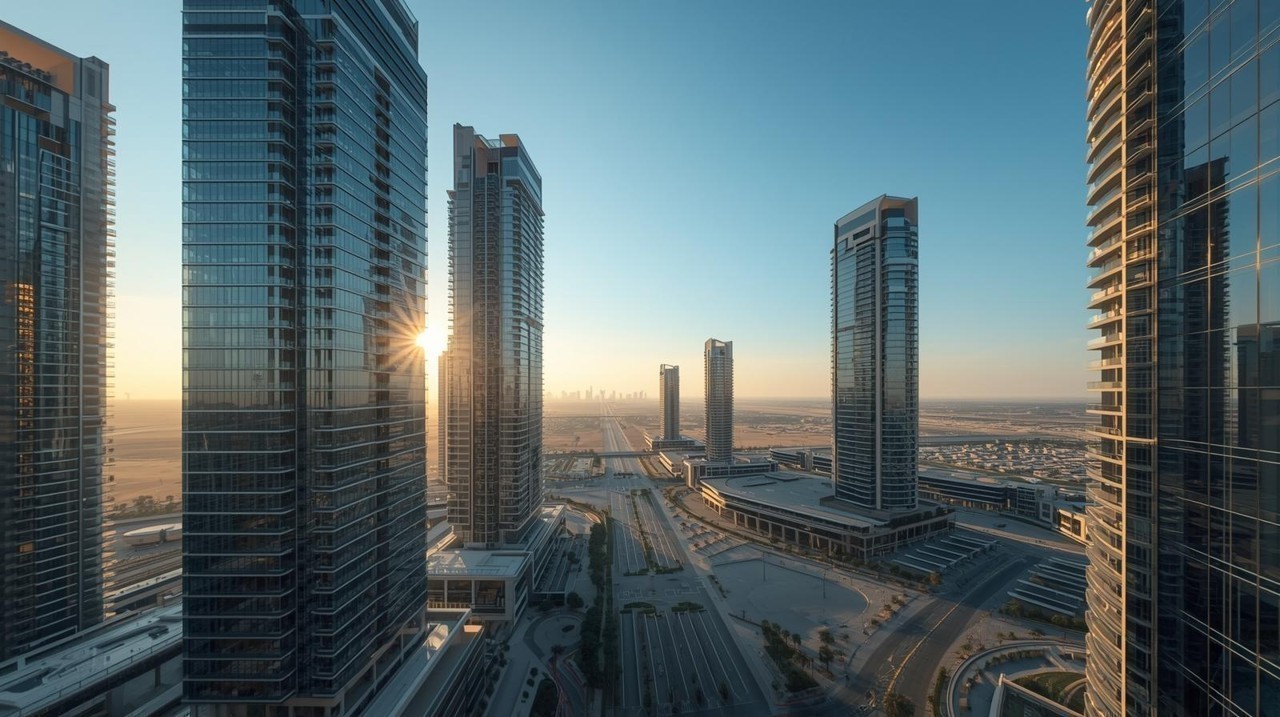
While remote work remains popular, many companies are moving toward hybrid models. This shift has created demand for flexible office layouts, co-working environments, and sustainable designs. Investors are focusing on properties with modern amenities, smart technologies, and energy-efficient systems to attract corporate tenants.
4. Sustainability as a Core Investment Driver
Green buildings and ESG (Environmental, Social, and Governance) principles are now central to investment decisions. Governments and corporations are both emphasizing carbon neutrality, driving the adoption of energy-efficient construction materials, renewable energy integration, and water conservation systems.
5. Shifting Geographies and Secondary Markets
High property prices in major urban centers are pushing investors to explore emerging secondary markets. Smaller cities offering better yields and growth potential—such as Sharjah, Austin, or Manchester—are becoming hotspots for new CRE investments.
6. Technological Disruption in Real Estate
PropTech (property technology) is transforming how investors analyze, buy, and manage assets. AI-driven analytics, blockchain-based transactions, and digital twin technologies are improving transparency and operational efficiency in commercial property management.
7. Retail Spaces Reinvented
Traditional retail is adapting to changing consumer habits. Malls and shopping complexes are transitioning into “experience centers” that blend entertainment, dining, and retail. This transformation aims to revive foot traffic and enhance tenant diversity.
8. Rising Interest Rates and Capital Flows
Macroeconomic factors like inflation and interest rate fluctuations are influencing investment strategies. While higher borrowing costs have slowed some developments, institutional investors are still pouring capital into sectors with long-term stability, such as logistics and healthcare real estate.
9. Hospitality and Tourism Recovery
The global travel rebound has reignited interest in hotel and resort investments. With occupancy rates climbing and international tourism recovering, investors are betting on luxury and boutique hospitality assets—especially in destinations like Dubai, Bali, and the Maldives.
10. Data Centers and Digital Infrastructure
As digital transformation accelerates, data centers are becoming one of the most lucrative segments in commercial real estate. Cloud computing, AI adoption, and streaming services are driving exponential demand for secure and scalable data storage facilities.
Conclusion
The commercial real estate sector is entering a transformative phase where flexibility, sustainability, and technology are shaping investment opportunities. For investors, the key lies in adapting to these trends early—prioritizing long-term value over short-term gains. Whether in industrial logistics, eco-friendly developments, or digital infrastructure, 2025 promises strong growth for those who position themselves strategically.