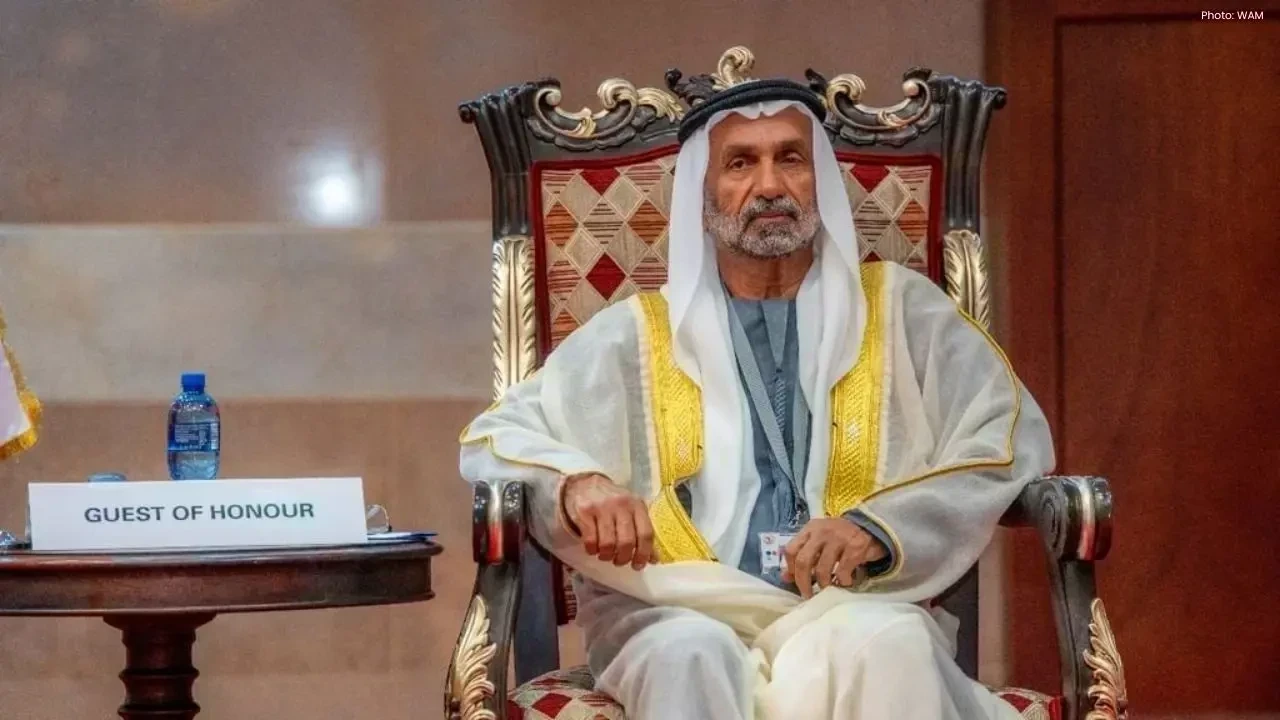
At a significant interfaith gathering in Lebanon, Ahmed bin Mohammed Al Jarwan, President of the Global Council for Tolerance and Peace, united Christian and Muslim leaders to explore common values and promote mutual respect for a more peaceful world.
Al Jarwan emphasized that events like these are crucial for the Council's goal of fostering understanding and tolerance among diverse faiths. He conveyed that gathering under a single roof sends a powerful message: irrespective of faith, genuine spirituality embodies love, justice, and the safeguarding of human dignity. This event serves as a potent reminder that faith should forge unity rather than division.
He spotlighted Lebanon as a historical symbol of cultural and religious coexistence, illustrating that societies thrive when they honor differences and sustain their heritage. Lebanon exemplifies the notion that various communities can coexist harmoniously, inspiring nations grappling with social and religious issues.
Al Jarwan underscored that enhancing dialogue and fostering connections is especially critical in today’s world. Achieving peace requires ongoing effort, communication, and dedication from leaders, communities, and individuals alike. He advocated for initiatives that enhance inter-religious understanding to mitigate conflicts and bolster community ties.
The Global Council for Tolerance and Peace hosts similar gatherings around the globe, promoting awareness of the significance of tolerance, collaboration, and dialogue. These forums enable religious and community leaders to share insights and partner on peaceful initiatives.
At the Lebanon event, discussions revolved around collective moral principles, religion’s role in fostering empathy, and the contributions faith-based communities can make to societal welfare. Al Jarwan highlighted that honoring diverse traditions uplifts social cohesion and fosters a global peace culture.
He also pointed out that interfaith efforts like this one inspire youth involvement, encouraging younger generations to appreciate dialogue and respect. By cultivating awareness early on, societies can diminish misconceptions and aspire to a future where differences are honored rather than dreaded.
Al Jarwan concluded by asserting that tolerance is not merely a moral obligation but a pragmatic means of establishing safer, more inclusive societies. He reaffirmed the Council's dedication to bridging gaps and nurturing collaboration among religious communities to ensure ongoing peace at both local and global levels.
This gathering in Lebanon represents one of many endeavors by the Council to showcase the universal values that transcend all religions. Through ongoing dialogue, interfaith education, and joint initiatives, the Global Council for Tolerance and Peace strives to cultivate a world directed by respect, understanding, and harmony in human relations.