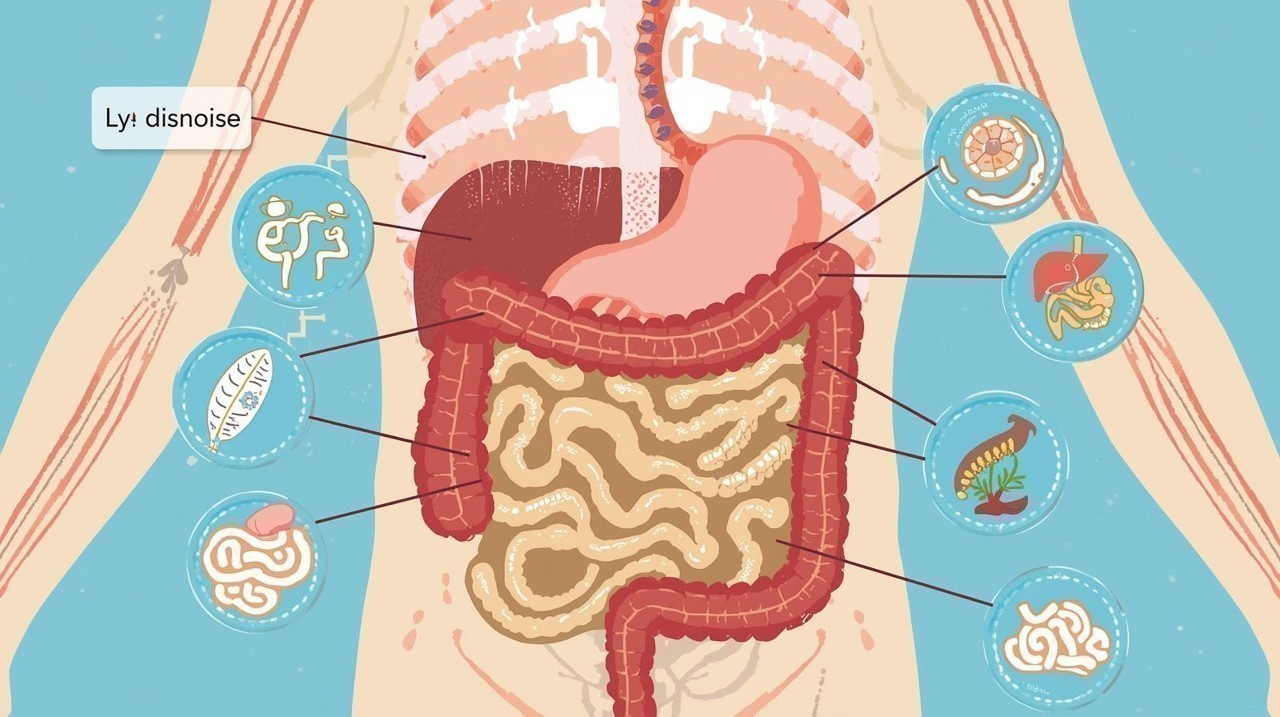
Joint pain becomes worse for many people during winter. Stiff knees, aching shoulders, and slow morning movement can make daily life uncomfortable. While many blame age or cold weather, experts say that chronic inflammation inside the body is often the real reason. A nutritionist has now shared five simple foods that can calm inflammation and help reduce stubborn joint pain.
Understanding What Causes Inflammation
Inflammation is the body’s way of responding to injury or illness. But when it lasts too long, it becomes harmful. This long-term inflammation can come from autoimmune disorders, poor diet, lack of sleep, stress, hormonal changes, obesity, or eating too much sugar and unhealthy fats.
Nutritionist Mitushi Ajmera says that inflammation increases when people consume excess processed foods, smoke, or drink heavily. She explains that many anti-inflammatory foods are already found in Indian kitchens, but people must first reduce these harmful habits to feel better.
1. Protein-Rich Foods Strengthen Muscles
Joint pain is not always caused only by inflammation. Weak muscles can put extra pressure on the joints, making movement painful. Protein helps repair muscles and supports joint strength.
Plant-based options like lentils, beans, chickpeas, and soy are excellent sources. For those who eat animal products, eggs, lean meats, and dairy provide complete proteins that the body uses effectively. Stronger muscles lead to stronger joints and less pain.
2. Collagen-Boosting Foods Support Cartilage
Collagen is a natural protein that keeps our joints smooth and cushioned. As we age, collagen levels drop, leading to stiffness and discomfort.
Foods such as bone broth, fish, and gelatin-rich items provide nutrients that support collagen production. These foods help repair connective tissue and may improve mobility in people suffering from long-term knee or joint problems.
3. Omega-3 Rich Foods Fight Inflammation
Omega-3 fatty acids are among the strongest natural anti-inflammatory nutrients. They lower inflammatory markers and may help reduce stiffness in people with arthritis.
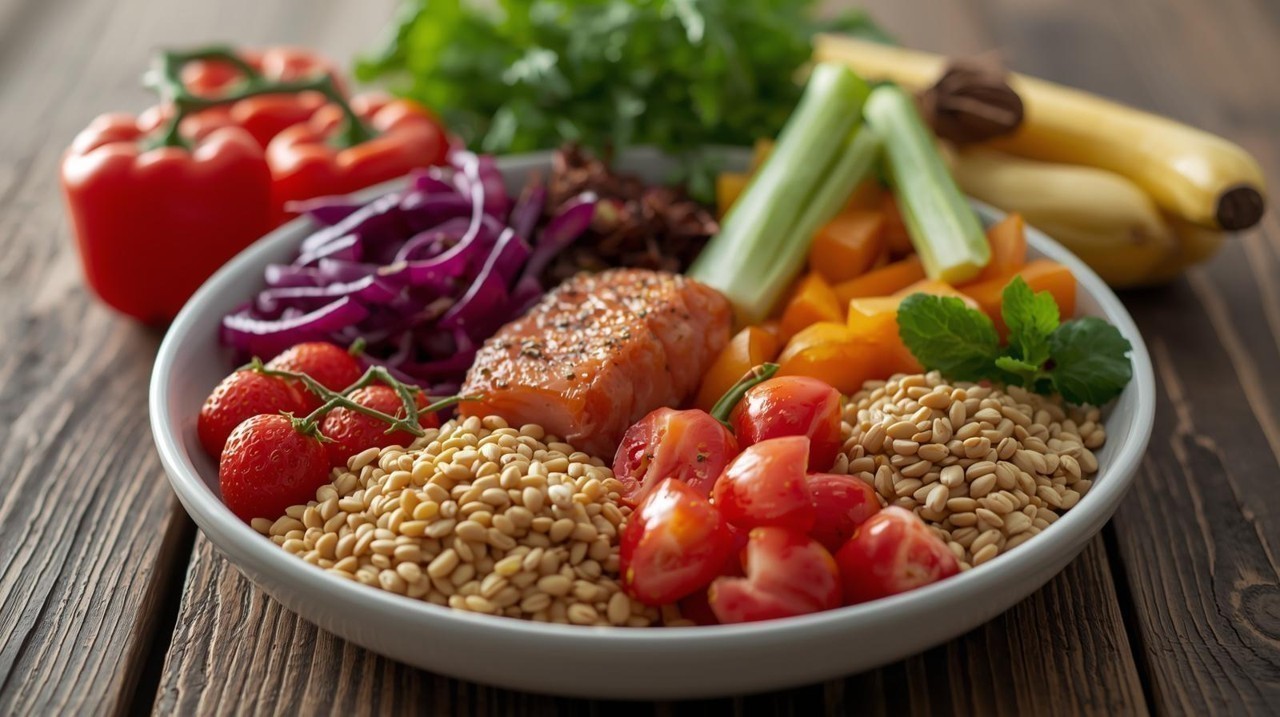
Fatty fish like salmon, sardines, and mackerel are excellent choices. People who do not eat fish can include flaxseeds, chia seeds, walnuts, and avocados. Omega-3s support joint lubrication and reduce friction, making movement easier.
4. Vitamins C & E, Zinc, and Magnesium Protect the Body
Antioxidants help the body fight damage caused by inflammation. Vitamin C supports collagen synthesis, while vitamin E reduces oxidative stress. Zinc and magnesium help repair tissues and relax muscles.
Citrus fruits, berries, bell peppers, nuts, seeds, whole grains, and leafy greens supply these nutrients naturally. Studies show that a diet high in antioxidants helps reduce inflammation and improves recovery from daily joint stress.
5. Anti-Inflammatory Spices Reduce Swelling
Indian kitchens naturally contain many powerful anti-inflammatory spices. Cinnamon, garlic, clove, ginger, and turmeric all help calm swelling and reduce pain.
Turmeric is especially effective because of its compound curcumin, which directly reduces inflammation in the body. Adding these spices to daily meals can make a noticeable difference in long-term joint health.
A Simple Diet Change Can Lead to Big Relief
Experts agree that you cannot fully avoid inflammation, but you can control it. Reducing processed foods, sugar, and unhealthy fats while adding natural, whole foods can make joints feel lighter and more flexible. Pairing these foods with regular movement, good sleep, and stress control can help reduce chronic joint pain.
Winter often worsens joint pain, but the solution may be as simple as adjusting what we eat. Protein-rich foods, collagen sources, omega-3s, antioxidants, and everyday spices can support the body from within. These simple additions, along with healthier habits, can reduce inflammation and make daily movement more comfortable. Good nutrition, when practiced consistently, can become a powerful tool for long-term joint health.