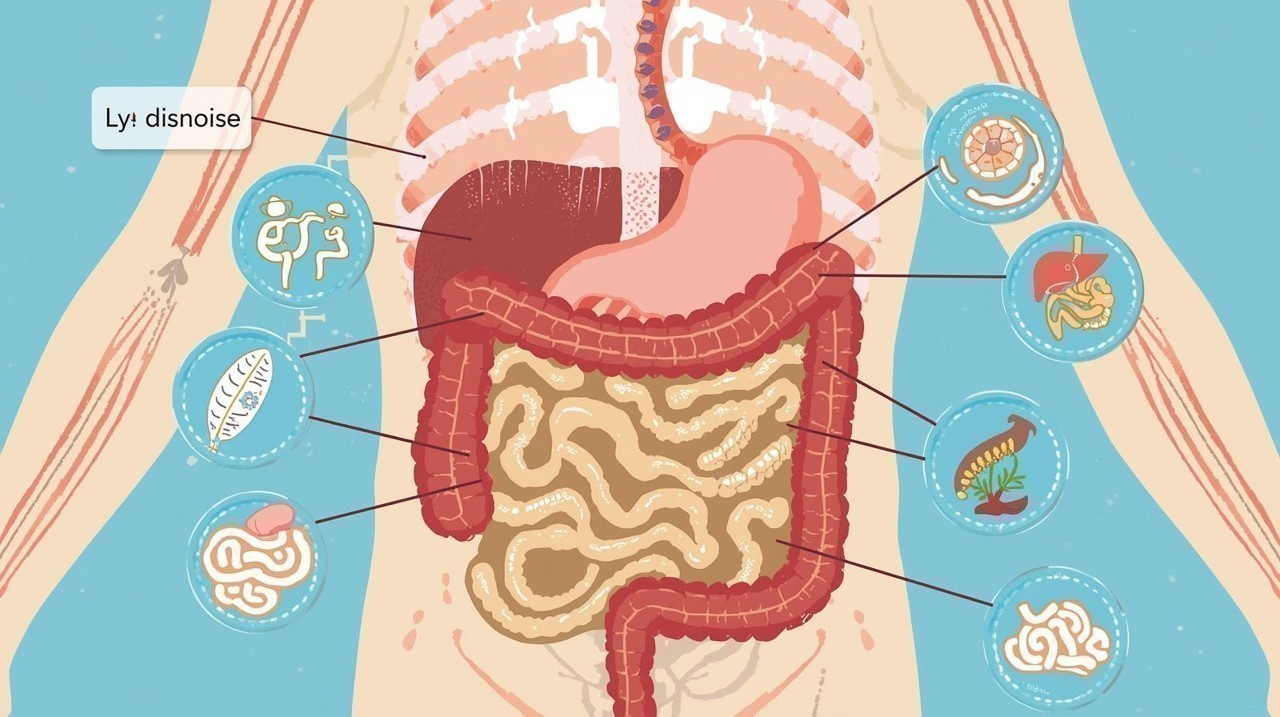
The Daily Habit That Slowly Weakens Your Digestion
Digestive problems rarely start overnight. They build quietly, often triggered by one daily habit that feels harmless but slowly disrupts how your gut functions. Bloating, acidity, constipation, irregular bowel movements, heaviness after meals, and low energy are not random issues—they are signals.
One of the most damaging daily habits affecting digestion today is eating too fast and without attention. In 2026, rushed meals have become normal due to screen use, work pressure, and constant multitasking. Unfortunately, your digestive system is not designed to work at high speed.
This article explains how fast, distracted eating weakens digestion over time, the science behind it, the symptoms people ignore, and how to fix it without extreme diets or supplements.
Why Digestion Starts Before Food Reaches the Stomach
Digestion does not begin in the stomach—it starts in the brain and mouth.
When you eat calmly:
-
The brain signals digestive enzymes to activate
-
Saliva production increases
-
The stomach prepares acid and enzymes
-
The gut enters a relaxed, receptive state
When you eat in a rush, this entire process is disrupted.
Eating fast skips the preparation phase, forcing the stomach and intestines to work under stress, which reduces efficiency.
How Eating Too Fast Became a Daily Norm
Modern lifestyles encourage speed over awareness.
Common reasons people eat fast include:
-
Eating while working
-
Scrolling on phones during meals
-
Short lunch breaks
-
Skipping meals and overeating later
-
Emotional or stress-driven eating
Over time, the body adapts to speed—but digestion suffers silently.
The Science: What Happens When You Eat Too Fast
Poor chewing breaks digestion at the first step
Digestion begins with chewing. Proper chewing:
-
Breaks food into smaller particles
-
Mixes food with saliva
-
Activates digestive enzymes
Fast eating leads to large, poorly chewed food particles, which are harder to digest and stress the stomach.
Reduced saliva affects enzyme activity
Saliva contains amylase, an enzyme that starts breaking down carbohydrates. Eating quickly reduces saliva mixing, causing incomplete digestion.
Stomach acid imbalance
When food enters too quickly:
-
Acid secretion becomes inefficient
-
Food sits longer in the stomach
-
Fermentation and gas increase
This leads to bloating, acidity, and heaviness.
Overloading the intestines
Undigested food reaching the intestines feeds harmful bacteria, disturbing gut balance and leading to gas, cramps, and irregular stools.
The Nervous System Connection Most People Ignore
Digestion is controlled by the parasympathetic nervous system, also called the “rest and digest” system.
When you eat fast:
-
Stress hormones stay elevated
-
The body remains in “fight or flight” mode
-
Blood flow shifts away from digestion
Your gut simply cannot function optimally under stress.
This is why people often feel: -
Tightness in the stomach
-
Urgent bowel movements
-
Discomfort even after small meals
Long-Term Digestive Problems Linked to Fast Eating
Eating too fast does not cause immediate disease—but it creates conditions for chronic issues.
Over time, it contributes to:
-
Chronic acidity and reflux
-
Frequent bloating and gas
-
Constipation or loose stools
-
Irritable bowel symptoms
-
Poor nutrient absorption
-
Gut inflammation
These issues develop gradually, making the habit hard to blame.
Weight Gain and Digestion Are Closely Linked
Fast eating also affects hunger and fullness hormones.
Hormonal disruption
-
Leptin (fullness hormone) activates late
-
Ghrelin (hunger hormone) stays high
This causes overeating without realizing it.
Poor digestion combined with overeating leads to: -
Fat storage
-
Sluggish metabolism
-
Energy crashes
Digestive weakness often precedes unexplained weight gain.
The Role of Screens in Digestive Damage
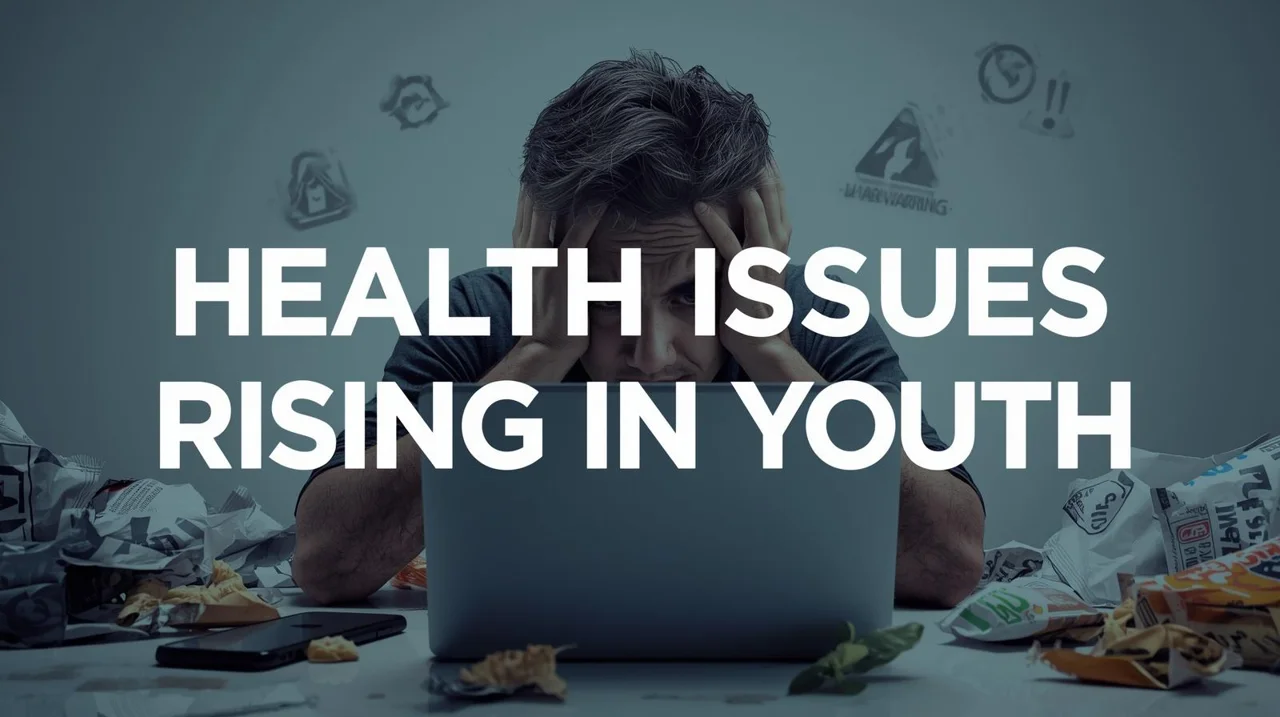
Eating while using phones or watching screens makes the problem worse.
Why distracted eating harms digestion
-
Brain focus shifts away from the meal
-
Satiety signals weaken
-
Chewing reduces automatically
-
Stress response stays active
The gut depends on attention as much as food quality.
Signs Your Digestion Is Being Weakened by This Habit
Many people normalize these symptoms:
-
Feeling heavy after every meal
-
Frequent burping or gas
-
Sleepiness after eating
-
Inconsistent bowel movements
-
Cravings shortly after meals
These are not normal—they are warning signs.
Why This Habit Affects Nutrient Absorption
Even if you eat healthy food, poor digestion reduces benefit.
How absorption suffers
-
Minerals like iron and magnesium absorb poorly
-
Protein breakdown becomes inefficient
-
Gut lining becomes irritated
This can lead to fatigue, hair fall, weak immunity, and skin issues—all linked back to digestion.
How Slow Eating Restores Digestive Strength
Fixing this habit does not require a strict diet.
Step 1: Increase chewing intentionally
Aim to chew each bite thoroughly. This alone improves digestion significantly.
Step 2: Eat without screens
Create one screen-free meal daily. Even one focused meal resets digestive signaling.
Step 3: Pause between bites
Put the spoon down between bites. This naturally slows pace.
Step 4: Sit while eating
Standing or walking while eating keeps the body in stress mode.
Step 5: Start meals calmly
Take a few deep breaths before eating. This activates the parasympathetic nervous system.
How Long It Takes to Notice Improvement
Digestive improvement begins quickly.
-
Less bloating within 7–10 days
-
Better bowel regularity in 2–3 weeks
-
Improved energy and reduced cravings in a month
Consistency matters more than perfection.
Why This Habit Matters More Than Supplements
Many people take probiotics, enzymes, or digestion powders while continuing fast eating.
No supplement can override poor eating behavior.
Fixing the habit:
-
Improves natural enzyme production
-
Restores gut balance
-
Enhances nutrient absorption
-
Reduces dependency on medications
Behavior change beats pills.
Who Is Most at Risk From This Habit
-
Office workers
-
Students
-
Shift workers
-
People under chronic stress
-
Anyone eating most meals in front of screens
Awareness is especially important for these groups.
When Digestive Issues Need Medical Attention
If symptoms persist despite lifestyle correction, seek professional advice—especially if there is persistent pain, blood in stools, unexplained weight loss, or severe reflux.
The Bigger Picture: Digestion Reflects Lifestyle
Weak digestion is rarely about food alone. It reflects how you live, eat, and manage stress daily. Slowing down during meals sends a powerful signal of safety to your body.
Final Perspective on Digestive Health
The most damaging digestive habit today is not what you eat—it is how you eat. Eating too fast weakens digestion quietly, day after day. The solution is simple, free, and highly effective.
Strong digestion begins with attention.
Disclaimer
This article is for informational and educational purposes only and does not substitute professional medical advice. Digestive issues can have multiple underlying causes that vary by individual. If symptoms persist, worsen, or interfere with daily life, consult a qualified healthcare professional for proper evaluation and treatment.