The Palestinian football authority has escalated its disagreement with FIFA by appealing to the world's highest sports court. This action shines a light on the often complicated intersection of sports and politics on a global scale.
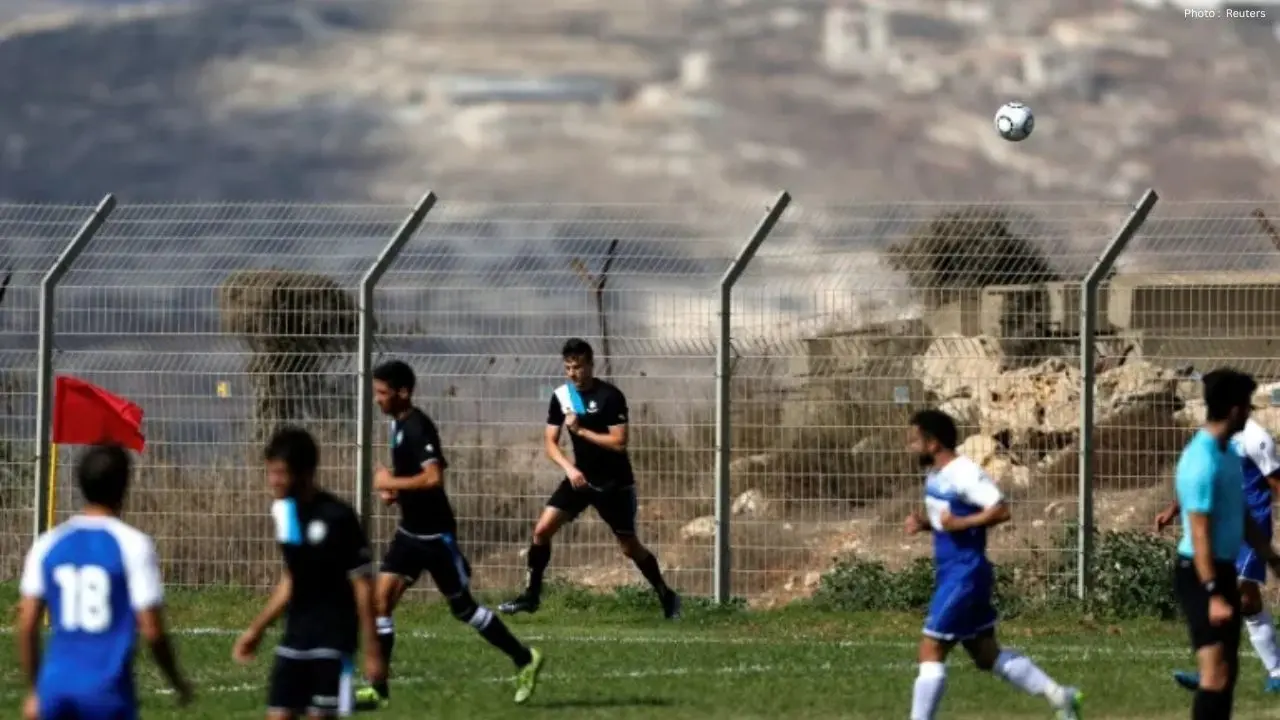
The core of the issue lies in the Palestinian concerns over football operations associated with Israel. This appeal indicates that the dispute transcends mere sports regulations, tapping into larger political and humanitarian issues. By seeking a review from the top sports court, Palestinian football authorities aim for an impartial judgment.
FIFA, tasked with overseeing global football, is meant to uphold fairness and neutrality. However, such cases underscore the complexities involved in that role. When political issues infiltrate the realm of sports, disentangling the two becomes an arduous task.
For many, football represents more than a game; it signifies identity, pride, and community. Consequently, decisions in football resonate deeply, particularly in conflict-affected areas. This ongoing dispute exemplifies the profound sentiments surrounding equity and representation in the arena of international sports.
This appeal also prompts a review of how international sports organizations navigate sensitive matters. They often face pressure to maintain neutrality, yet are simultaneously urged to confront issues of equity and justice. Striking the right balance is a significant challenge.
The role of the top sports court has become vital in these instances. It functions as an independent platform for the review of disputes, grounded in established rules and legal frameworks. The ruling of this case could potentially set a precedent for addressing similar issues in the future.
Broadly, this situation illustrates how sports can mirror real-world conflicts. Although competitions are designed to unite, they can also turn into arenas for expressing discord. This reality reinforces the need for governing bodies to exercise due care and responsibility.
Fans and athletes profoundly feel the impact of such conflicts. They treat sports as a conduit for connection and enjoyment. When disputes pervade this space, it can tarnish the essence of sporting spirit.
The case is now entering the legal arena, where thorough arguments will be scrutinized, leading to a decision. The outcome not only concerns the parties involved but also has the potential to influence the future conduct of international sports organizations in similar situations.
This scenario serves as a poignant reminder that sports are not isolated from societal and global narratives. The approach to resolving such disputes will significantly determine the trajectory of international sports and its capacity to remain equitable and welcoming for everyone.