Photo : X / @BAHeraldcom
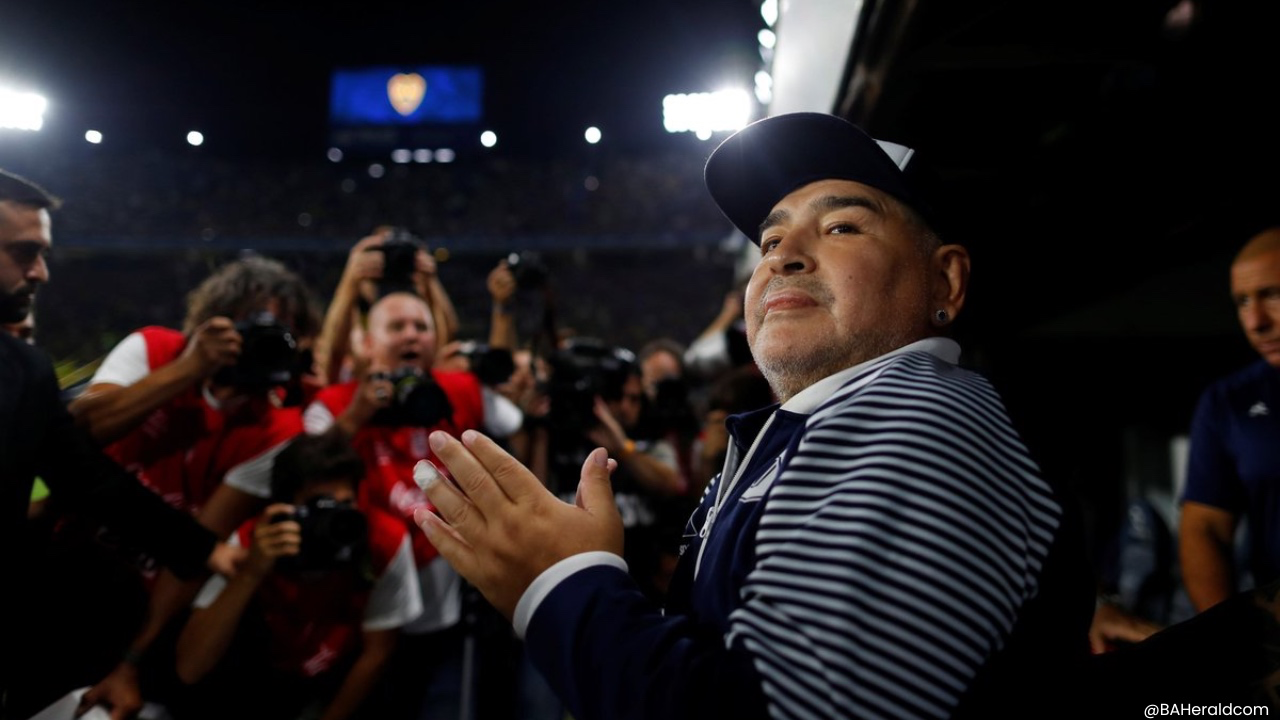
Argentina is once again caught in a whirlwind of emotions as the trial regarding the death of football legend Diego Maradona commences. This is more than just a courtroom proceeding; it embodies the nation's shared sorrow, pride, and relentless pursuit of justice for a beloved figure. As the hearings start anew, focus returns to the circumstances surrounding Maradona’s final days, with the courtroom transforming into a battleground of legacy and accountability.
Maradona, hailed as one of football's greatest talents, passed away in November 2020 due to a heart attack during his recovery from brain surgery at just 60 years old. His death not only shook the world but also sparked immediate scrutiny over his medical treatment. Subsequent investigations unveiled serious concerns regarding whether proper medical protocols were followed, ultimately leading to accusations of negligence against those responsible for his care. A medical board later described the treatment as "inappropriate, deficient, and reckless," prompting a significant outcry for accountability.
This latest trial represents a total restart of legal proceedings after prior hearings were deemed a mistrial due to ethical lapses involving a judge. This unexpected turn delayed justice but also elevated the stakes involved. Now, with fresh judges and strategies in play, the courtroom in San Isidro, near Buenos Aires, anticipates testimony from almost 100 witnesses. They will sift through extensive documentation, including medical files and emotional accounts from family members involved in Maradona's care. The emotional and cultural impact of the trial is undeniable, marking it as a pivotal moment for Argentina.
Seven medical professionals, including doctors and nursing staff, stand accused of negligent homicide. Prosecutors claim their inactions were contributory factors in Maradona's death, painting a stark picture of inadequate home care. Conversely, the defense argues that Maradona's extensive health history made such an outcome unavoidable, regardless of intervention. This ideological battle will shape the narrative of the trial, exploring critical ethical questions about medical responsibility for high-risk patients.
Few modern cases have sparked such intense emotional reactions as this one. In Argentina, Maradona is not merely a football icon but a cultural hero whose legacy is intertwined with the country’s identity. The revival of the case has rekindled widespread public discourse, with fans and legal experts closely tracking developments. Murals and public tributes symbolize the deep connection felt by Argentinians, making this trial as much about reconciliation as it is about legal judgments. Global audiences are also taking note, as the interplay between sports, law, and public emotion breaks boundaries beyond the courtroom.
The implications of the trial extend beyond Argentine borders, raising essential questions about accountability in the realm of high-profile medical cases. As international scrutiny grows, the resolution of this case could reshape how medical negligence is viewed and pursued, specifically involving well-known individuals in various sectors, from healthcare to sports management. This scenario flags the need for high professional standards, risk management, and transparency to foster public trust.
As the proceedings unfold, Argentina stands at a pivotal juncture, balancing the celebration of a sporting icon with confronting the harsh truths about his last days. The trial’s conclusion will determine not just legal culpability but also how Maradona’s legacy will be perceived in the years to come. Whether the court renders closure or ignites further debate, one certainty remains: all eyes will be on this trial, which begs a more profound question beyond football: can justice ever encapsulate the legacy of a legend?