For one unforgettable night, the world seemed to stop breathing at the exact same moment.
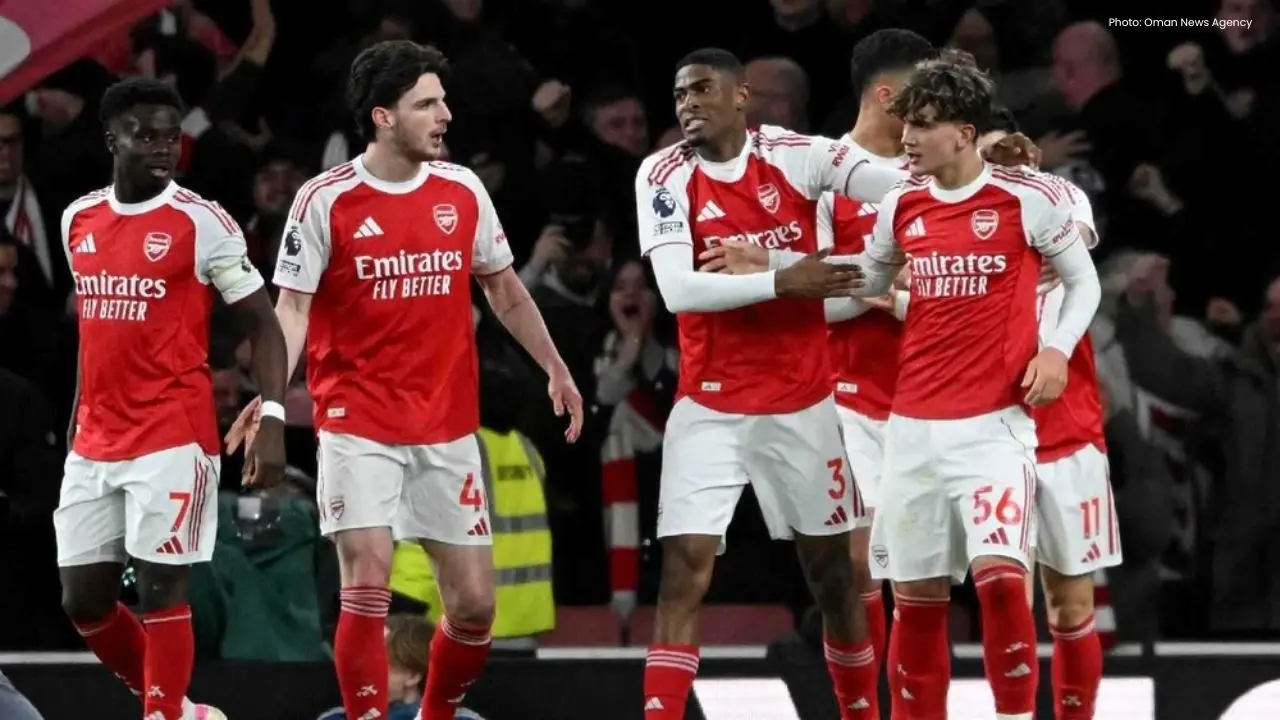
Inside packed stadiums, crowded cafés, family living rooms, and streets overflowing with emotion, millions of football fans watched history unfold together. Some screamed. Some cried. Others simply stood frozen in disbelief as the final whistle confirmed what many thought they might never witness in their lifetime.
A historic football victory had officially been written into sports history.
But while headlines focused on the scoreline, trophies, and statistics, something far deeper was happening beneath the celebration.
Because football has never been just a game.
It is emotion.
Identity.
Memory.
Belonging.
Hope.
And when a historic victory finally arrives, it becomes far more than a sporting achievement.
It becomes a shared emotional moment capable of uniting generations, cities, and even entire nations.
The Moment the World Changed Inside a Stadium
Every historic football victory begins with pressure. Not only pressure on players or coaches, but pressure carried emotionally by millions of supporters who spend years dreaming, suffering, hoping, and waiting. Before the match even started, the atmosphere already felt different.
Fans filled streets wearing team colors hours before kickoff. Restaurants and cafés became emotional gathering spaces. Social media exploded with predictions, nervous excitement, and emotional memories from previous tournaments and heartbreaks. Football has a unique ability to transform ordinary days into emotional events.
Even people who rarely watch sports often become emotionally involved when history feels close. That emotional energy is what makes football unlike almost any other form of entertainment. Because fans do not simply watch football.
They live it.
More Than Players on a Field
One of the most untold truths about football is how deeply supporters emotionally attach themselves to teams. For many fans, football becomes connected to childhood memories, family traditions, friendships, neighborhoods, and personal identity.
A father remembers taking his child to their first match. Friends remember watching finals together for years. Families pass club loyalty through generations almost like inheritance.
This is why victories feel personal. When teams win historic matches, supporters often describe the moment as if something inside their own lives was validated emotionally. Football creates emotional ownership. Fans feel they suffer with the team during difficult seasons and rise emotionally with them during moments of glory.
That connection explains why celebrations after historic victories become so intense. People are not celebrating only a result. They are celebrating years of emotional investment.
The Streets Become Emotional Theaters
As soon as the final whistle confirmed victory, cities transformed instantly.
Car horns echoed through streets. Crowds gathered in public squares. Fans waved flags from rooftops and windows. Complete strangers hugged each other with tears in their eyes.
One of the most beautiful realities about football celebrations is how quickly social barriers disappear.
During these moments:
rich and poor celebrate together,
young and old unite,
different backgrounds suddenly feel connected through the same emotion.
Football creates temporary emotional equality. For a few hours, personal problems pause. Political tensions disappear. Daily stress loses importance. People simply celebrate together. That collective joy explains why historic football victories become cultural memories long after trophies are lifted.
Why Football Victories Feel So Emotional
Many people outside the sports world often wonder why football creates such extreme emotional reactions. The answer is surprisingly psychological. Football compresses uncertainty, hope, fear, loyalty, suspense, and identity into a single experience lasting ninety minutes. Supporters emotionally invest themselves completely while having no control over the outcome.
That emotional helplessness intensifies every moment.
One goal can create euphoria.
One mistake can create heartbreak.
One final whistle can change history forever.
Few experiences in modern life generate emotions this raw and immediate on such a massive global scale.
And perhaps one of the most fascinating untold facts is this:
football often allows people to express emotions they suppress in everyday life.
People cry openly.
Scream freely.
Celebrate loudly.
Hug strangers emotionally.
The game becomes an emotional release.
The Underdog Stories Fans Never Forget
Historic football victories become even more powerful when they involve teams or players who were underestimated. Fans naturally connect with underdog stories because they mirror real human struggles.
A team doubted for years suddenly rises.
A player criticized heavily becomes the hero.
A nation ignored internationally suddenly commands global attention.
These stories emotionally resonate because they represent perseverance. Supporters see themselves inside these moments. The beauty of football is that it constantly reminds people that predictions are not destiny.
A smaller club can defeat giants.
A struggling player can become legendary overnight.
A forgotten team can suddenly inspire the world.
This unpredictability is one reason football remains emotionally addictive. Hope always survives inside the game.
The Silent Pressure Players Carry
While fans celebrate publicly, another untold reality exists behind historic victories:
the enormous psychological pressure players carry silently.
Modern footballers live under extraordinary scrutiny. Millions analyze their performances online. Mistakes spread instantly across social media. Expectations become overwhelming. For some players, one match can define public reputation permanently.
This emotional pressure is rarely visible during broadcasts. Yet historic victories often arrive after years of sacrifice people never fully see: injuries, mental exhaustion, criticism, loneliness, physical pain, and relentless pressure to perform.
That is why many players cry after winning major trophies. The emotions are rarely about one game alone. They are about everything survived to reach that moment.
Social Media Changed Football Celebrations Forever
One major difference between historic football victories today and those from past generations is the role of social media. Celebrations now spread globally within seconds. A goal instantly becomes a viral clip. Fan reactions travel across continents immediately. Players communicate directly with supporters online moments after matches end.
This digital connection intensifies emotional participation. Even supporters thousands of kilometers away feel involved in the celebration in real time. But social media also created new emotional pressures.
Fans now experience football constantly: before matches,during matches, and long after matches end. Victories become larger globally. But defeats also become harder emotionally. Football no longer disappears after the final whistle. The emotional conversation continues nonstop online.
The Economic Impact Nobody Talks About
One untold aspect of historic football victories is their surprising economic influence.
Major wins often boost: tourism, merchandise sales, restaurant business, sports sponsorships, and local economies. Entire cities benefit emotionally and financially from successful football moments.
Hotels fill with traveling supporters. Businesses sell team merchandise rapidly. Public celebrations attract global media attention. Football today is not only cultural. It is also economic power. Some governments and cities invest heavily in football because they understand its ability to influence national image, public morale, and international visibility. A historic victory can reshape how the world emotionally perceives an entire country.
Football and National Identity
For many nations, football carries emotional meaning far beyond sports. International victories often become symbols of pride, resilience, and unity. This becomes especially powerful in countries experiencing political tension, economic struggles, or social divisions.
Football creates moments where millions of people feel emotionally connected through the same identity. Flags appear everywhere. National songs gain emotional meaning. Citizens feel united beyond differences. Even temporary unity can feel incredibly powerful in divided modern societies. That is why football victories often create celebrations unlike any other public event. They allow people to collectively feel hopeful again.
The Beautiful Rituals of Fans
One fascinating untold truth about football fans is how superstitious many become during historic matches. Some supporters wear the same jersey repeatedly for “luck.”
Others refuse to change seats during matches. Many repeat personal rituals they believe help the team somehow. Logically, fans know these rituals do not influence results.
Emotionally, however, football creates deep psychological attachment. These traditions become part of the experience itself. Football is filled with emotional rituals passed between generations. And those rituals make victories feel even more personal.
Why Defeats Make Victories More Powerful
One reason historic football victories create such emotional celebrations is because fans remember every previous heartbreak that came before them. The painful losses. The missed chances.The finals lost in dramatic fashion. The years spent waiting. Without disappointment, victory would not feel as meaningful.
Football teaches supporters emotional endurance. Fans continue believing despite setbacks because hope remains permanently attached to the game. That emotional loyalty is rare in modern life. And when victory finally arrives after years of disappointment, the release becomes unforgettable.
The New Generation of Football Fans
Modern football is also changing rapidly. Younger fans experience the sport differently than previous generations. They consume highlights instantly online. They follow players individually across social media. They engage with football culture globally rather than only locally.
This creates a more connected international football culture than ever before. A teenager in one country can passionately support a club thousands of kilometers away. Football became a global emotional language. And historic victories now create worldwide celebrations rather than purely local ones.
Football’s Unique Ability to Create Memory
One of the most remarkable things about football is how clearly people remember emotional matches. Fans often remember: where they watched, who they were with, what they felt, and how the moment changed emotionally.
Football moments become life memories. People remember championship victories alongside birthdays, weddings, and major life events. Very few forms of entertainment create memories with such emotional intensity. That is why football legends survive across generations. Because people do not simply remember the results. They remember how those moments made them feel.
Why Historic Victories Matter Beyond Sports
Some critics dismiss football as “just a game.” But historic victories reveal something much deeper about humanity. People crave collective emotional experiences. In modern life, many individuals feel isolated, stressed, and emotionally disconnected. Football temporarily changes that. It creates belonging. Shared emotion. Collective identity. Joy experienced together.
These moments remind people that emotional connection still exists in society. That may be one of football’s greatest hidden powers.
A Victory That Becomes Part of History
As celebrations continue across cities, stadiums, and homes, one truth becomes undeniable: historic football victories never truly belong only to players.
They belong to everyone who emotionally carried the dream for years.
The supporters.
The families.
The communities.
The generations who waited patiently through disappointment and hope.
Long after headlines disappear, fans will still remember where they stood when history happened.
Because football is never only about trophies. It is about emotion shared by millions at the exact same moment. And in a world increasingly divided by stress, uncertainty, and digital isolation, perhaps that emotional unity is the real victory people celebrate most.