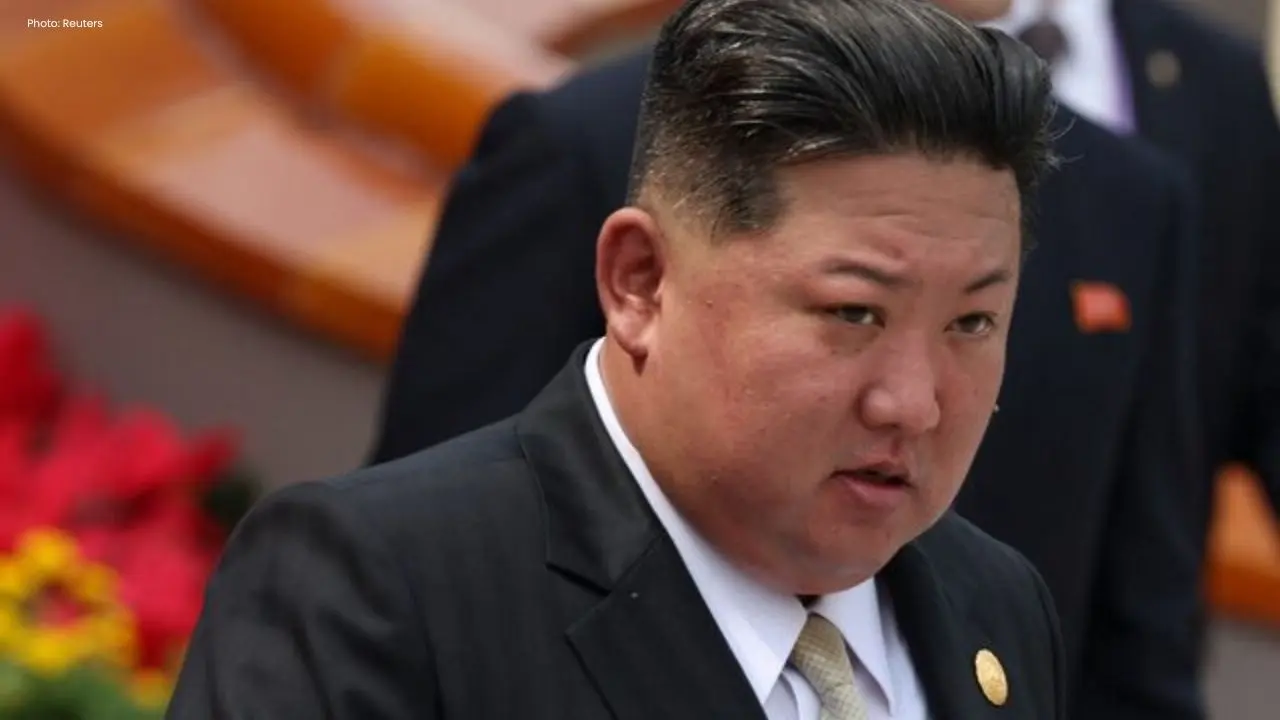
In a significant policy shift, North Korea has adopted a new nuclear strategy that allows for an automatic nuclear strike if leader Kim Jong Un is attacked or incapacitated. This pivotal constitutional amendment was endorsed during the inaugural session of the 15th Supreme People's Assembly in Pyongyang on March 22, prompting fresh worries about escalating military tensions on the Korean Peninsula.
The updated policy serves to reinforce North Korea's nuclear command infrastructure by clearly delineating retaliatory actions in response to threats against its leadership. Although Kim retains his position as the supreme commander of the nation's nuclear arsenal, the newly established provisions indicate that a hostile action endangering the control of nuclear forces would trigger an immediate and automatic nuclear response.
It has been reported that the National Intelligence Service recently informed senior South Korean officials of these constitutional adjustments. Analysts suggest that this new policy emerges from heightened apprehension within North Korea regarding the survival of its leadership amid military threats. This change follows months after alleged high-profile assassinations of Iranian leaders during U.S. and Israeli military operations.
Experts believe recent developments in Iran could have played a role in shaping North Korea's military strategies. Professor Andrei Lankov from Kookmin University posits that although North Korea likely had similar military doctrines in place, the constitutional revision endows this policy with enhanced legal and political significance. Questions surrounding potential "decapitation strikes" against leadership remain at the forefront of Pyongyang's concerns.
North Korea, characterized by its extreme isolation and robust security mechanisms, stands apart from many nations. The movement of foreign visitors, diplomats, and aid workers is tightly controlled and monitored. Consequently, the intelligence operations reported in Iran would face significant hurdles within North Korea, where surveillance capabilities and internet access are severely restricted.
Kim Jong Un is known for implementing highly stringent security measures, typically traveling with a large escort and favoring armored trains over air travel. Analysts express that their primary anxiety lies in satellite tracking technologies and sophisticated military intelligence systems that could scrutinize leadership activities during conflict.
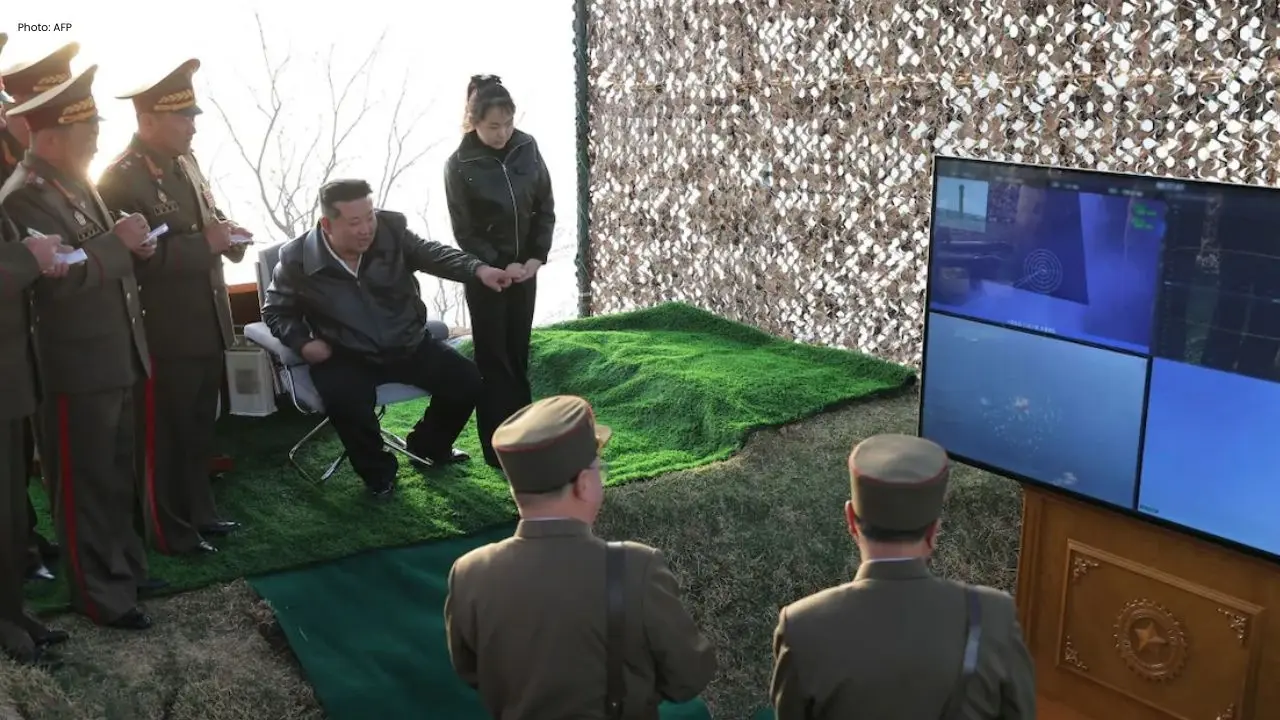
In conjunction with this updated nuclear strategy, North Korea is also preparing to introduce a new long-range artillery system close to the South Korean border later this year. State media reported Kim's inspection of a newly developed 155-millimeter self-propelled gun-howitzer, capable of hitting targets well over 60 kilometers away. Given Seoul's proximity to the border, this new artillery rollout could significantly exacerbate regional security tensions between North and South Korea.