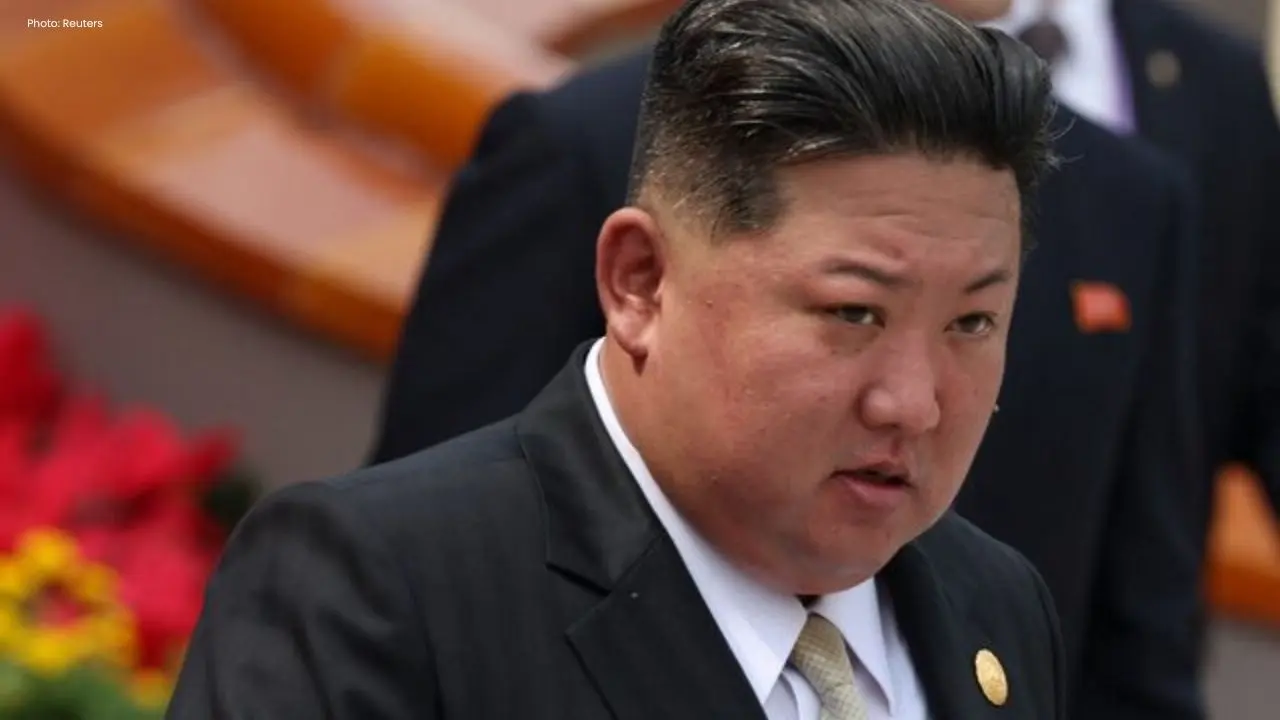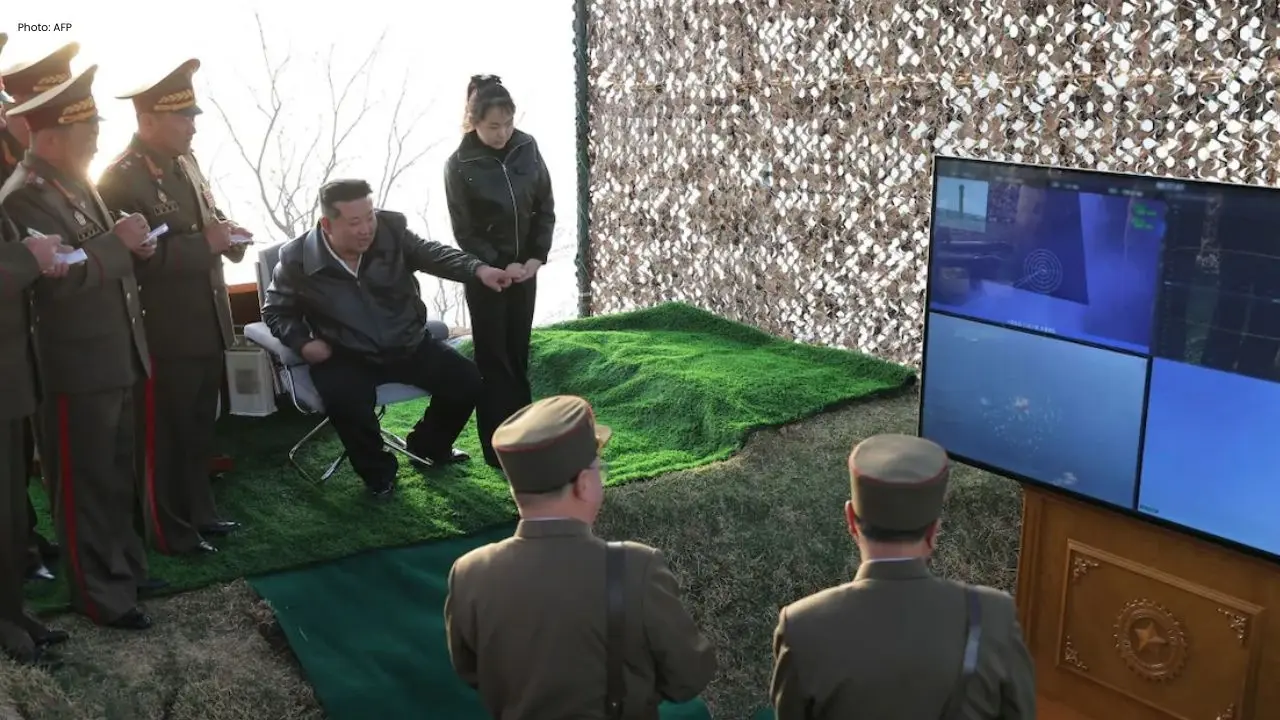
In a striking display of military might, Kim Jong Un directly oversaw a fresh series of ballistic missile tests, accompanied by his daughter, Kim Ju Ae. This event has garnered widespread attention, raising questions about North Korea's military advancements and potential leadership transitions.
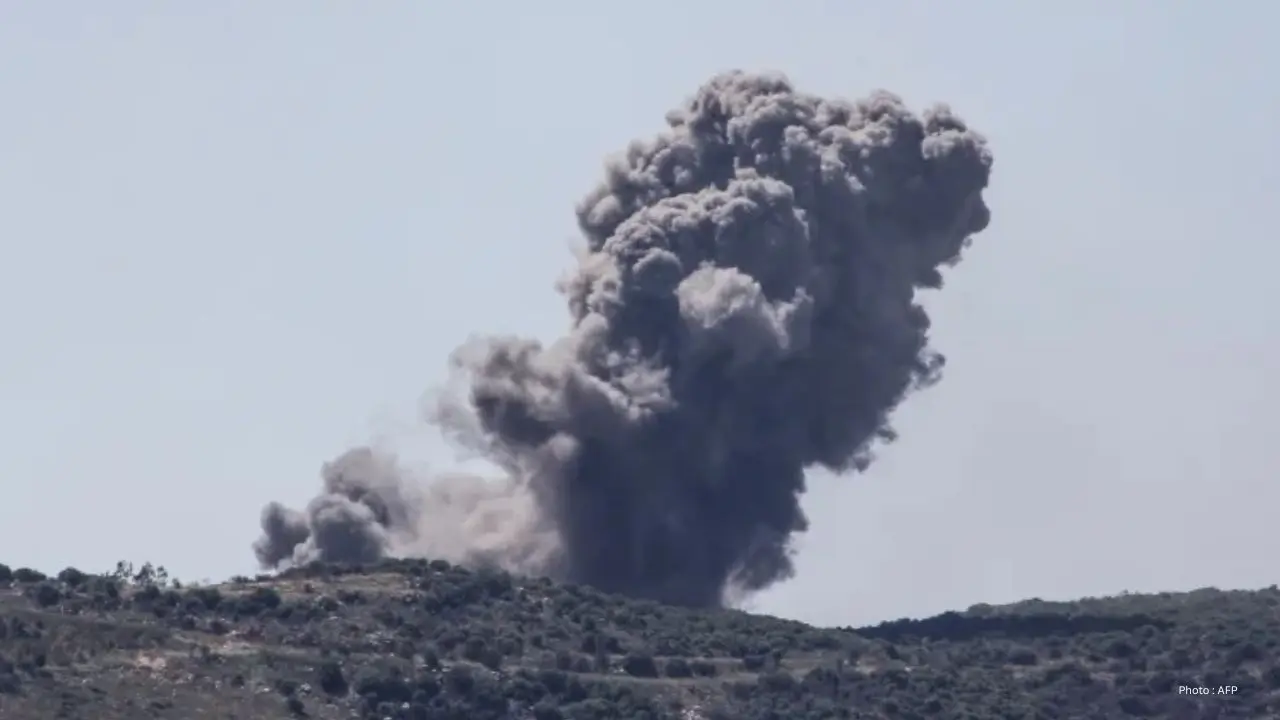
State media reported North Korea launched five advanced Hwasong-11 surface-to-surface ballistic missiles, armed with cluster and fragmentation warheads. The tests took place off the eastern coastline, with the missiles successfully striking specified island targets.
These launches reflect Pyongyang's ongoing commitment to boosting its military capabilities, particularly in countering missile defense systems used by the United States and South Korea. The introduction of cluster warheads, which spread numerous explosives over an extensive area, signals an intent to execute dense and impactful attacks.
Analysts observe that rising global tensions, particularly in West Asia, might be driving North Korea's accelerated arms development. Although similar systems have been tested before, this latest round highlights significant advancements in both range and payload capability.
Kim’s daughter's appearance at the launch site has ignited speculation regarding her increasing role within the regime. South Korean intelligence has suggested she may be poised as a potential successor, though no formal acknowledgment of this has been made.
Following the breakdown of nuclear talks with the United States in 2019, North Korea continues to expand its arms program. This involves developing advanced missile technologies, including hypersonic and submarine-launched systems, aimed at reinforcing strategic deterrence.
These recent tests emerge against a backdrop of geopolitical uncertainty, with experts positing that such shows of force aim to strengthen North Korea's position in any upcoming diplomatic negotiations with major world powers.