A new Ebola outbreak has emerged in the Democratic Republic of Congo, prompting immediate actions from health officials. This incident has been confirmed in Ituri province, a region plagued by years of conflict, inadequate healthcare facilities, and humanitarian crises.
Authorities report multiple fatalities, with many others exhibiting symptoms consistent with the virus. Health teams are actively working to trace contacts, isolate those affected, and curb further spread. The local population is understandably alarmed, given Ebola's rapid transmission and deadly potential if not managed effectively.
The Ebola virus transmits through direct contact with the bodily fluids of infected individuals. Symptoms to watch for include high fever, lethargy, vomiting, hemorrhaging, and severe physical discomfort. In the absence of appropriate medical intervention, the disease can escalate to life-threatening levels within days.
This outbreak is particularly concerning as it occurs in an area already suffering from fragile healthcare systems. Numerous villages in eastern Congo struggle with insufficient medical facilities, treacherous road conditions, and a lack of trained healthcare personnel. Ongoing armed conflicts have further complicated the efforts of emergency responders to reach affected areas promptly.
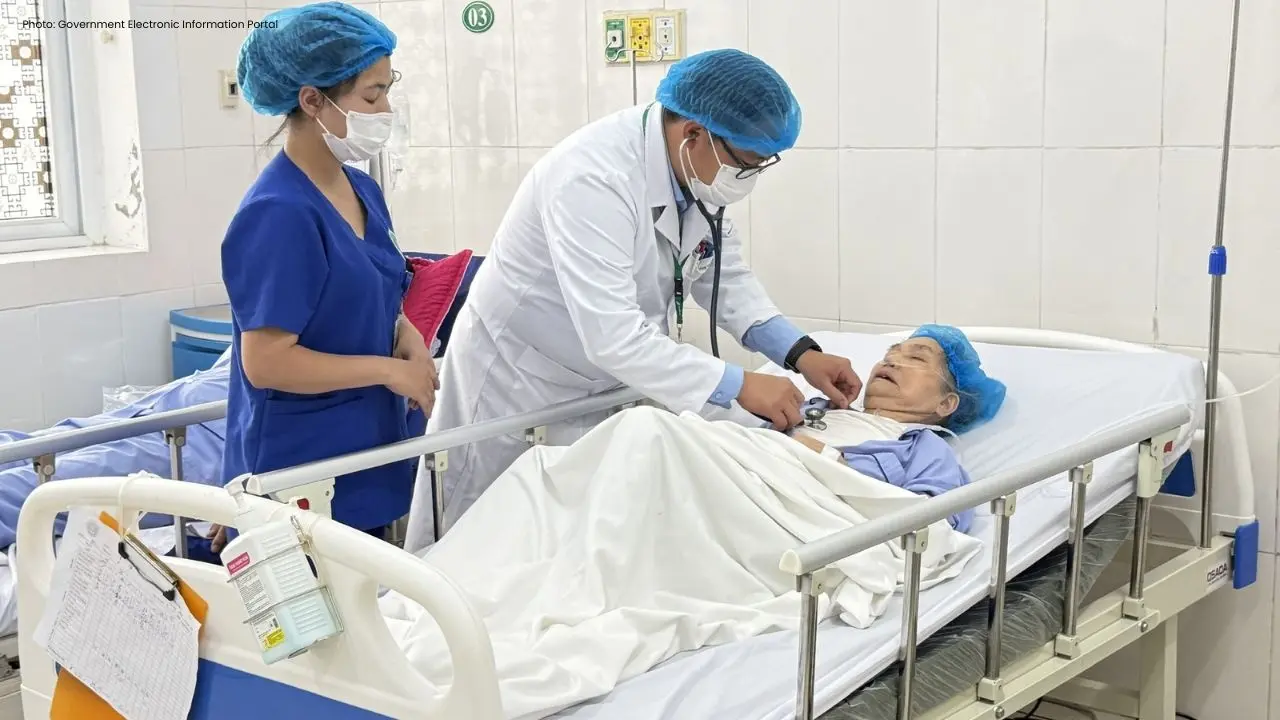
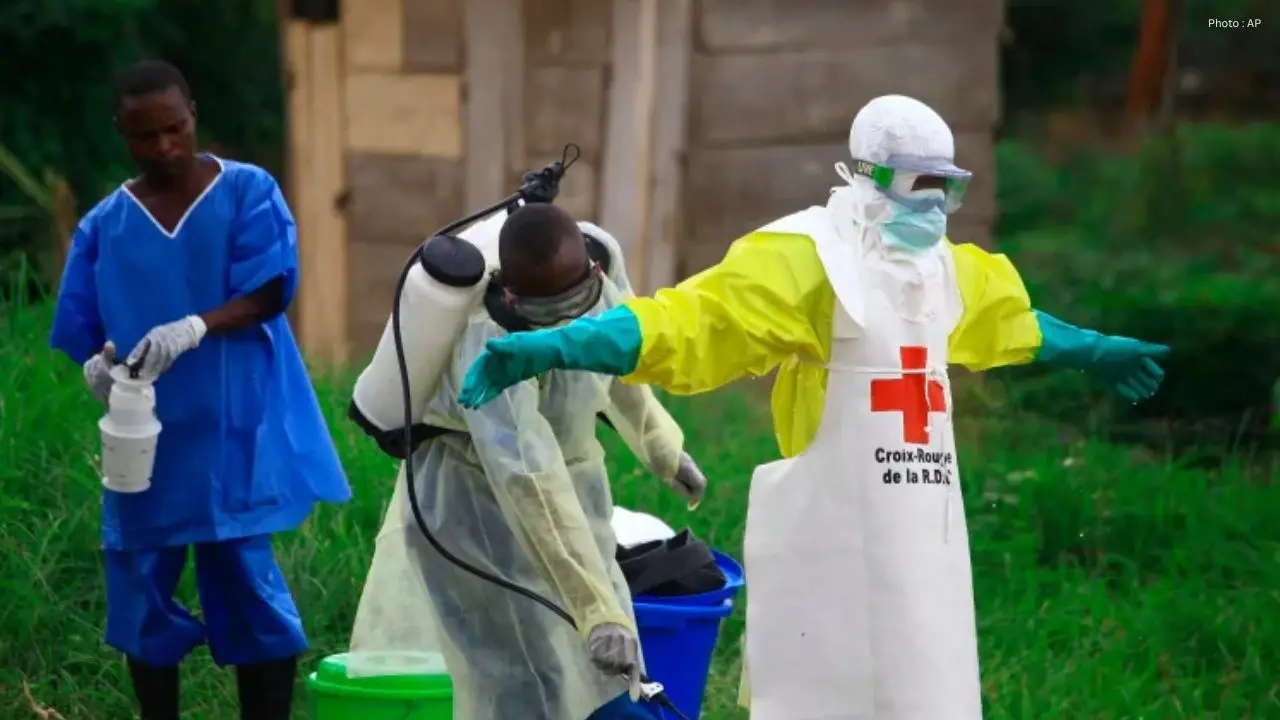
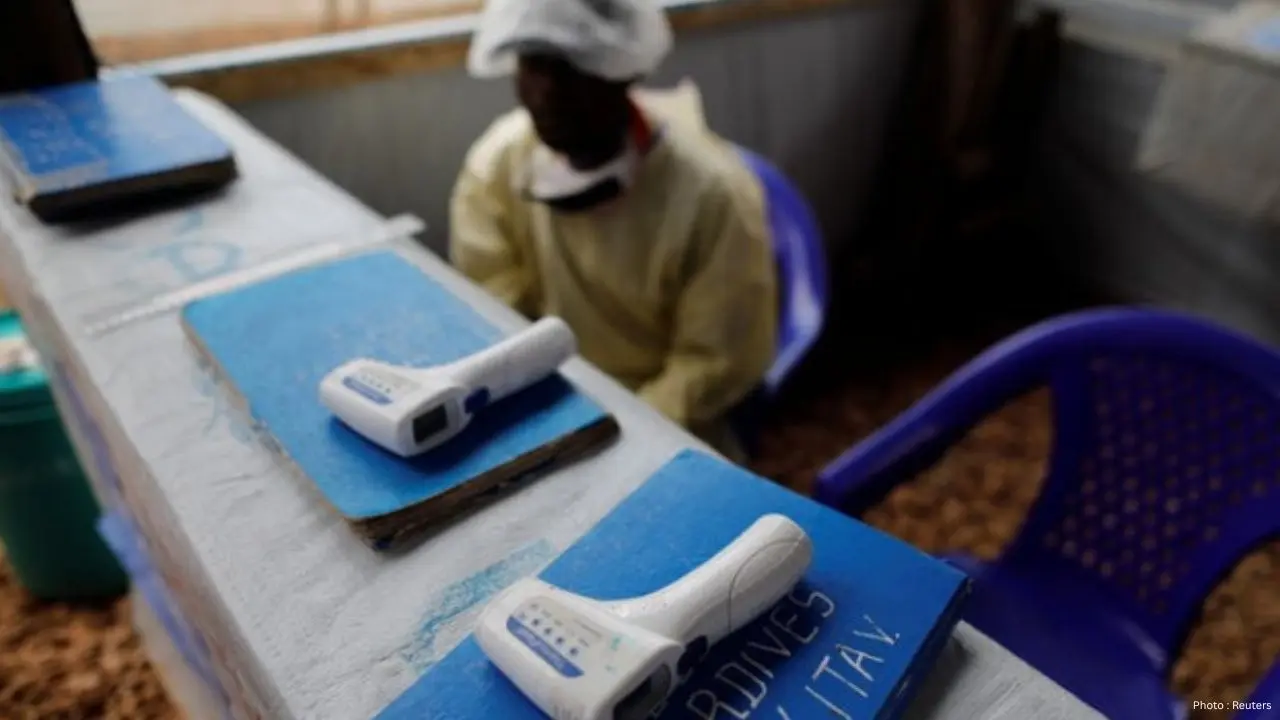
In response, health authorities have initiated emergency protocols to manage the outbreak. Medical teams are evaluating suspected cases, observing individuals who may have been exposed, and promoting awareness about preventive measures. Officials urge residents to refrain from close contact with those who show symptoms and to report any signs of illness promptly.
Nearby nations are on high alert due to the risk of cross-border transmission. Enhanced border security and health screenings are being implemented to avert the spread of the virus into neighboring territories. Global health organizations are also lending support by supplying medical resources, funding, and emergency personnel.
The DRC has faced numerous Ebola outbreaks in recent history, and although the country has gained valuable experience in managing these crises, each new situation presents significant challenges. Poor living conditions, displacement, and inadequate healthcare capabilities complicate disease management in many regions.
This latest outbreak underscores the vital need for robust healthcare infrastructures and swift international collaboration. Diseases such as Ebola do not respect geographical boundaries if prompt action is not prioritized. Quick medical intervention, community engagement, and heightened public awareness are crucial for limiting further transmission.
Families residing in the affected zones are again engulfed in fear and uncertainty. Concerns over losing loved ones or facing yet another health disaster loom large after prolonged struggles.
The upcoming weeks will be pivotal for public health officials in Congo. If swift containment measures are implemented, the outbreak could be stabilized before wider transmission occurs. However, any delay in response could increase the threat level for the entire region.