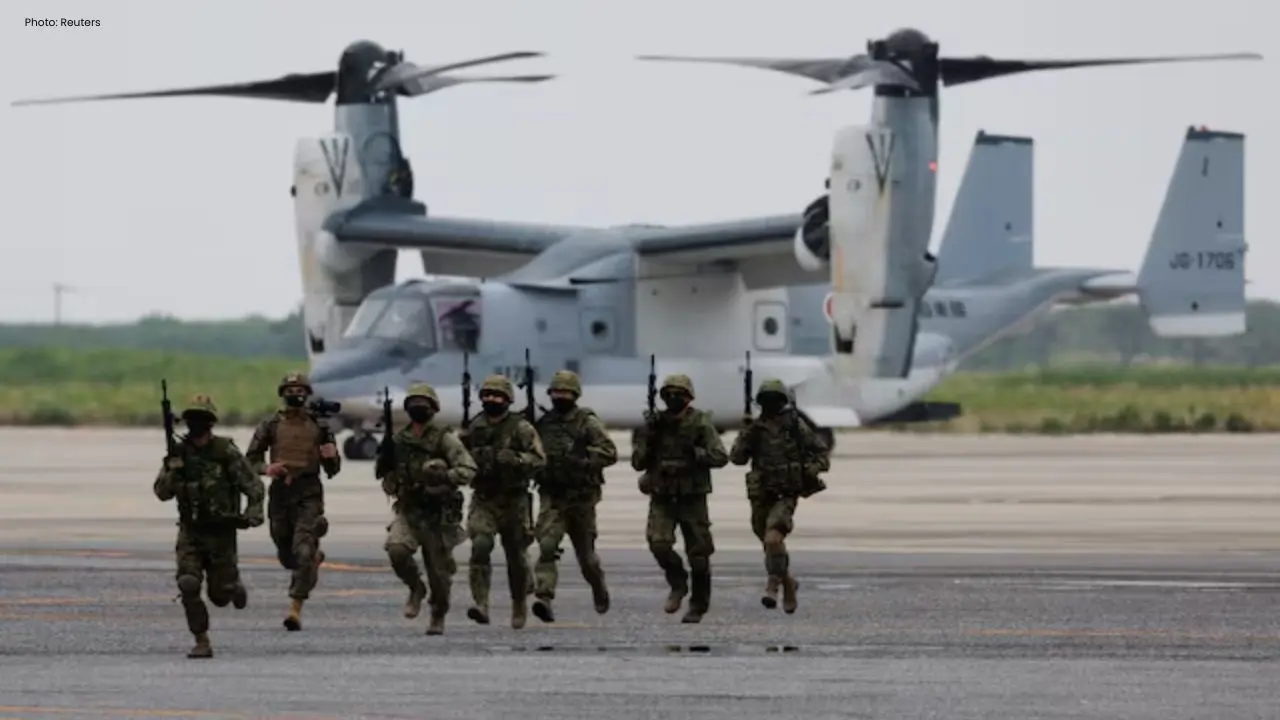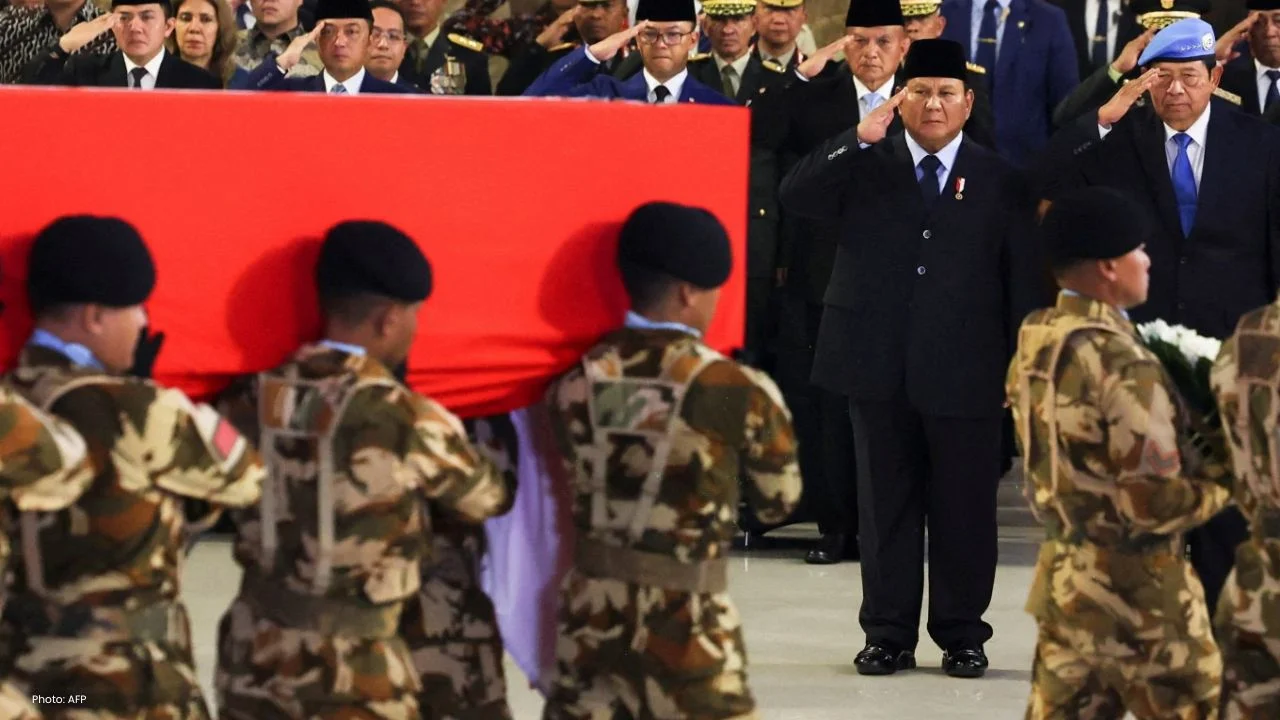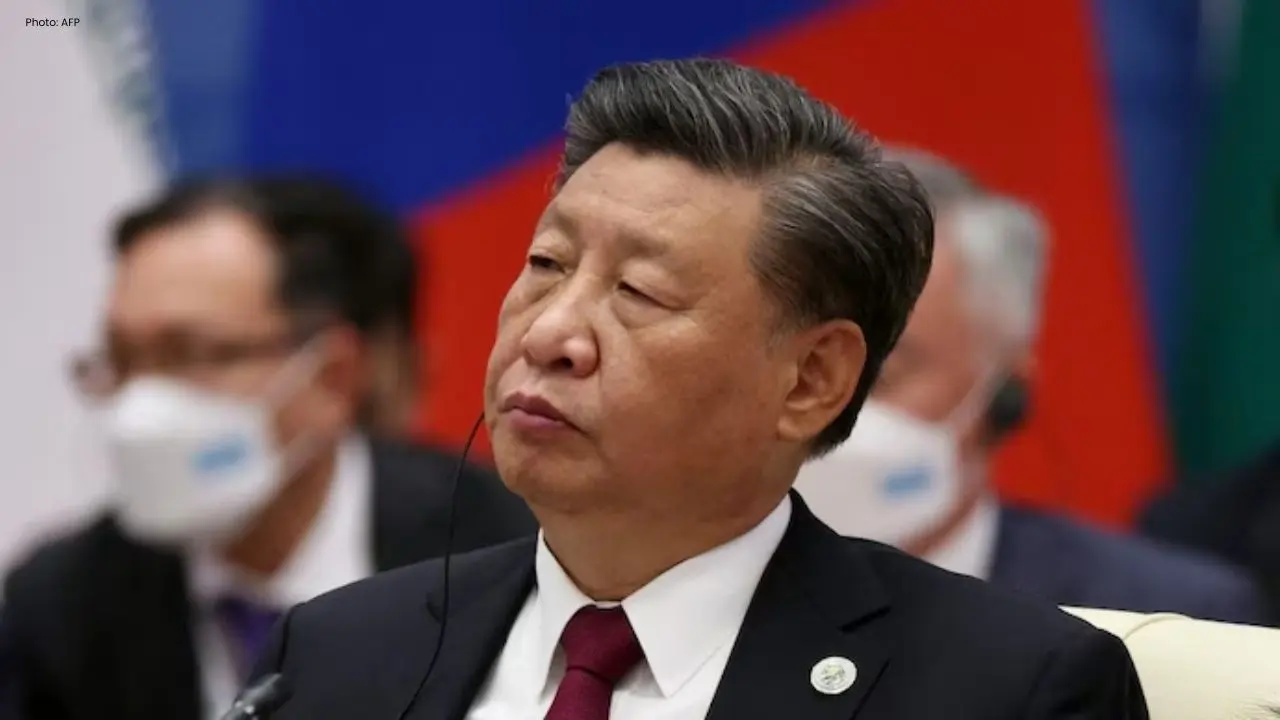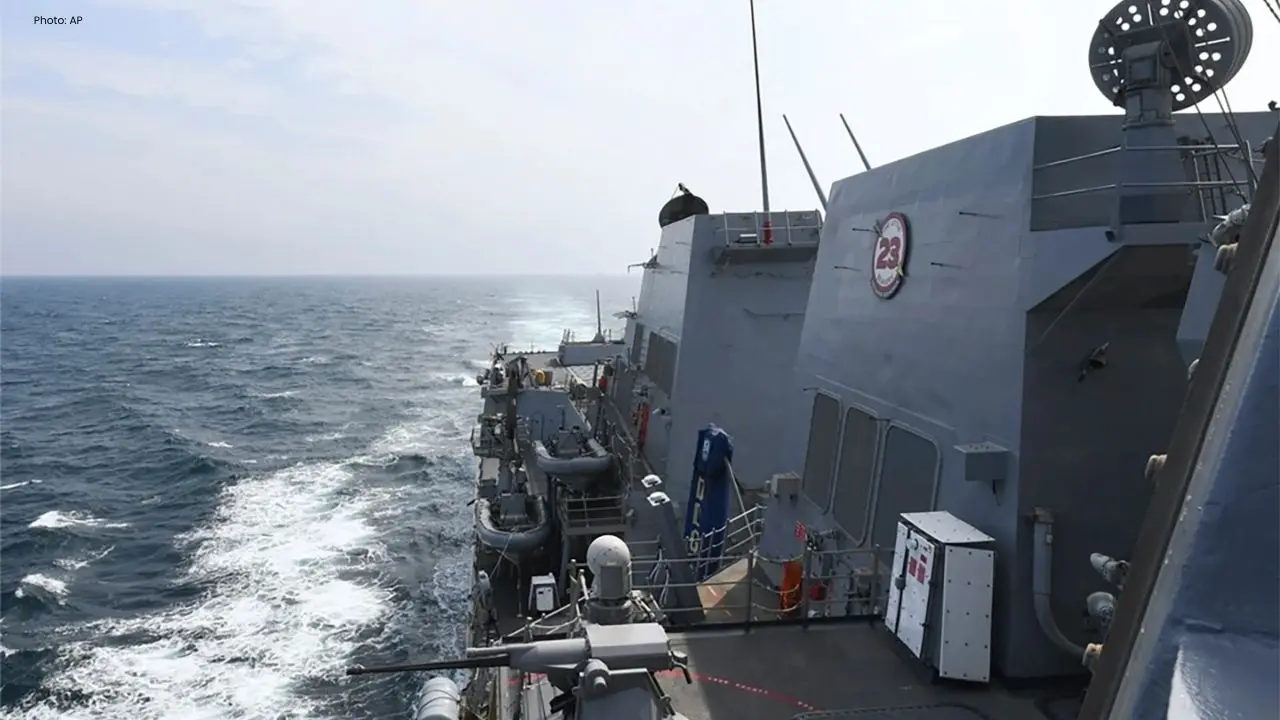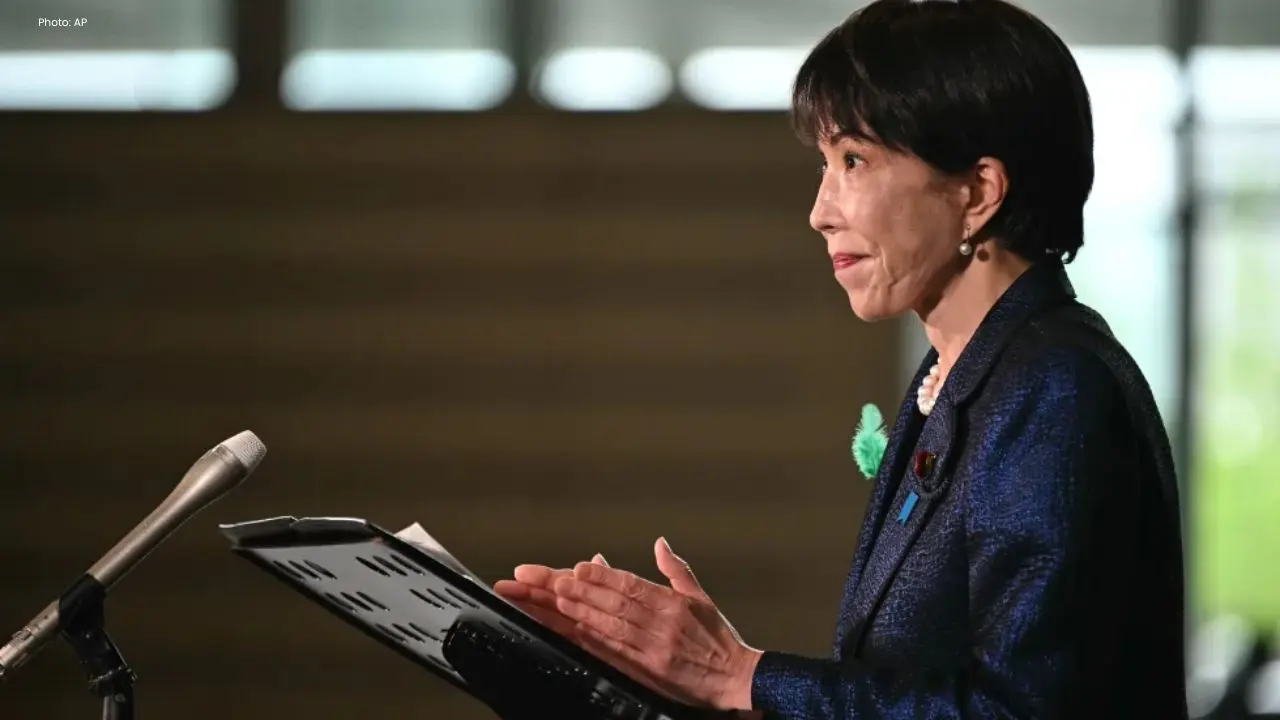
Japanese Prime Minister Sanae Takaichi has initiated a comprehensive review of the nation’s defence policies, spurred by escalating threats from military activities in China, North Korea, and Russia.
A specialized 15-member panel has been formed, bringing together experts in various fields, including diplomacy and defence. Their task is to analyze the current security framework and propose enhancements to bolster Japan's military readiness against emerging global challenges.
Takaichi highlighted the substantial shifts in the international security landscape, declaring that the post-Cold War order is increasingly unreliable. She advocates that Japan must evolve to face an unpredictable global arena.
The focus of the review will pivot toward adapting to modern warfare, emphasizing advanced technologies like drones. The authorities believe future conflicts may be prolonged and intricate, necessitating improved defence capabilities and strategic foresight.
In a significant turn, Japan has lifted restrictions on lethal weapon exports, a move intended to enhance its defence sector and deepen ties with allies, particularly the United States. This decision, however, has drawn backlash from pacifist factions domestically and concerns from China.
Furthermore, Japan aims to elevate its defence spending to 2 percent of GDP by 2027, approximately 43 trillion yen. The target was reached sooner than anticipated, prompting the new panel to evaluate the necessity for additional funding increases.
Analysts note that this review signifies a pivotal change in Japan's post-war defence philosophy. As global tensions rise, the nation is transitioning towards a more proactive and robust military role to safeguard its national security and ensure regional stability.