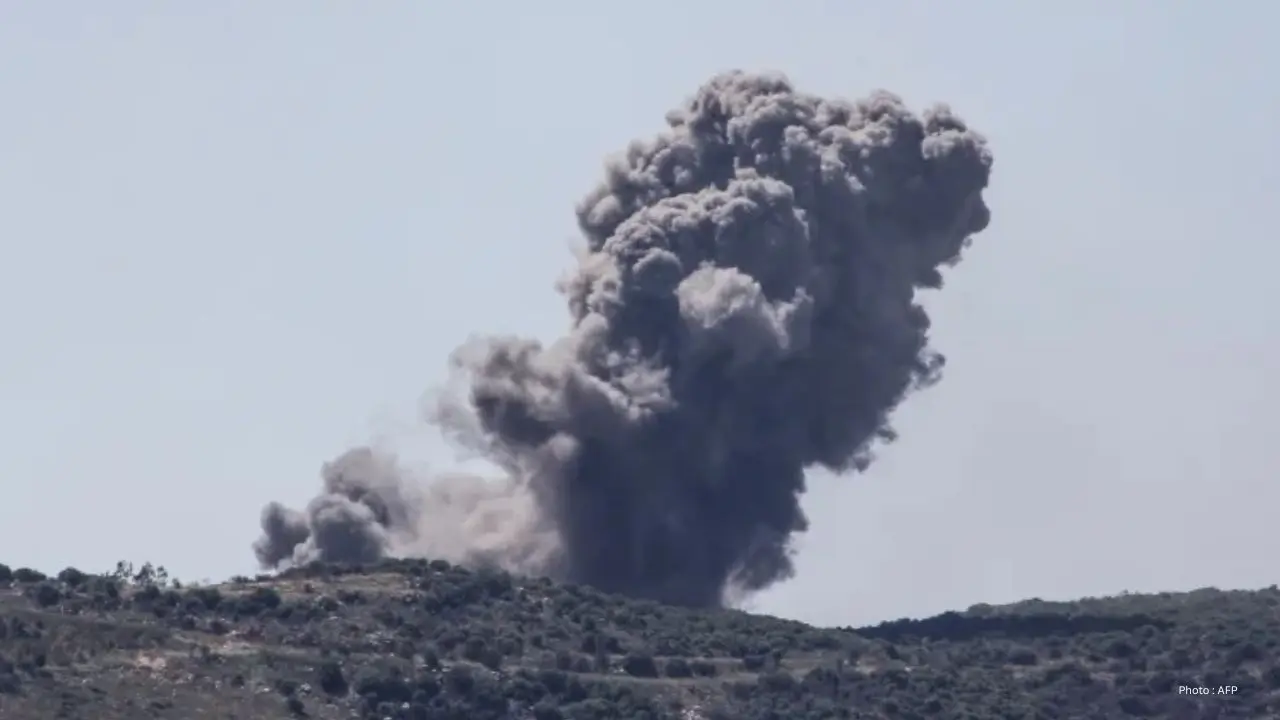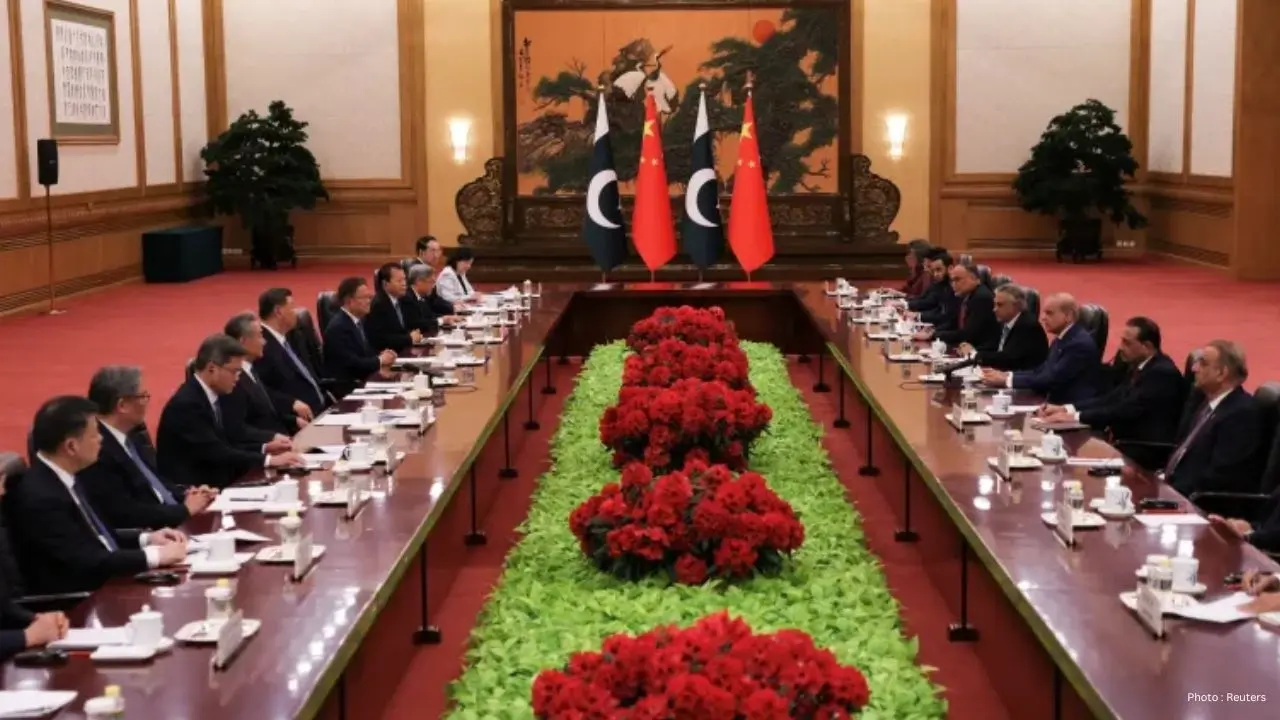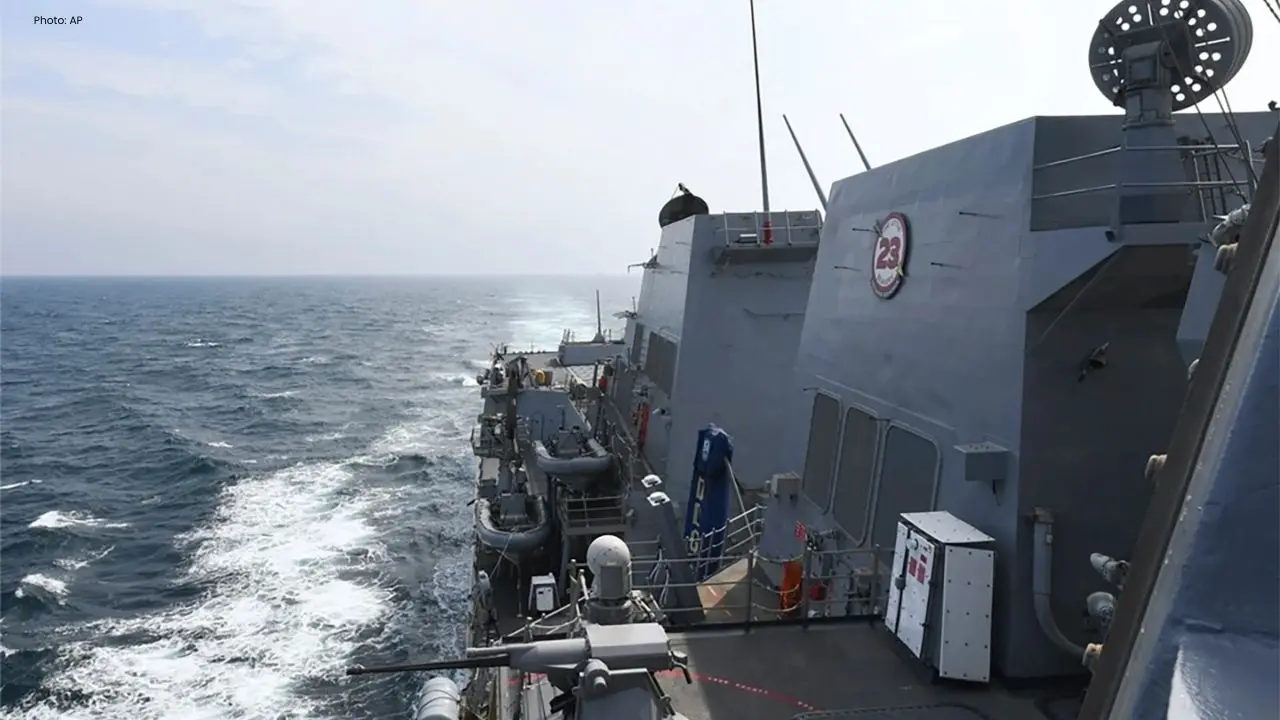
The ongoing conflict in Iran is increasingly causing the United States to redirect its military focus away from Asia, raising alarms ahead of the pivotal meeting between Donald Trump and Xi Jinping. Experts express concerns that this shift could endanger Washington’s long-term plans in the Indo-Pacific.
Initially designed to counteract China’s rising influence, the U.S. strategy to pivot towards Asia has repeatedly stumbled over the years. Currently, the demands stemming from the Iran situation have caused another significant shift of military resources back to the Middle East.
As a result, delays in President Trump’s much-anticipated visit to China have surfaced, sparking worries among analysts that inadequate preparation may undermine U.S. leverage in forthcoming discussions about trade and security.
Critics warn that this renewed emphasis on the Middle East may inadvertently strengthen China’s position, particularly in sensitive matters such as Taiwan. Any perceived decline in U.S. deterrence in Asia could contribute to heightened regional instability.
Conversely, some administration officials defend the strategy, arguing that addressing conflicts in places like Iran is a component of a broader initiative to indirectly mitigate China’s expanding influence globally.
The conflict has also yielded immediate military implications, as reports indicate that significant U.S. assets have been reallocated from Asia to the Middle East, including missile defense systems and rapid-response units, which raises concerns among American allies in the region.
Experts warn that a prolonged conflict may further deplete U.S. military resources and delay arms deliveries to allies. As tensions escalate across various regions, balancing commitments between the Middle East and Asia presents a substantial strategic challenge for Washington.