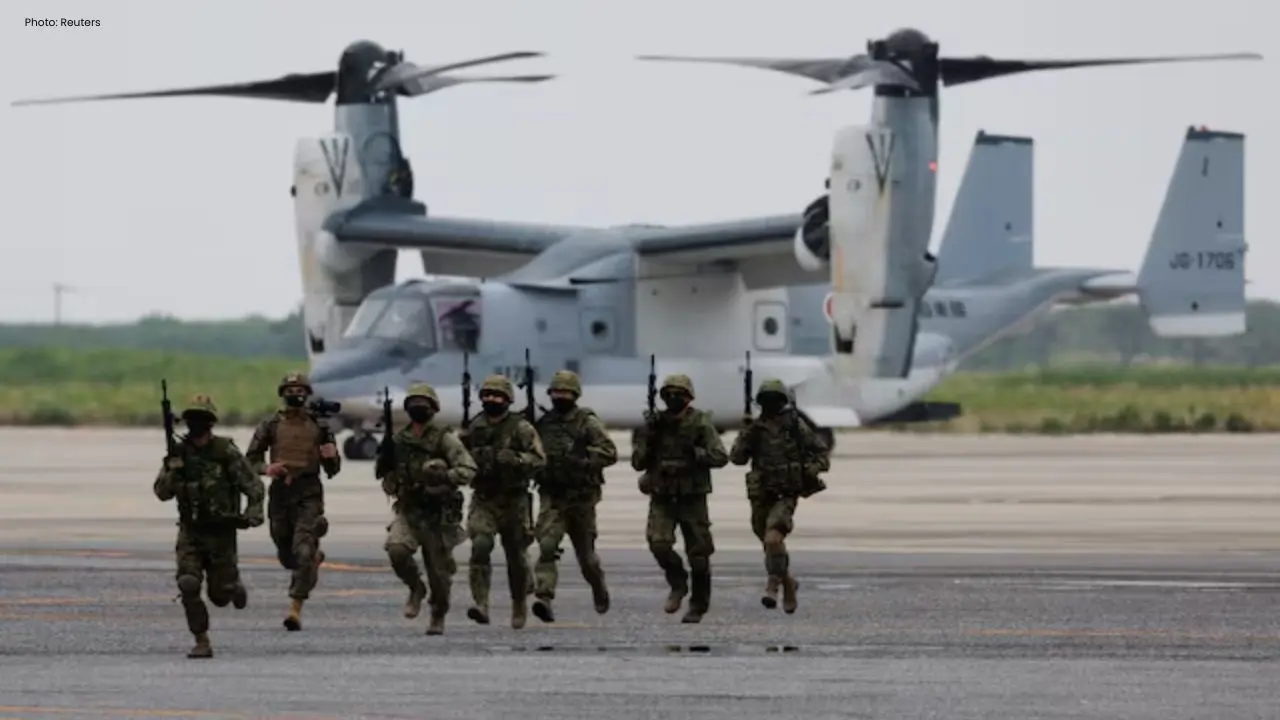
In an unprecedented pivot, Germany and Japan are critically re-evaluating their defence strategies, marking what experts consider the most significant shift in military policy since World War II. Historically committed to pacifism, both nations are now leaning towards a more proactive security posture in response to a rapidly changing geopolitical landscape.
Post-World War II, the military growth of Germany and Japan was tightly controlled, as they prioritized economic stability and global commerce. Their security framework primarily relied on alliances, notably with the United States, which has permitted both countries to focus on economic recovery rather than military expansion.
However, the international security climate has notably shifted over recent years. The rise of geopolitical conflicts and evolving threats have highlighted shortcomings in their previous strategies. Consequently, both nations are now realizing that depending solely on external security guarantees is insufficient for ensuring stability.
Germany is leading this transformation with a commitment to upgrading its military capabilities, aiming to cultivate one of Europe’s most advanced armed forces. This initiative seeks to position Germany as a critical component of regional security in response to emerging threats.
A pivotal element of Germany’s reform is its adherence to NATO’s directive of allocating a minimum of 2 percent of its GDP toward defense spending. This financial commitment paves the way for substantial military modernization, enhancing technological prowess, operational efficiency, and overall readiness of the armed forces.
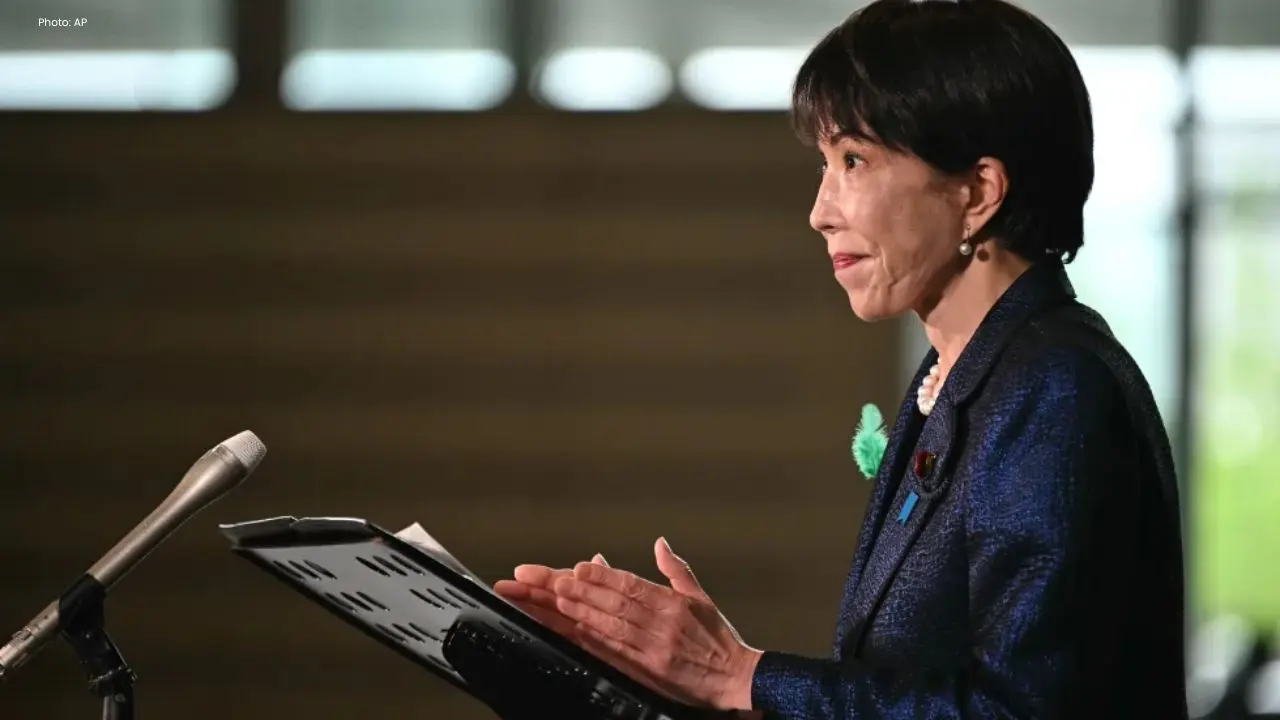
Meanwhile, Japan is embarking on a historic policy transformation by overturning its ban on lethal arms exports, signifying a shift from its long-standing pacifist approach. This new policy facilitates a proactive role in the global defense landscape and fosters closer cooperation with allies.
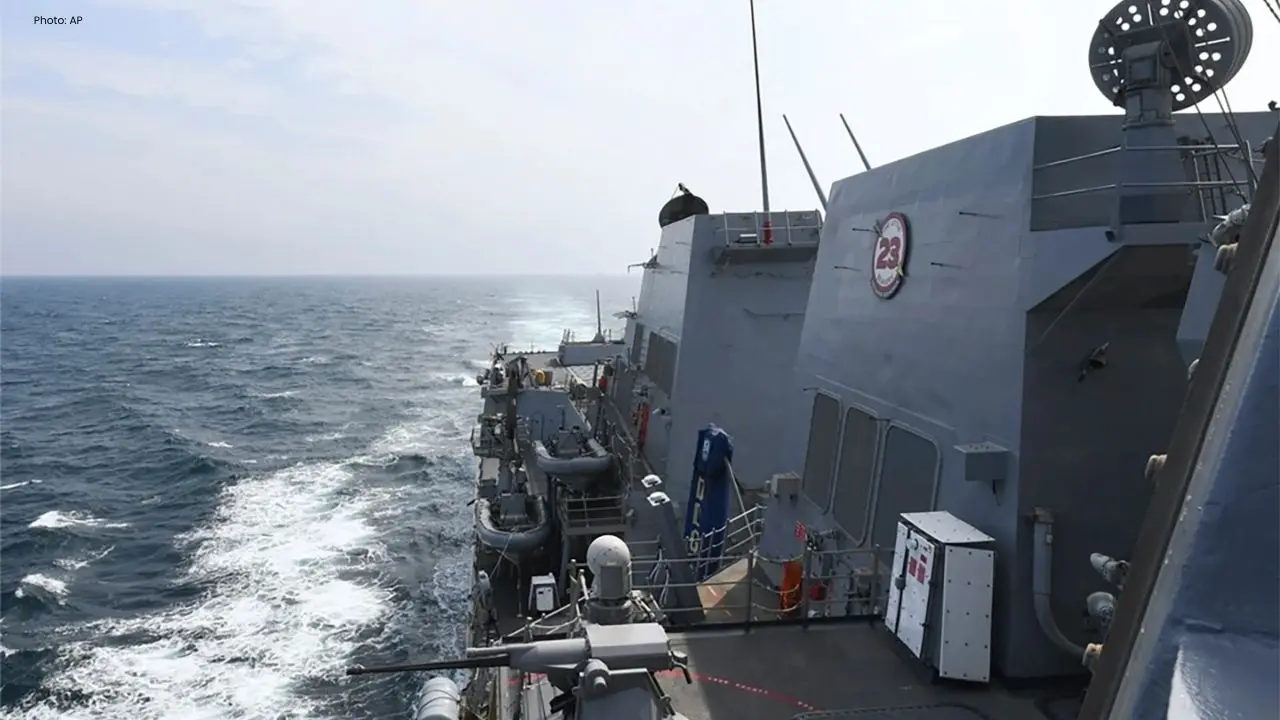
Japan is also ramping up its defence budget and cultivating advanced military capabilities, including counterstrike options, largely motivated by escalating security threats from China and North Korea in the Indo-Pacific region. The nation is pursuing collaborative defense initiatives with allies, improving its strategic posture.
Amid these developments, the role of the United States is gradually shifting. While it continues to hold considerable military strength, the U.S. is advocating for its allies to undertake greater defence responsibilities, reflecting both strategic adjustments and domestic priorities, thereby prompting countries like Germany and Japan to elevate their military readiness.
The increasing military development of Germany and Japan is altering the global power dynamics. Although these initiatives aim to enhance national and regional security, they also raise concerns regarding potential escalations and military tension, particularly in sensitive regions such as Europe and East Asia, signifying a transition towards a complex, multipolar global order.